



















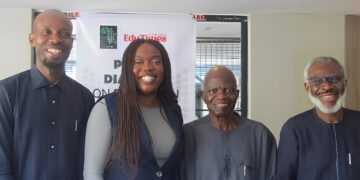



































Scholars and researchers have called on Nigerian students and young academics to harness technology to promote African knowledge systems and reshape how research and learning are produced on the continent.
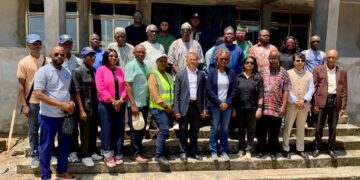
The call was made during the inaugural digital humanities workshop organised by the Graduate Research Clinic, which brought together scholars from the University of Kansas, University of Lagos and University of Ibadan.
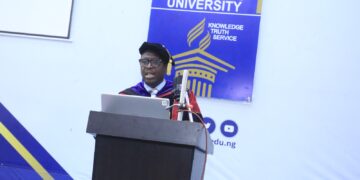
The workshop was chaired by Professor of African Languages, Francis Egbokhare, who emphasised the importance of using Nigeria’s cultural heritage to shape the country’s digital future.
According to him, local languages, cultural practices and indigenous knowledge systems should play a central role in how technology is developed and used in Nigeria.

“We must tap into our cultural heritage and utilise our local languages and knowledge systems to drive progress in the digital space,” he said.
Also speaking, Tunde Ope-Davies, founder of the Digital Humanities Centre at the University of Lagos, challenged academics and researchers to adapt digital tools to reflect African realities.
“We must ensure that our digital tools are not mere imports but are instead designed to address our specific needs and contexts,” he said.
During the workshop, James Yeku of the University of Kansas demonstrated computational text analysis and digital mapping, encouraging scholars to adopt what he described as a “minimal computing” approach suited to Nigeria’s resource limitations.
He explained that digital research tools should be practical, affordable and sustainable for institutions in developing countries.
The event also highlighted the role of young researchers in expanding knowledge through digital platforms.
Doctoral researcher Abisola Akinsiku showcased how she uses social media to promote academic knowledge through her TikTok-based initiative, Creative Climb, which shares research insights with wider audiences.
According to her, digital platforms offer opportunities for students and scholars to share ideas, collaborate and reach audiences beyond traditional classrooms.
“Digital platforms offer immense potential for knowledge sharing and collaboration, and we must harness this potential to democratise education,” she said.
The organisers stressed that Nigerian scholars and students must take an active role in shaping the future of digital knowledge globally.
As part of its plans, the Graduate Research Clinic unveiled a roadmap to strengthen digital humanities research in Nigeria, including a six-month fellowship programme, bi-monthly workshops, and grant-writing initiatives to help scholars secure funding.
Executive Director of the organisation, Oluwatobiloba Adewunmi, said the initiative aims to build the capacity of graduate students and early-career researchers across Nigerian universities.
He added that the programmes are part of the HOPE-EDU initiative, which focuses on supporting research projects through a performance-based funding model tied to measurable outcomes.












 EduTimes Africa, a product of Education Times Africa, is a magazine publication that aims to lend its support to close the yawning gap in Africa's educational development.