
























































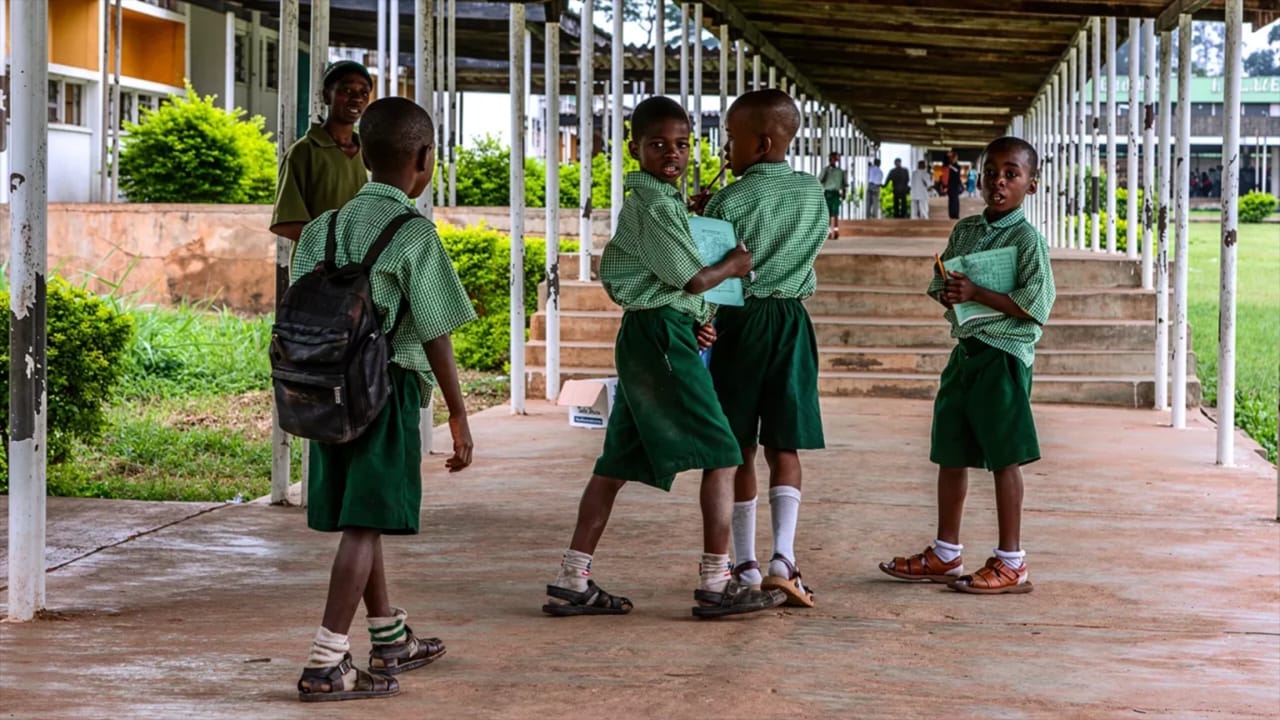


Stakeholders across the education and security sectors have renewed calls for stronger protection of schools, citing increasing attacks on learning environments and the risks posed to students’ safety and future.
The call was made at a Peace and Security Summit organised by the National Association of University Students in Abuja, where security experts, government officials, lawmakers, legal practitioners, and students gathered to discuss solutions.

Senior Advocate of Nigeria, Jibrin Samuel Okutepa, linked the country’s insecurity to the absence of economic justice and failure of leadership, noting that schools have become easy targets for attacks.
He questioned why criminal groups continue to operate freely and suggested that developing areas such as the Sambisa Forest into economic or tourism zones could reduce insecurity.

Okutepa also criticised poor management of public resources and urged young Nigerians to demand accountability from leaders.
NAUS National Vice President (North-Central), Blessing Henry, raised concerns over frequent attacks and abductions of students, calling for urgent government intervention.
“We need a safe learning environment. Government must intervene. We need more security on our campuses,” she said.
She added that the association is collaborating with international organisations to establish peace and safety clubs in universities, alongside civic and emergency helplines.
Representing the Commandant of the Nigeria Security and Civil Defence Corps, Boniface Odeh assured stakeholders that the Safe School Initiative has been expanded to improve response time to incidents.
“Security has gone beyond physical presence. If anything happens in any school, it takes less than 15 minutes for our operatives to move in,” he said.
Also speaking, a member of the House of Representatives, Ishaya Lalu, expressed concern over continued killings in his constituency and urged young people to participate actively in governance.
The summit ended with a joint call on the Federal Government, security agencies, and state authorities to strengthen school security, improve intelligence gathering, address the root causes of insecurity, and ensure justice for victims.
Participants also stressed the need to involve young people in policymaking as part of efforts to achieve lasting peace.
— TheGuardian














 EduTimes Africa, a product of Education Times Africa, is a magazine publication that aims to lend its support to close the yawning gap in Africa's educational development.