

















































For many young Nigerians building their lives around the internet, apps, and digital platforms, one big question keeps coming up: who really controls the technology shaping our future?
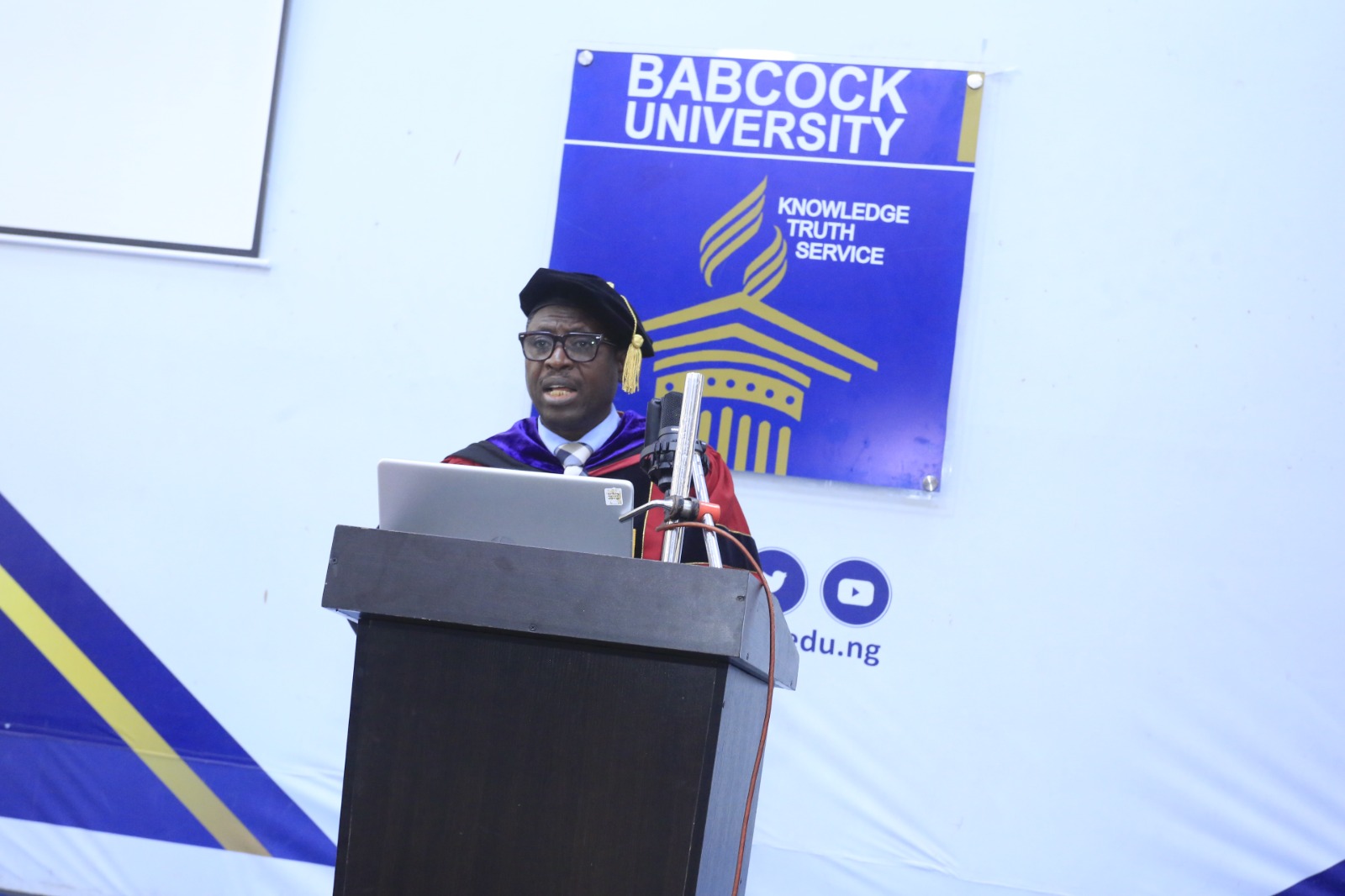
At Babcock University, Professor Olubikola Olugasa believes the answer lies in something many people rarely talk about — strong laws that keep technology responsible.
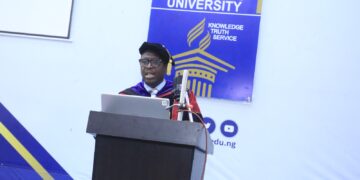
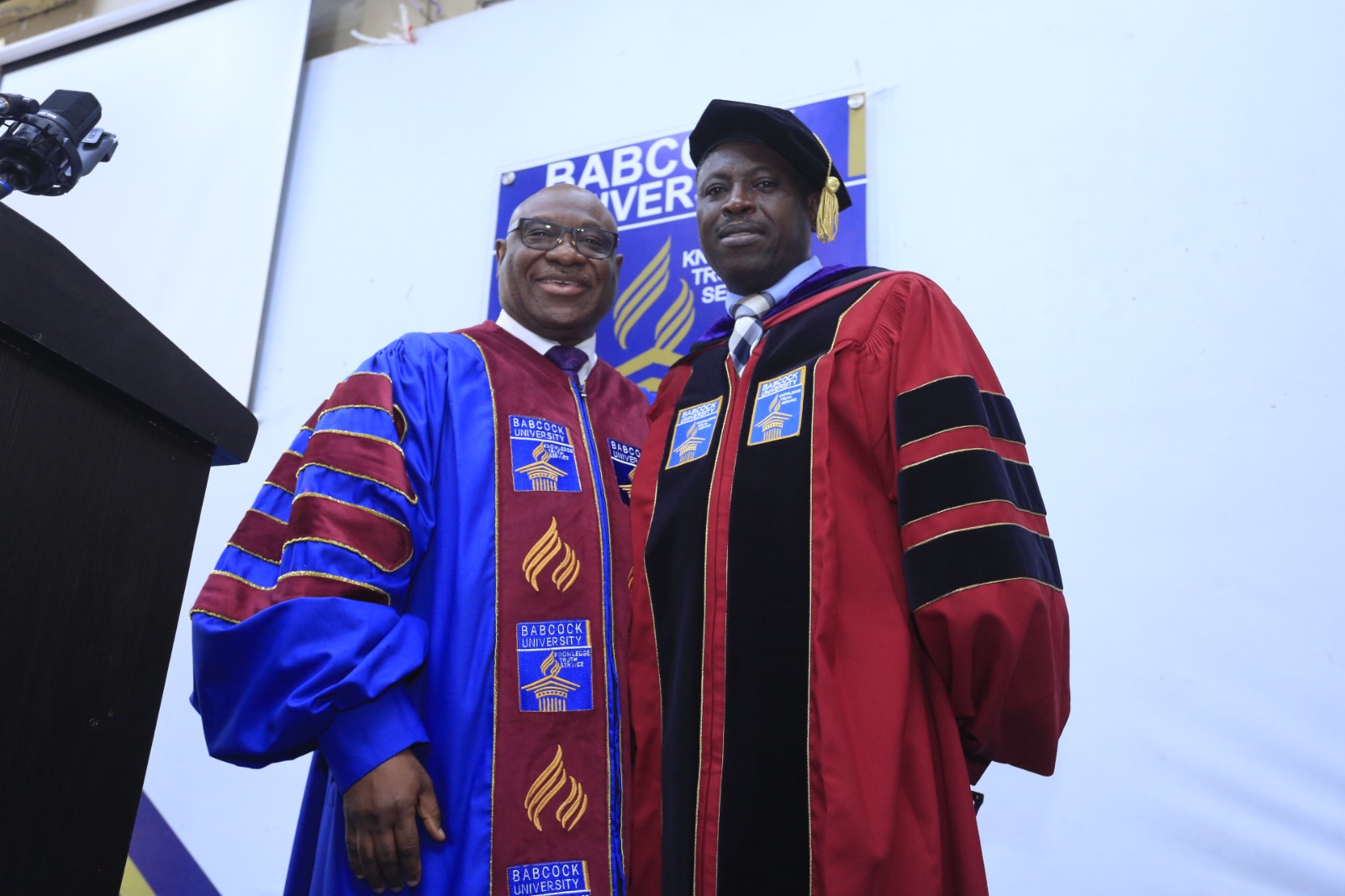
Speaking during the university’s 59th inaugural lecture, titled “The Quest for Return to Eden: Balancing Technological Acceleration with Legal Safeguards for Long-term Societal Responsibility,”
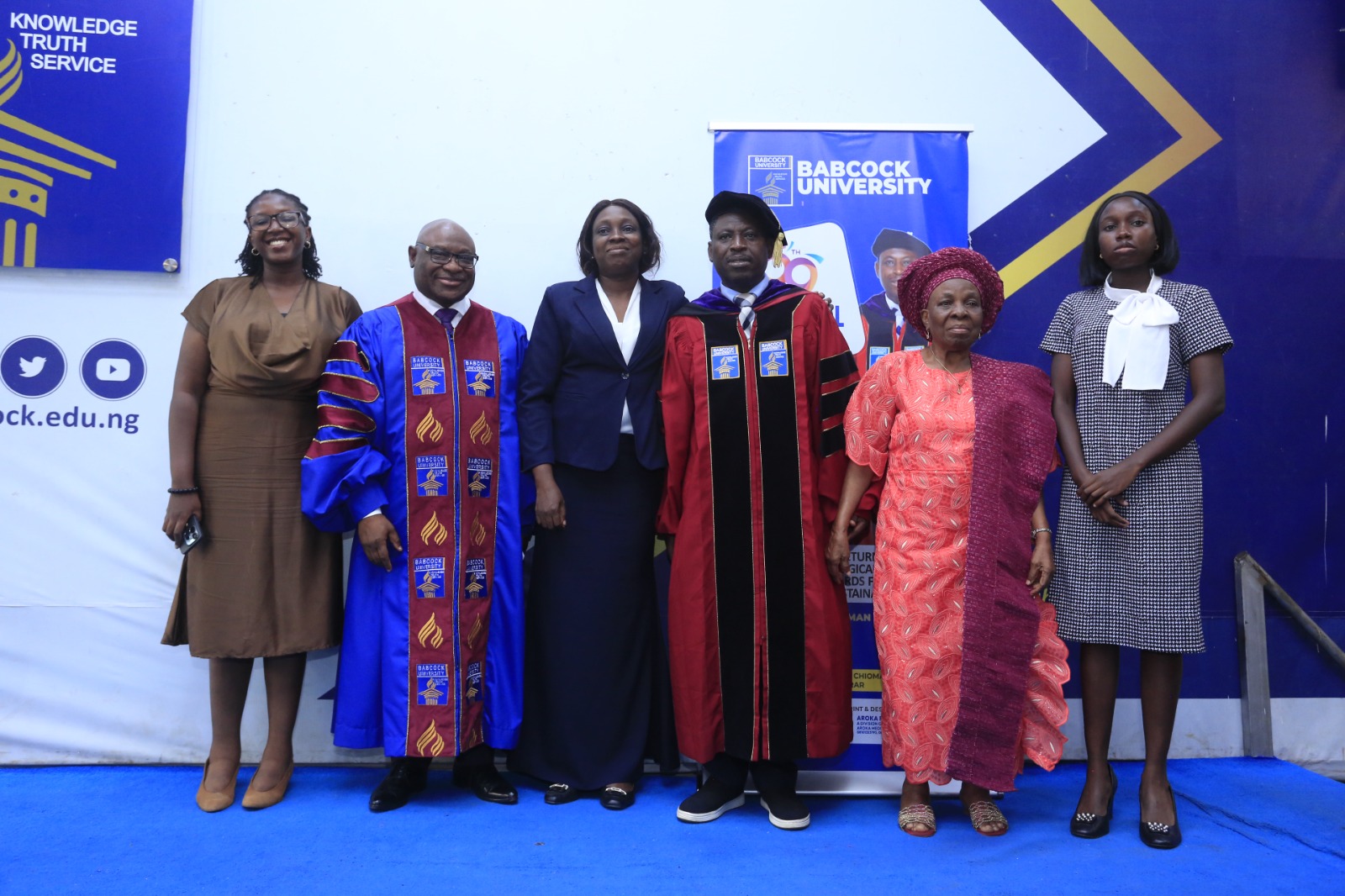
Olugasa warned that technology is moving faster than the rules meant to guide it.
Innovation is rapidly reshaping how people live, work, and interact. But without proper legal frameworks, technology could easily outpace ethics, accountability, and public safety.

For students who live online — from digital learning to social media and fintech — this gap could have serious consequences.
One major issue he highlighted is data sovereignty, which simply means a country having control over the data generated by its citizens. Olugasa argued that data control is now as important as physical resources for national security and economic independence.
He suggested that Nigeria should build its own exclusive digital infrastructure, comparing the idea to the impact of the Dangote Refinery on the country’s industrial ambitions.
“Data sovereignty is a critical aspect of national security and economic independence in the digital age. It is time Nigeria developed exclusive broadband akin to the Dangote’s refinery achievement,” he said.
The professor also discussed how law and technology must work together in critical areas like elections. He pointed to the Bimodal Voter Accreditation System (BVAS), which verifies voters and supports electronic result transmission through the IReV Portal. Tools like these, he explained, can improve transparency and trust in democratic processes when backed by strong legal safeguards.
Beyond elections, Olugasa believes Nigeria should rethink how it approaches technology development altogether.
Instead of simply copying Western digital systems, he urged Nigeria and other Global South countries to create solutions that reflect their own realities and cultures.
He warned that many technologies today still reflect older colonial structures, where developing nations rely heavily on systems designed elsewhere.
For students studying tech, law, governance, or even agriculture, that idea carries weight — suggesting the next generation of innovators might not just use technology, but help redesign it for their own societies.
Olugasa also called for broader reforms, including stronger energy infrastructure to support digital growth, updates to outdated legislation, and new regulations for sectors like agriculture.
He proposed laws that could promote natural farming practices, limit excessive genetically modified foods, and even reduce unnecessary paper use in official transactions.
In many ways, his lecture raises a bigger question for young Nigerians entering a digital world:
Should the country simply follow global tech trends, or build systems that truly reflect its own needs and future?
For students who will soon shape Nigeria’s digital economy, the answer may define how technology works and who it ultimately works for.















 EduTimes Africa, a product of Education Times Africa, is a magazine publication that aims to lend its support to close the yawning gap in Africa's educational development.