


























































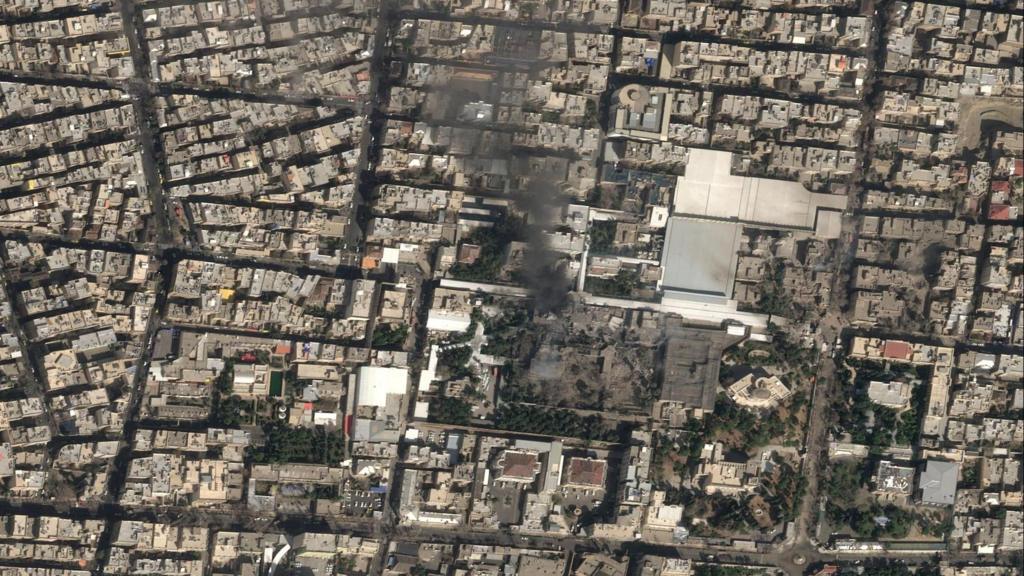


Tensions between the United States, Israel, and Iran have long shaped Middle East geopolitics. Analysts say the conflict is driven by several strategic factors that go beyond the immediate battlefield. Below is a simplified breakdown of the key issues shaping the war and why it could last longer than many initially expected.
1. Iran’s Nuclear Ambitions

A major concern for the United States and Israel is Iran’s suspected effort to develop nuclear weapons. Both countries believe a nuclear-armed Iran would pose a serious security threat, especially to Israel. Iran’s leadership has repeatedly criticized Israel and supports armed groups in the region that oppose the Israeli state. For this reason, Washington and Tel Aviv see stopping Iran’s nuclear program as a top priority.
2. The Global Power Competition

The conflict is also linked to broader global power dynamics. Some analysts argue that the United States is not only focused on Iran but is also trying to maintain its strategic dominance globally, particularly as China’s economic and political influence grows. By asserting military strength in different regions, the U.S. may be seeking to rebalance global power and prevent rivals from gaining strategic advantage.
3. The Challenge of Ending the War
Once military action begins, it becomes difficult to stop without achieving clear objectives. Iran’s leadership is unlikely to surrender easily, and some of its nuclear facilities are believed to be located deep underground, protected by mountains and reinforced structures. Destroying such facilities may require more than airstrikes, potentially involving special forces operations. Some strategists also argue that a lasting solution could require political change inside Iran, which would depend on internal pressure rather than external military force alone.
4. Oil, Global Economy, and the Strait of Hormuz
Iran holds a strategic advantage through its proximity to the Strait of Hormuz, a critical global shipping route through which roughly one-fifth of the world’s oil supply passes. Any disruption in this area could send global oil prices soaring and destabilize economies worldwide. At the same time, Iran’s own economy relies heavily on oil exports, particularly through facilities like Kharg Island, making energy infrastructure a key part of the conflict.
5. The Need for International Support
Because the conflict affects global energy supplies, the United States may seek broader international support. A multinational coalition could focus on ensuring that the Strait of Hormuz remains open to global shipping. While the U.S. and Israel may handle most of the direct military operations, other nations have a strong interest in maintaining stable oil flows and protecting international trade routes.
6. Domestic Political Pressures
The conflict also carries political implications at home, particularly for U.S. leadership. War outcomes can influence domestic approval and economic stability. Rising oil prices or a prolonged conflict could create political challenges. However, leaders may also calculate that backing away from a conflict after initiating it could carry even greater political costs.
A Potentially Long Conflict
Given the complexity of the military objectives, geopolitical stakes, and economic implications, analysts suggest the conflict could last several months or longer. Achieving strategic goals such as limiting Iran’s nuclear capabilities, maintaining global oil supply routes, and managing international alliances will likely take time.
In short, the conflict is not only about military confrontation but also about nuclear security, global power competition, economic stability, and political calculations.














 EduTimes Africa, a product of Education Times Africa, is a magazine publication that aims to lend its support to close the yawning gap in Africa's educational development.