
























































The West African Examinations Council has extended the registration deadline for the 2026 Computer-Based West African Senior School Certificate Examination (CB-WASSCE) for school candidates by one day.
WAEC announced the extension in a short post on its official X account on Friday.

“Here is to announce that the registration for the CB-WASSCE for school candidates, 2026 has been extended to Friday, March 13, 2026,” the post stated.
The latest extension follows reports of technical glitches and high demand that have affected the registration process since January.
WAEC had earlier assured that the forthcoming computer-based examination would be accessible to students across every part of Nigeria, regardless of location.

The examination body said when the new model is fully implemented in 2026, no candidate would be excluded due to limited access to technology or infrastructure.
It added that deliberate measures are being put in place to ensure inclusivity so that candidates in rural and underserved communities have the same opportunities as those in urban areas.
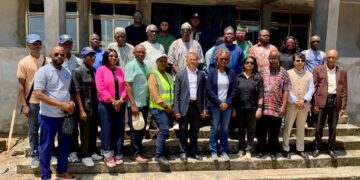
The Head of the WAEC National Office, Amos Dangut, gave the assurance in Abuja during a sensitisation session organised for members of the National Assembly Committees on Education.
The engagement was aimed at briefing lawmakers on the implementation strategy for the CB-WASSCE and seeking their support in addressing possible challenges.
According to Dangut, WAEC has begun the gradual introduction of computer-based testing, starting with objective questions in selected subjects before expanding to include theory and practical components.
He explained that the phased approach would enable schools, teachers and students to adjust to the system while allowing the council to address technical or infrastructural challenges.
Dangut also revealed that consultations are ongoing with state governments, school proprietors and other stakeholders to ensure adequate computer-based testing centres are established nationwide.
WAEC, he said, is working closely with the Federal Ministry of Education Nigeria and other relevant agencies to guarantee stable electricity supply, internet connectivity and the training of personnel who will manage the examination centres.
He further assured lawmakers that candidates in rural communities would not be left behind, noting that the council is mapping examination centres in each local government area to reduce the distance students travel and ease financial pressure on parents.
Dangut added that the transition to CB-WASSCE aligns with global examination practices and would improve the credibility, transparency and security of the assessment process.
According to him, the use of technology will help reduce examination malpractice, logistical delays and challenges associated with processing results.
He urged lawmakers to support the initiative by ensuring adequate budgetary provisions and oversight mechanisms to accelerate the infrastructural development required for the smooth rollout of the computer-based examination system.















 EduTimes Africa, a product of Education Times Africa, is a magazine publication that aims to lend its support to close the yawning gap in Africa's educational development.