


























































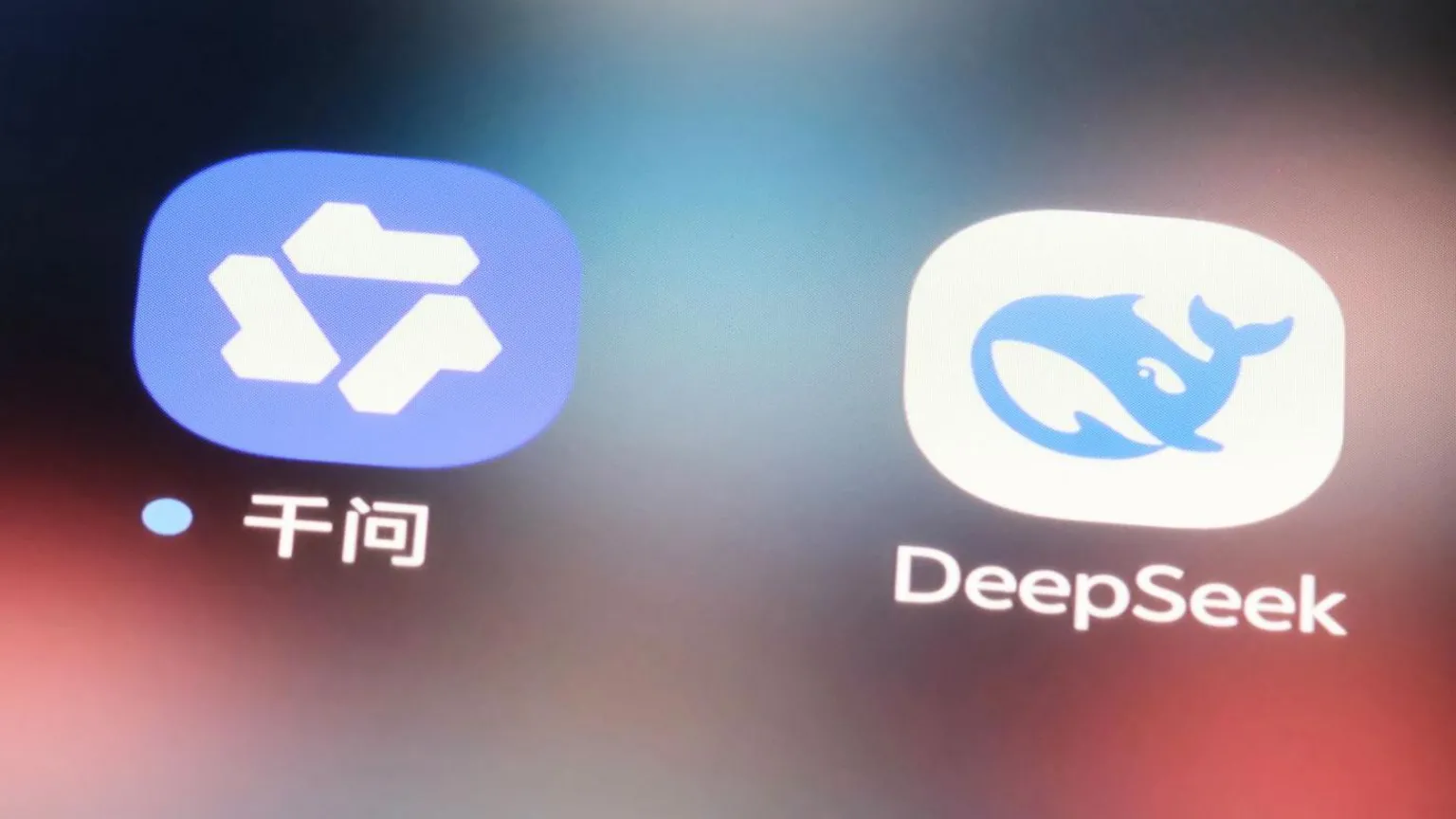


As artificial intelligence becomes central to business operations worldwide, a quiet shift is underway. Chinese open-source AI models are increasingly shaping the global technology market, largely because they significantly reduce the cost of building and deploying AI systems.
Data from global open-source platforms and industry reports show that AI models developed by Chinese technology companies now account for a growing share of global usage. This rise is driven not by geopolitics, but by affordability, accessibility, and flexibility.
Why Cost Matters for Africa and Emerging Markets
For many organisations across Africa and other developing regions, the high cost of proprietary AI tools developed in the United States has limited adoption. Chinese open-source models are changing this reality in three major ways.

First, there are no licensing fees.
Open-source models allow developers and institutions to download and use AI systems without paying subscription or usage fees. This contrasts with proprietary platforms that charge per query, per user, or per month.
Second, infrastructure costs are lower.
Chinese models such as Alibaba’s Qwen and DeepSeek are designed to run efficiently, reducing the computing power required to operate them. This makes them attractive to institutions with limited budgets, including schools, startups, and public agencies.
Third, customisation is easier.
Because the source code is openly available, developers can adapt these models to local languages, curricula, or sector-specific needs. This is particularly important for education, health, and public services in Africa.
Chinese AI Adoption by the Numbers
Available industry data show the scale of this shift:
Chinese open-source AI models now represent a significant share of the most downloaded models on platforms such as Hugging Face.
Alibaba’s Qwen model family has recorded hundreds of millions of downloads globally.
Many Chinese models support over 100 languages, increasing their relevance in multilingual regions like Africa.
These figures indicate that Chinese AI systems are no longer niche alternatives but mainstream tools used across industries.
What This Means for Africa’s Education and Tech Sectors
For African countries, the rise of Chinese open-source AI presents several opportunities:
Reduced costs for building AI-powered educational platforms and learning tools
Greater independence from expensive foreign software licences
Faster development of AI solutions tailored to local languages and contexts
Universities, edtech startups, and research institutions can now experiment with AI without the financial barriers that previously restricted access.
Why the Global Market Is Responding
The appeal of Chinese open-source AI lies in its economic logic. Open access, frequent updates, and lower operating costs make these models attractive to companies seeking efficiency rather than exclusivity.
This shift has also highlighted the limitations of closed, profit-driven AI systems that prioritise revenue over accessibility. As a result, global adoption patterns are changing.
Chinese open-source AI models are reshaping the economics of artificial intelligence. By lowering costs and expanding access, they are redefining who can build, deploy, and benefit from AI technologies.
For Africa, this development offers a practical pathway to wider AI adoption in education, business, and public services, without the heavy financial burden that has long accompanied advanced technology.
Source: BBC News analysis and publicly available industry data















 EduTimes Africa, a product of Education Times Africa, is a magazine publication that aims to lend its support to close the yawning gap in Africa's educational development.