






















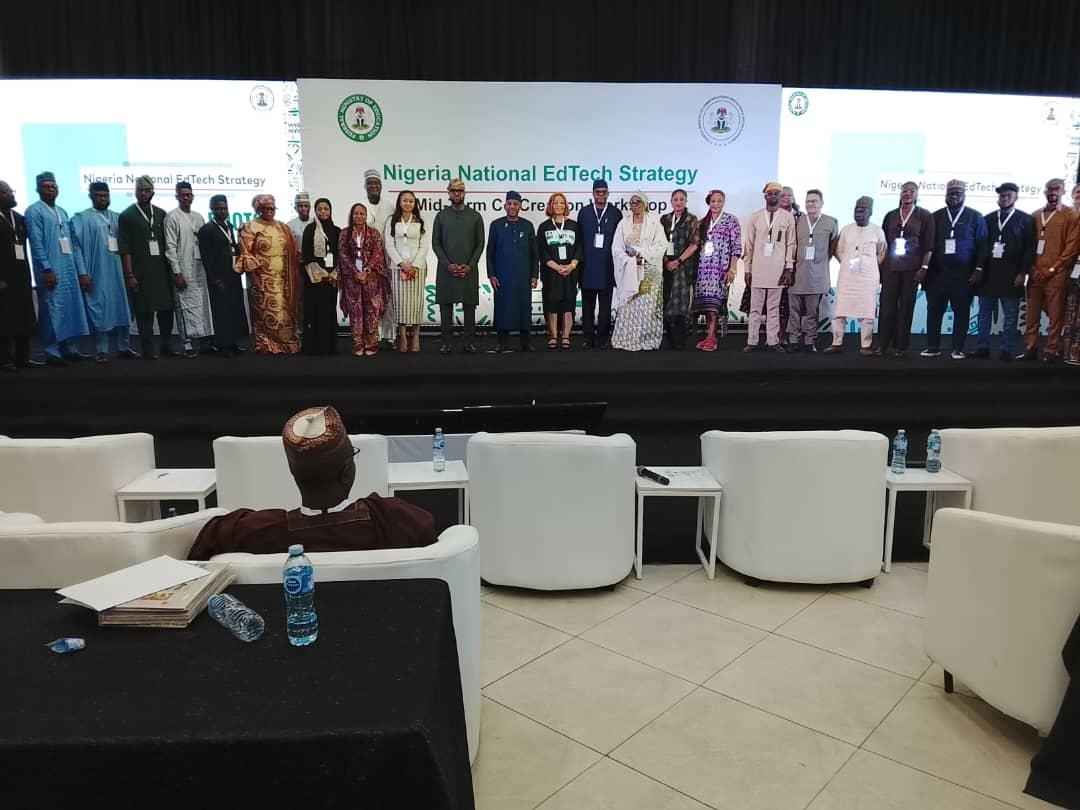


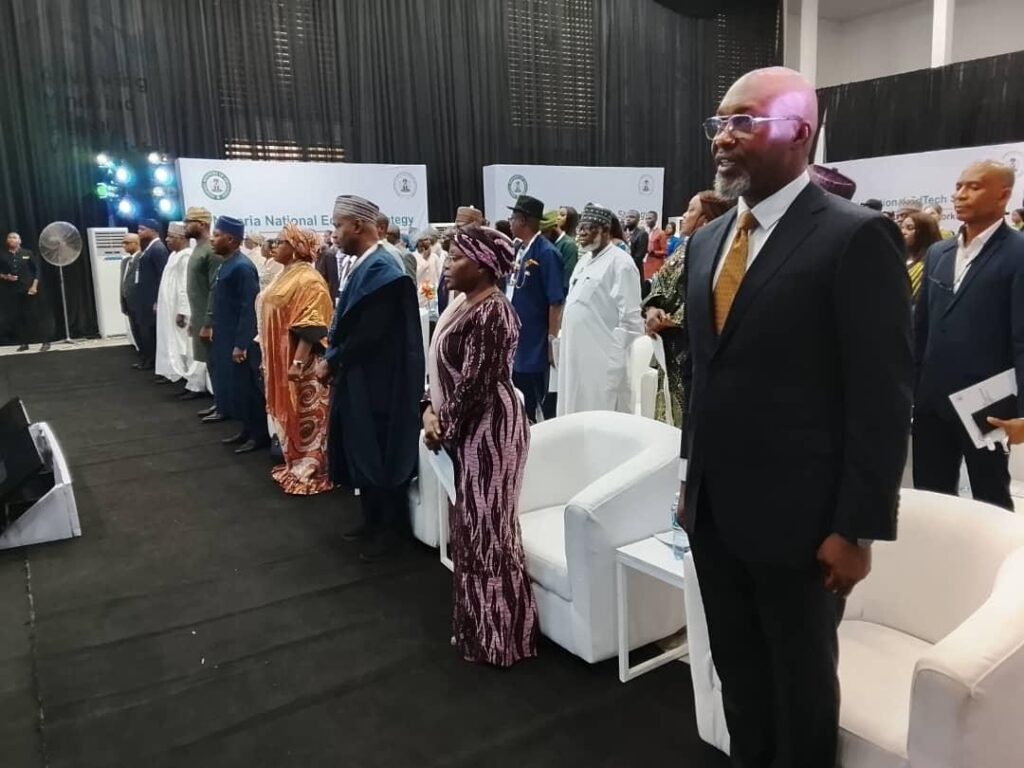
Abuja – Nigeria has taken a decisive step toward digitalising its education sector, moving beyond fragmented pilots to embrace a coordinated, sustainable national technology ecosystem. This forward-looking approach was cemented during the Nigeria National EdTech Strategy Mid-Term Co-Creation Workshop, held on the 28th of November, 2025, at the UBEC Digital Resource Center in Abuja.



Convened by the National EdTech Strategy Task Force—a joint effort of the Federal Ministry of Education (FME) and the Federal Ministry of Communications, Innovation & Digital Economy (FMCIDE)—the event brought together key government officials and global development partners to finalise the nation’s first-ever comprehensive education technology strategy.


A Co-Owned National Vision

Developed in partnership with the Mastercard Foundation and the World Bank Group, the strategy is a core component of President Bola Ahmed Tinubu’s Renewed Hope Agenda. The vision is built on four pillars: strengthening Access, Quality, Innovation and Talent Alignment with the Digital Economy.
In her introductory remarks, Mrs Uju Anigbogu, Director in Charge of Education Planning and Research Development, on behalf of the Minister of State for Education, Prof. Suwaiba Sa’id, emphasised the initiative’s collaborative nature. “This strategy is not a top-down approach; rather, it is a co-owned and co-created effort,” she stated. “It marks a pivotal moment that builds equitable moments in Nigeria and will improve how we teach, learn and lead.”
The strategy aims to unify existing systems, such as DEMIS, TMIS, NDLP, Smart Schools and State Digital Hubs, into a cohesive National Digital Education Infrastructure, anchored in inclusivity, interoperability and public-private partnerships.
National Promises
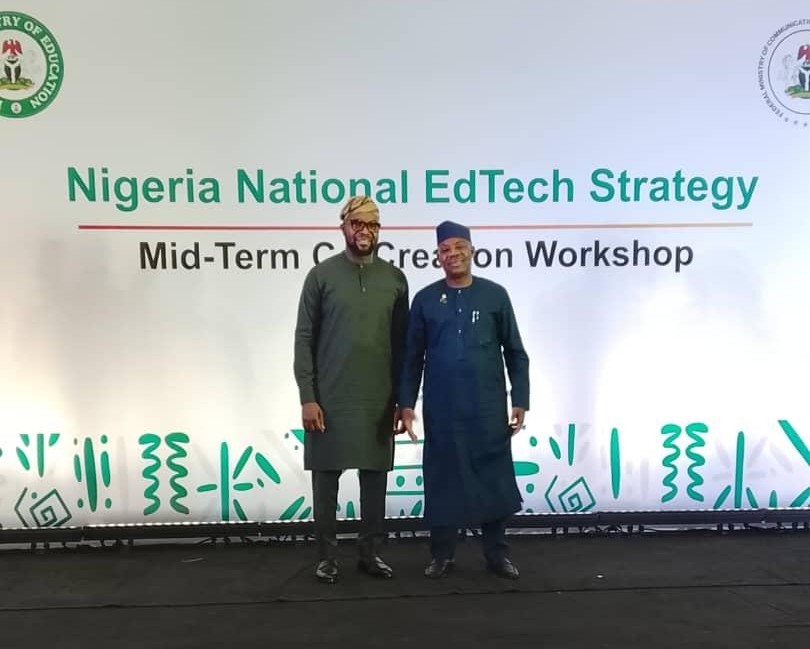
The workshop featured a high-level Joint Ministerial Dialogue, where both ministers outlined ambitious plans to bridge the current education and connectivity gaps.
Dr Maruf Olatunji Alausa, the Honourable Minister of Education, acknowledged the urgency of transformation given Nigeria’s young population. He stressed a move “beyond policy to implementation” and made a landmark promise: “Within the next 24 months, every primary school in Nigeria will have a smartboard.” Furthermore, the ministry plans to create a platform where teachers and students can access educational content for free, without requiring internet data.
To tackle the rising number of out-of-school children, Dr Alausa announced the full implementation of the Learners Identification Number (LIN) initiative. The LIN is currently active in Kano and Katsina States and once fully deployed and linked to the National Identification Number (NIN), it will provide an accurate count of learners and facilitate targeted infrastructure deployment and intervention.
Dr Bosun Tijani, the Honourable Minister for Communications, Innovation and Digital Economy, focused on providing the necessary infrastructure. Recognising that over 20 million Nigerians live in areas without telecom connectivity, he announced that the Nigerian Communications Commission (NCC) is set to deploy 4,000 new telecom towers in rural areas, particularly across the North Central and North East regions, significantly closing the digital divide for more than 20 million people. He also highlighted deep conversations aimed at dropping the cost of devices like laptops and tablets to make them more affordable for every Nigerian.
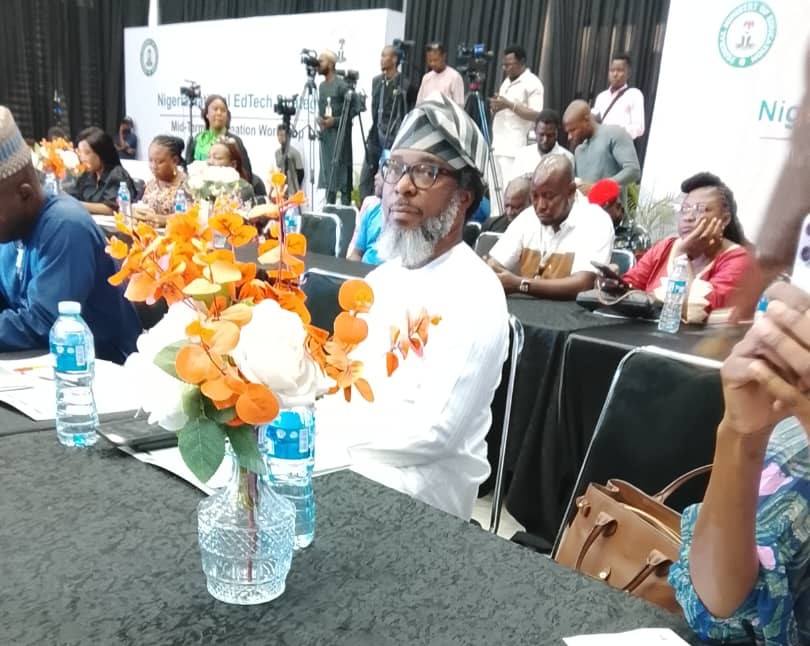
International and national partners reaffirmed their commitment to the initiative:
Mr Matthew Verghis, Country Director – Nigeria, World Bank Group, noted that the World Bank already embodies the EdTech vision through its HOPE Education Programme, which is designed to improve the quality of education, increase equitable access (including to out-of-school children) and enhance key education systems.
Rosy Fynn, Country Director – Nigeria, Mastercard Foundation, emphasised that the Foundation sees a world where everyone has equal opportunity to learn and that tech-enabled learning takes education beyond the four walls of the school.
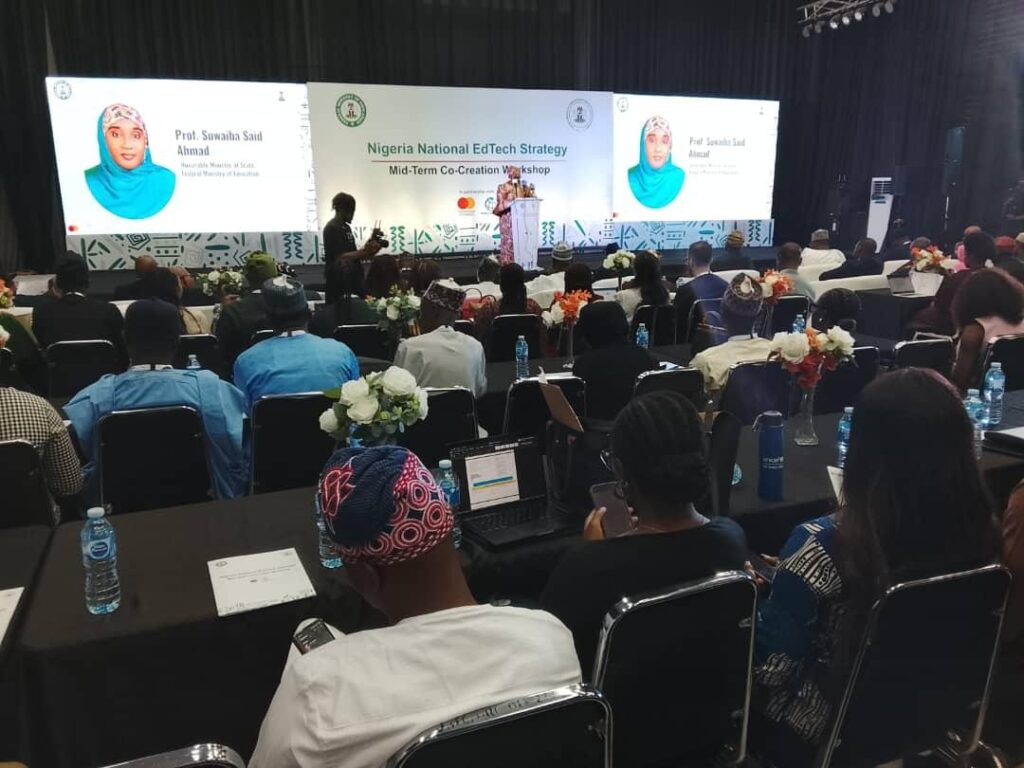
Aisha Garba, Executive Secretary of the Universal Basic Education Commission (UBEC), highlighted the commission’s efforts in empowering teachers through digital trainings and its partnerships with Starlink and NITDA. She noted UBEC’s achievement of supplying over 300 working computers to primary schools and developing an AI platform to help teachers generate lesson plans, ensuring more quality time with students.

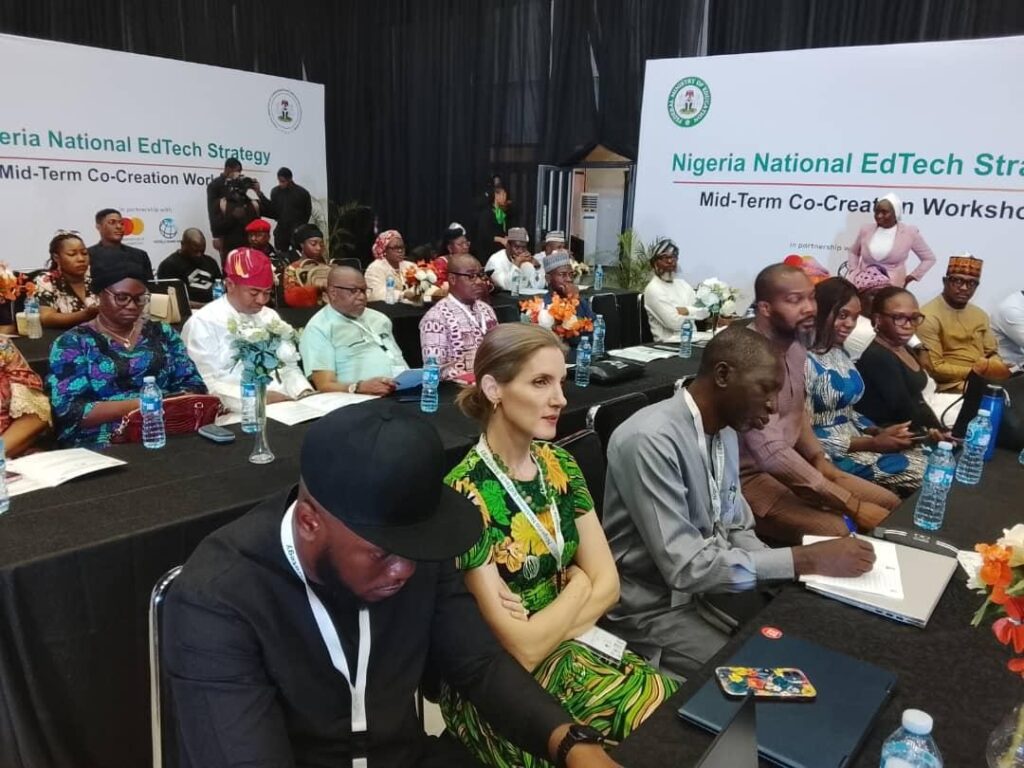
The foundation for this entire digital ecosystem is the Nigeria Education Data Initiative (NEDI), a strategic project spearheaded by the FME. NEDI serves as a central, secure, and intelligent repository of educational information, providing crucial data on learners per classroom, pupils with special needs, and detailed information on out-of-school children—including their location, reasons for being out of school, and the nearest school to them. The initiative also provides live lessons for students (JSS 1 – SS 2) and a ministerial dashboard offering a robust data overview of all public and private schools.













 EduTimes Africa, a product of Education Times Africa, is a magazine publication that aims to lend its support to close the yawning gap in Africa's educational development.