










































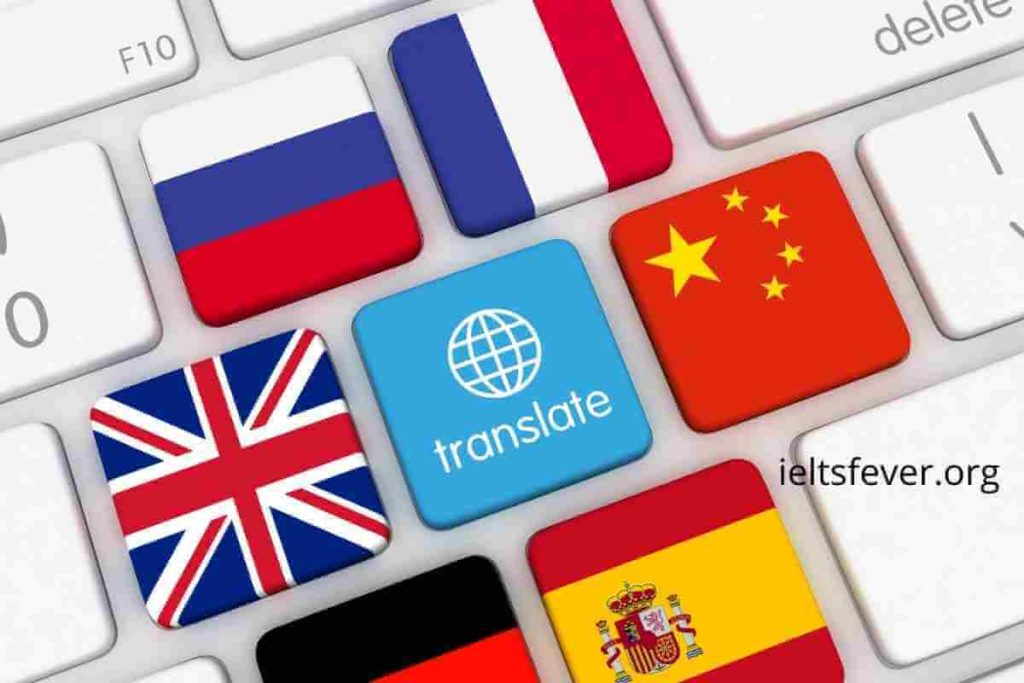


As from 24th May 2025, IELTS officially phased out the paper-based IELTS exam, requiring all candidates to take the test exclusively on computers. Although the organisers of the test described the move as one taken to modernise the test, this move has no doubt transmuted the test beyond the realm of language literacy to one of digital literacy, raising pressing questions about access for Nigerian test takers.
Access to education is about more than classrooms or teachers; it is about availability of opportunities and the intentional removal of barrier in the way of potential beneficiaries. For thousands of Nigerians, IELTS is the gateway to international education, scholarships, postgraduate programs, and professional certifications, employment and residency. But with the exam now fully computer-based, test-takers must first attain computer literacy before attempting the test, this condition adds a filter of exclusion for students from under-resourced schools or rural areas.
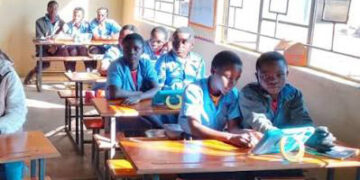
Nigeria has set a daring target of achieving 95% digital literacy by 2030. Yet, only a small fraction of schools are currently equipped with functional computers and internet access to achieve the government’s target leaving many students without the practical experience needed to navigate a computer-based test.
This does not only pose a challenge for IELTS test-takers but also secondary school students whose curriculum has been radically changed to include subjects in coding and ICT. WAEC and NECO examinations are also in transition from paper-based to computer-based examination but the question is “are schools equipped for this transition?”
While internet usage among African youth is high, engaging online through social media or research is not the same as mastering timed, high-stakes exams. Tasks such as typing essays, navigating on-screen reading passages, highlighting text, and handling listening exercises are skills that many students are yet to develop.

The discontinuance of paper-based IELTS now requires candidates to possess both English proficiency and computer literacy. One adult student of mine broke down in tears when he heard of the decision to stop the paper-based test not only because he was still struggling to up his scores but because he would have to enrol for computer classes to be able to make any further attempts at taking the test.
Privileged students who have prior access to computers from home, school or had private tutoring are more like to adapt to the new digital regime meanwhile, test-takers from rural or under-resourced divide face a steeper learning curve, needing to acquire computer skills alongside their language preparation. Imagine the effect of the digital filter on a student from Iropora Ekiti, Ukpor or Burum! Is IELTS not becoming more of a test of privilege than a test of language?

This change negates the spirit of Sustainable Development Goal 4 which emphasizes inclusive and equitable quality education for all and SDG 10 which focuses on reducing inequalities. Without coordinated intervention, the computer-only IELTS could widen the educational gap between urban and rural test-takers, and between wealthy and low-income families.
Government and the organised private sector should provide computer literacy training specifically aimed at students preparing for IELTS. Also, IELTS centers should offer supervised practice facilities in underserved regions, and schools could integrate computer-based exercises into English curricula to give students the required experience.

The sad closure of paper IELTS in Nigeria amplifies a broader challenge! Digital literacy has become a filter for opportunities. Success in a test that opens doors to the global space is now measured not only by proficiency in the language itself but by ability to navigate a computer. If I must fail, should it because of access or my ability?
________________

Olawale Louis Omotosho is a lover of pasta, a Nigerian-born Teacher and a Migration & Legal Advisor. He is a VIP Member of the International Teachers Association and an International Education Counselor certified by the trio of; Times Higher Education (THE), Counsellor Association of Nigeria and British Council. He is a PDE Scholar at the Meadow Hall College of Education, Lekki Nigeria and an alumnus of the Metropolitan School of Business & Management UK, Nigerian Law School and the Knowledge Management program of the Chicago Institute of Business.
He can be reached through
mailbox.walelouis@gmail.com
and
linkedin.com/in/ọláwálé-louis-ọmọ́tọ̀ṣhọ́-732771204 and
+2347035606703.









 EduTimes Africa, a product of Education Times Africa, is a magazine publication that aims to lend its support to close the yawning gap in Africa's educational development.