





























































As Nigeria continues to grapple with rising graduate unemployment and inflationary trend, a professor of Strategy and Entrepreneurship, Professor Olalekan Asikhia, has urged higher institutions to redesign curricula to meet national needs, foster human‑capital development, promote modern economic sectors and support social‑economic mobility.
Professor Asikhia, who was speaking at the 57th inaugural lecture of Babcock University held at the main campus in Ilishan-Remo, Ogun State, said universities across the country have a decisive role to play in reducing poverty and stimulating economic growth.
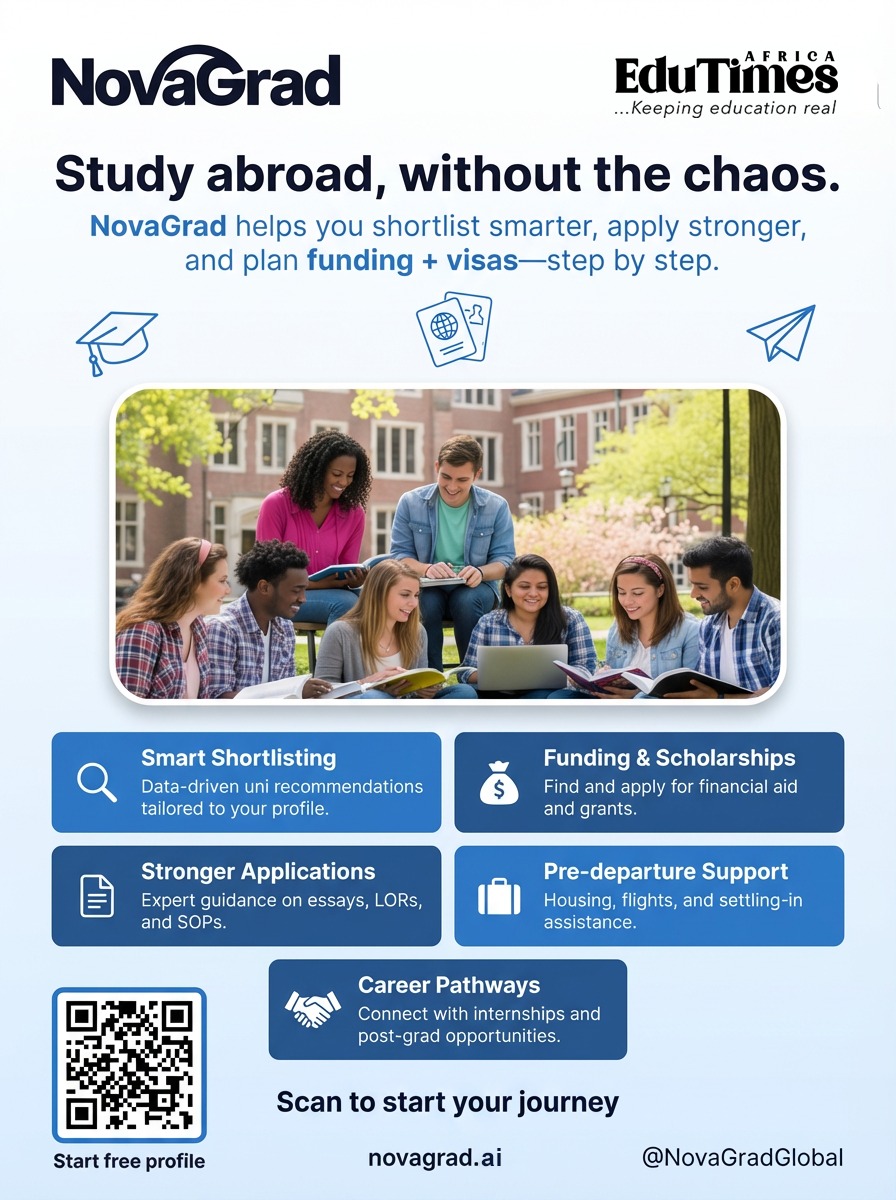
In his lecture, It is Time For Functional Businesses to Kill Poverty In Africa, he said, “Universities can empower individuals to break the cycle of poverty by designing curricula that meet national needs,”
He submits that this approach not only prepares graduates for the dynamic demands of modern economy, but also positions universities as “pivotal contributors to national competitiveness, and economic development.”

To achieve this, he recommends that universities must go beyond traditional teaching and research to become active engines of entrepreneurship and innovation hubs. He noted that these multifaceted roles position universities as “critical agents in Nigeria’s transition from a resource‑dependent economy to a knowledge‑driven society.”
Citing a three‑dimensional approach of scientific, educational and cultural poverty alleviation, Prof. Asikhia said from a scientific perspective, university‑led research and technological innovation can generate practical solutions for economic challenges in impoverished regions.
He posits that while an educational poverty alleviation focuses on improving access to quality education for disadvantaged populations, providing financial aid, and fostering intellectual and vocational development to break intergenerational poverty, the cultural angle calls for “promoting values, social cohesion, and innovative thinking that support sustainable community development and empower individuals toward long‑term prosperity.”
In his recommendations, Prof. Asikhia called for collaboration with the Corporate Affairs Commission to register student start‑ups and enable them to operate while still in school. He stressed the need for flexible curricula that align with the National University Commission (NUC) guidelines
“This speaks to the need for a flexible curricular that are in tandem with the National University Commission, (NUC). Student entrepreneurs should be empowered to overcome traditional resource constraints, reduce operational costs and access global markets.”
He also highlighted the importance of university‑led research that addresses socio‑economic challenges and community‑service initiatives that directly benefit local populations.
“The presence of higher institutions of learning in a community should foster a unique environment where innovation, entrepreneurship and collaboration thrive,” he said.
“Universities should serve an incubators for start‑ups, providing resources such as research facilities, mentorship and access to funding within the community.”
Aside these, he submits that business owners should think beyond profit-making to building start-ups as well as providing viable platforms for a university-industry collaboration which will provide students with the relevant exposure to “real-world industry practices, thereby equipping them with the essential 21st century skills and increasing their employability.”
“This symbiotic relationship between universities and local businesses, enhances job creation and stimulates economic growth.”

Similarly, he drew attention to the need to collaborate with the Universities for Poverty Alleviation, a movement which represents a coordinated global approach to integrate poverty reduction into their core missions through education, research and social impact.
“This global network underscores the evolving role of higher education institutions beyond traditional teaching and research, positioning them as key players in societal transformation.”
The lecturer emphasized the urgent need for Nigerian universities to adopt a more proactive, market‑oriented approach to equip graduates with the skills and mindset necessary for self‑reliance and societal advancement.


















 EduTimes Africa, a product of Education Times Africa, is a magazine publication that aims to lend its support to close the yawning gap in Africa's educational development.