




















































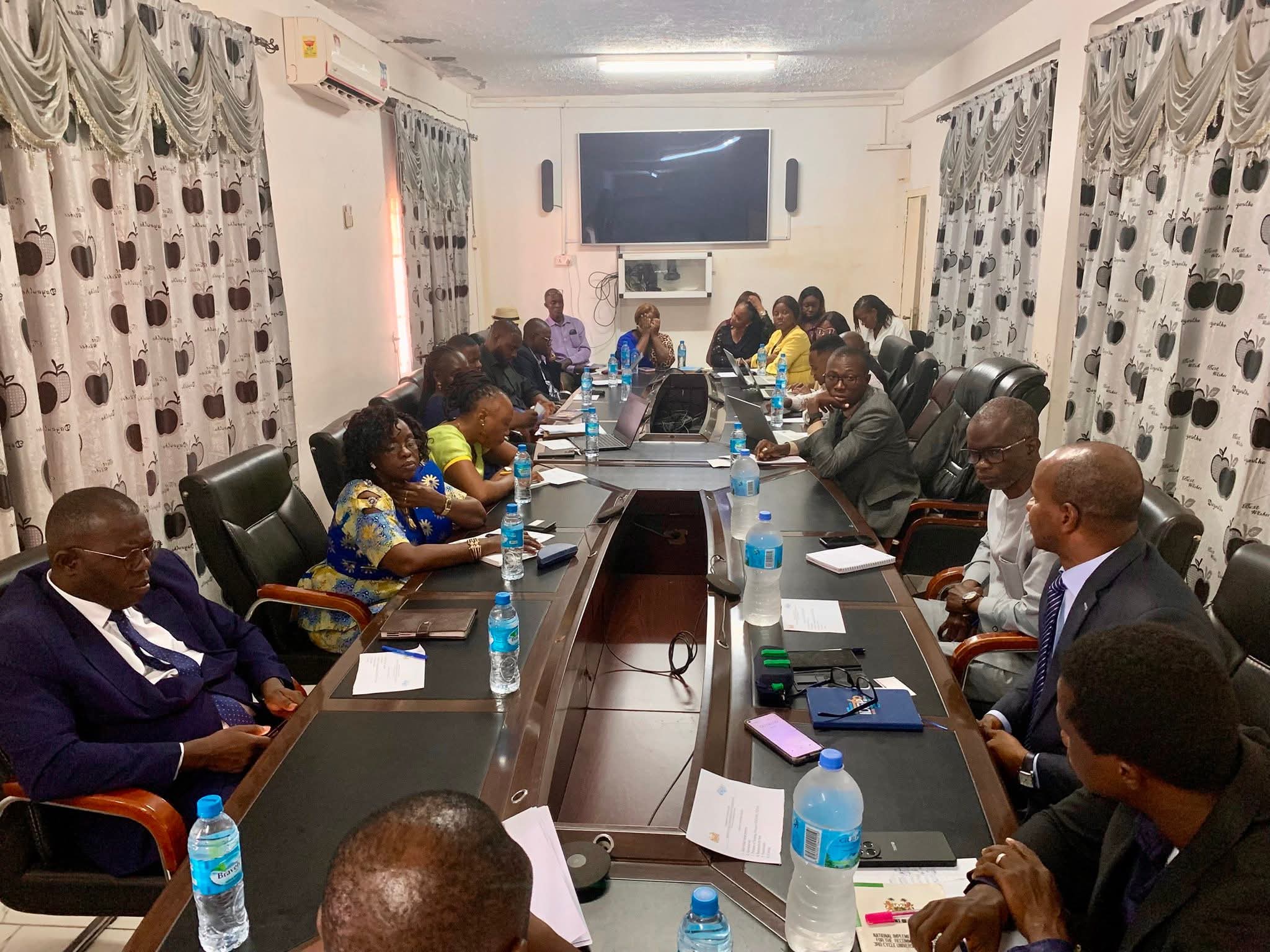


The Ministry of Technical and Higher Education (MTHE) and the Ministry of Public Administration and Political Affairs (MoPAPA) have begun formal discussions on transforming the Civil Service Training College (CSTC) into a Public Service Academy, a reform aimed at strengthening skills development and professional standards across Sierra Leone’s public service.


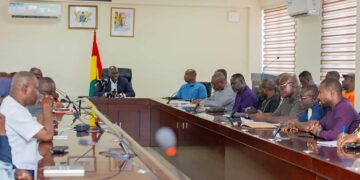
The high-level meeting, chaired by MTHE Permanent Secretary Mohamed Sheick Kargbo, brought together senior officials from both ministries, technical experts, and representatives of the African Institute of Economic Development and Planning (IDEP), which is supporting the reform process.

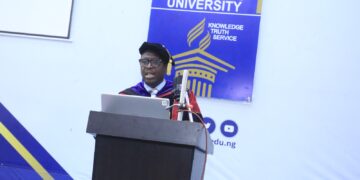
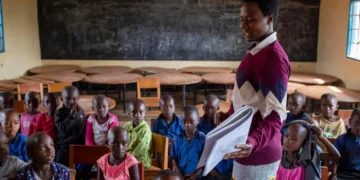
Speaking during the discussions, Dr. Josephus Brimah, Chief Technical and Higher Education Officer at MTHE, stressed that the focus of the reform should go beyond nomenclature to purpose and outcomes. He said the proposed academy must be designed to meet the practical needs of the public service, providing continuous training, reorientation, and upskilling for both new entrants and serving officers.
Dr. Brimah emphasized the need for broad consultations in shaping programmes and curricula, including drawing on the experience of retired and seasoned civil servants to ensure training is “fit for purpose.” He also highlighted the importance of aligning all programmes with the National Qualifications Framework and securing appropriate accreditation through the relevant statutory bodies, depending on whether courses fall under academic or technical and vocational education. He noted that strong pedagogical capacity among trainers would be essential to the success of the academy.


MTHE’s Director of Technical and Vocational Education and Training, Abdul Senesie, described the proposed transition as complex and far-reaching. He noted that while the CSTC has traditionally trained civil service cadets, transforming it into a public service academy raises important questions around accreditation, certification, and alignment with Sierra Leone’s evolving education and training architecture. He called for broader stakeholder engagement to ensure the academy is properly positioned within the academic, TVET, and emerging micro-credential strands of the National Qualifications Framework.
From a human resource perspective, Rebecca Saffa, Director of Human Resource at MTHE, underscored long-standing challenges around training coordination and funding within the public service. She raised sustainability concerns and suggested exploring innovative financing models, as well as digital learning platforms, to make training more accessible and flexible for adult learners. She also pointed to the need to link the academy’s curricula to existing training needs assessments across ministries, particularly to support career progression for officers who are currently unable to advance due to academic entry requirements.
Fatmata Kaiwa, Director of Science Education at MTHE, questioned whether establishing a broader public service academy could increase the fiscal burden on government, given existing constraints and the number of publicly funded institutions. She suggested that some specialised training needs could be integrated into existing institutions rather than creating parallel structures.
Responding on behalf of MoPAPA, the Director of Public Administration, Momoh Conteh, said the initiative is anchored in national policy and forms part of the President’s reform agenda to transform the public service architecture by 2030. He explained that the current phase focuses on laying the groundwork through a management and functional review of the CSTC, which will produce a roadmap for its transition into a Public Service Academy.
Mr. Conteh clarified that the proposed academy is intended to replace the CSTC rather than create an entirely new institution, describing the change largely as one of scope and mandate. He noted that land has already been identified at Six Mile to host the academy, addressing concerns about the inadequacy of the current CSTC location. He added that specialised institutions, such as a foreign service academy, would operate as subsets under the broader public service academy framework.
He further explained that the academy is expected to play a central role in career progression, with completion of specific courses becoming part of performance appraisal and promotion requirements, drawing on examples from countries such as Kenya.
Bakary Dosso, Director of Training and Research at IDEP, said the engagement with MTHE was critical, given its mandate over accreditation, curricula, and human capital development. He noted that the transition would require careful attention to accreditation, digital transformation, and sustainable financing.

IDEP Training Officer Mamadou Cisse echoed concerns about sustainability, cautioning against overreliance on donor funding and urging government-led financing solutions. He said feedback from various institutions would inform the validation of the draft management and functional review, scheduled to take place at the CSTC.
Officials from both ministries agreed on the need for continued, inclusive dialogue to ensure alignment across government and stakeholders as the reform process moves forward, with the shared goal of building a modern, effective, and professional public service.












 EduTimes Africa, a product of Education Times Africa, is a magazine publication that aims to lend its support to close the yawning gap in Africa's educational development.