






















































In a fast-evolving digital landscape where content creation is constantly being reshaped, students have been urged to take bold steps early and embrace purpose-driven use of social media and artificial intelligence.



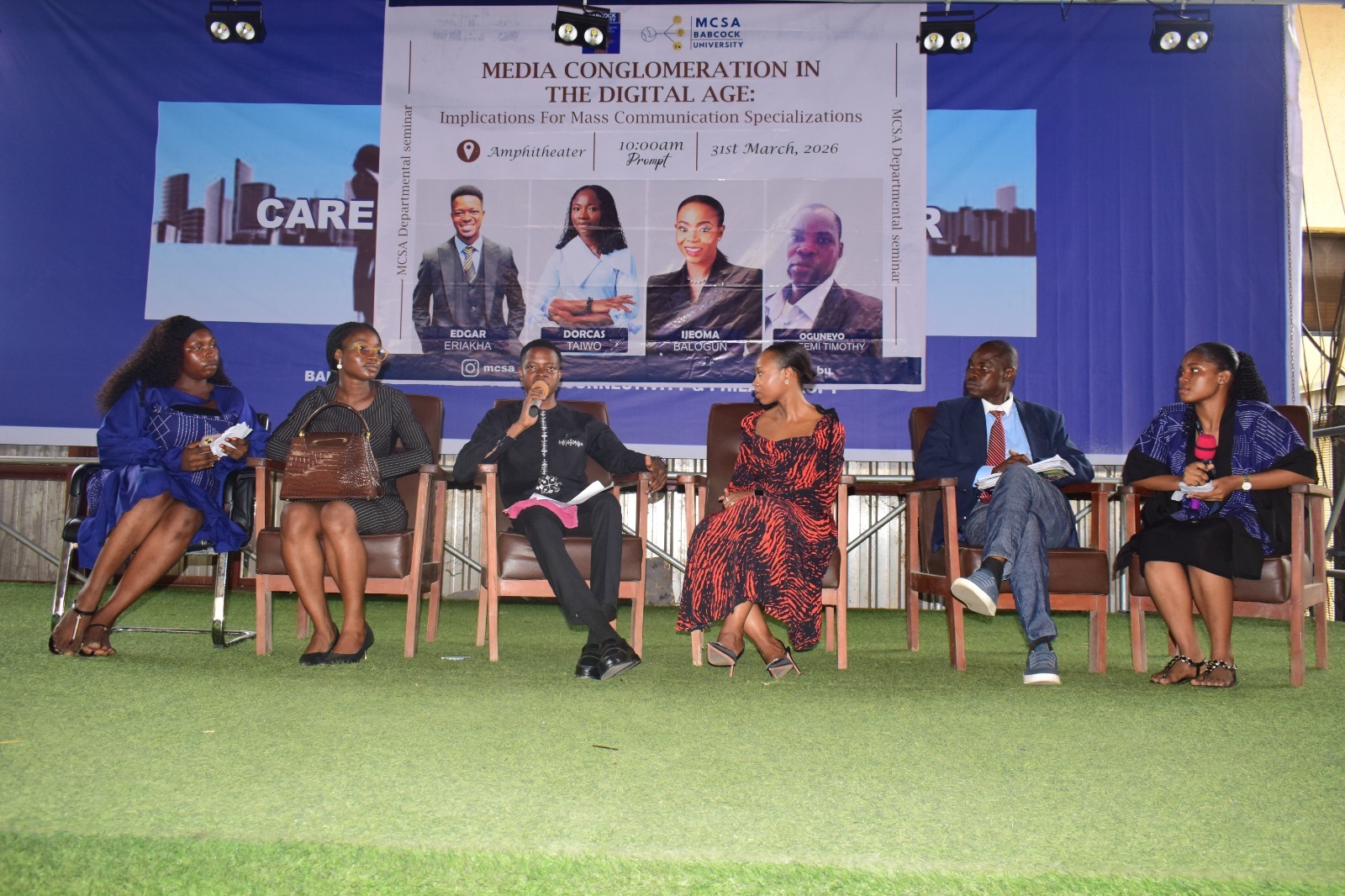
This charge was given during a departmental seminar organised by the Mass Communication Students Association of Babcock University as part of activities marking its departmental week.

Themed “Media Conglomeration in the Digital Age and Its Impact on Mass Communication Specializations,” the event brought together professionals across print, broadcasting, and public relations to share insights on navigating the modern media space.
Among the speakers were Edgar Eriakha, Dorcas Taiwo, Ijeoma Balogun, and Timothy Oguneyo, each offering practical perspectives drawn from their careers.

Taiwo, a media strategist and product development expert, emphasised the urgency of starting early, urging students not to delay their creative journeys.
“Stop auditioning for someday. You are standing at a pivotal point of history. Start before you are ready, own something that has your name,” she said, while also cautioning that artificial intelligence should be used as a tool, not a replacement.

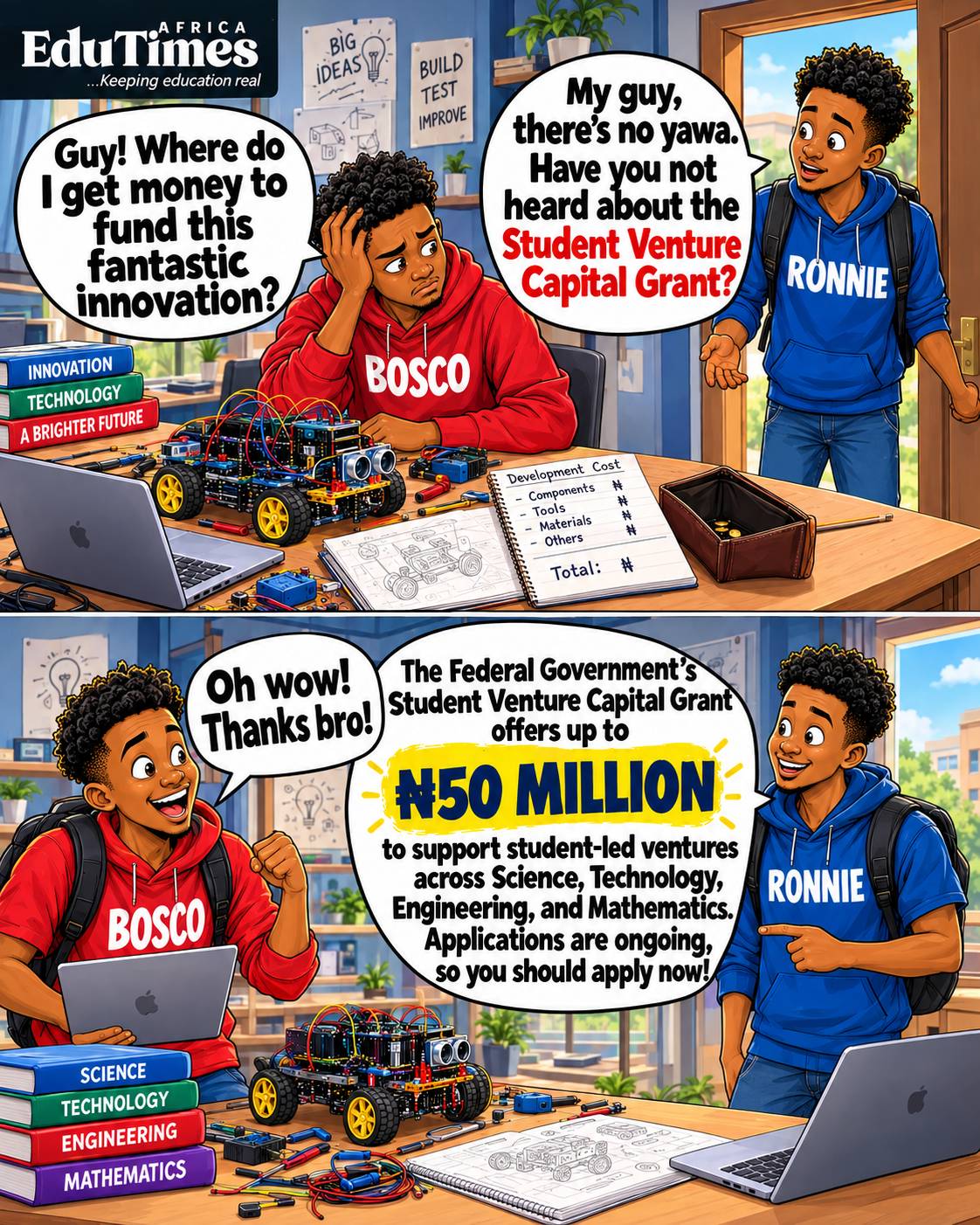
Echoing similar sentiments, Balogun, Founder and CEO of Redrick Public Relations Limited, shared her career journey, illustrating how taking early steps can shape long-term success in the communication industry.
On his part, Oguneyo highlighted the enduring relevance of print media, noting that despite the dominance of digital platforms, print still holds opportunities for growth, recognition, and profitability. He encouraged students to discover their niche and remain consistent in their craft.
“Keep a weekly cadence, sign your work so readers know whose voice it is,” he advised, stressing the importance of building a personal media identity.
Adding a creative dimension to the session, Eriakha—a storyteller, comedian, and host of the podcast Why Am I Still Single—shared insights from his experience in broadcasting and content creation, blending humour with real-life lessons.
Beyond individual experiences, the speakers collectively examined how media conglomeration has transformed content production, distribution, and audience engagement. While acknowledging challenges, they pointed to opportunities such as increased reach and technological advancement.
The session ended with a strong call for students to adapt to the changing media environment by developing digital skills, embracing innovation, and maintaining ethical standards—qualities seen as essential for thriving in today’s communication industry.













 EduTimes Africa, a product of Education Times Africa, is a magazine publication that aims to lend its support to close the yawning gap in Africa's educational development.