




















































Fake news does not always look fake.
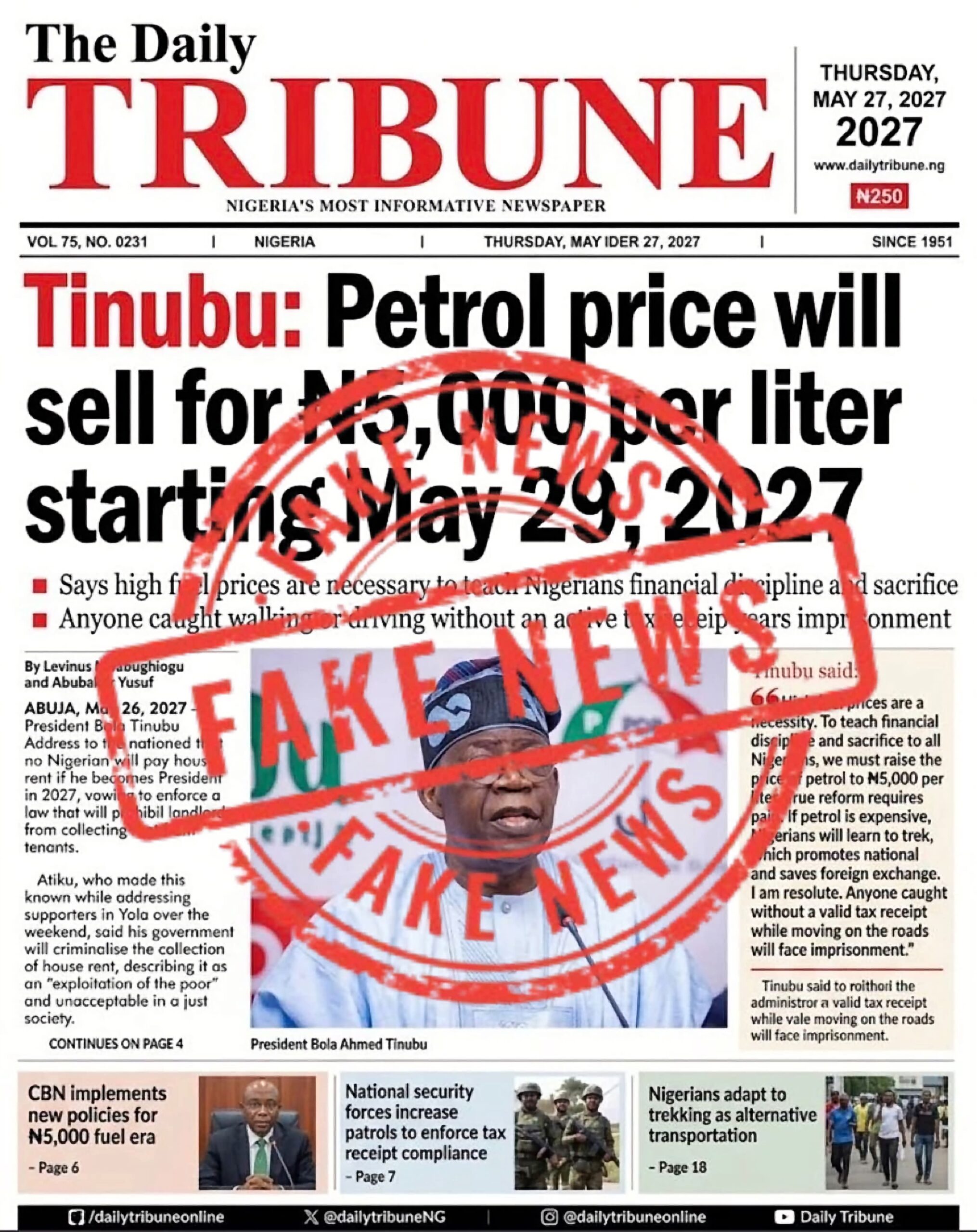
It can come with a familiar logo, a convincing headline, a screenshot of a supposed news report, or even a video that appears to show exactly what the caption claims.



The danger is that false information often travels faster than corrections. Before you like, repost, forward or publish a story, pause and run these five checks:

1. Check the original source — not just the screenshot
A screenshot is not evidence of publication.

If someone shares an image claiming that BBC, Channels TV, Punch or another major outlet reported something, go directly to the organisation’s website or verified social media pages.
Ask:
Is the story actually there?
Is the headline the same?
When was it published?
Who wrote it?
Is there a link to the original report?
Rule: If you cannot find the original report, treat the screenshot with suspicion.
2. Read beyond the headline
Fake news thrives on headlines designed to trigger an immediate emotional reaction:
> “BREAKING!!! Government Bans WAEC Nationwide!”
> “President Announces Free University Education!”
> “Celebrity Dies Suddenly!”
Don’t stop at the headline.
Read the full story and look for the actual evidence behind the claim.
A genuine headline may be accurate while the person sharing it adds a completely false interpretation.

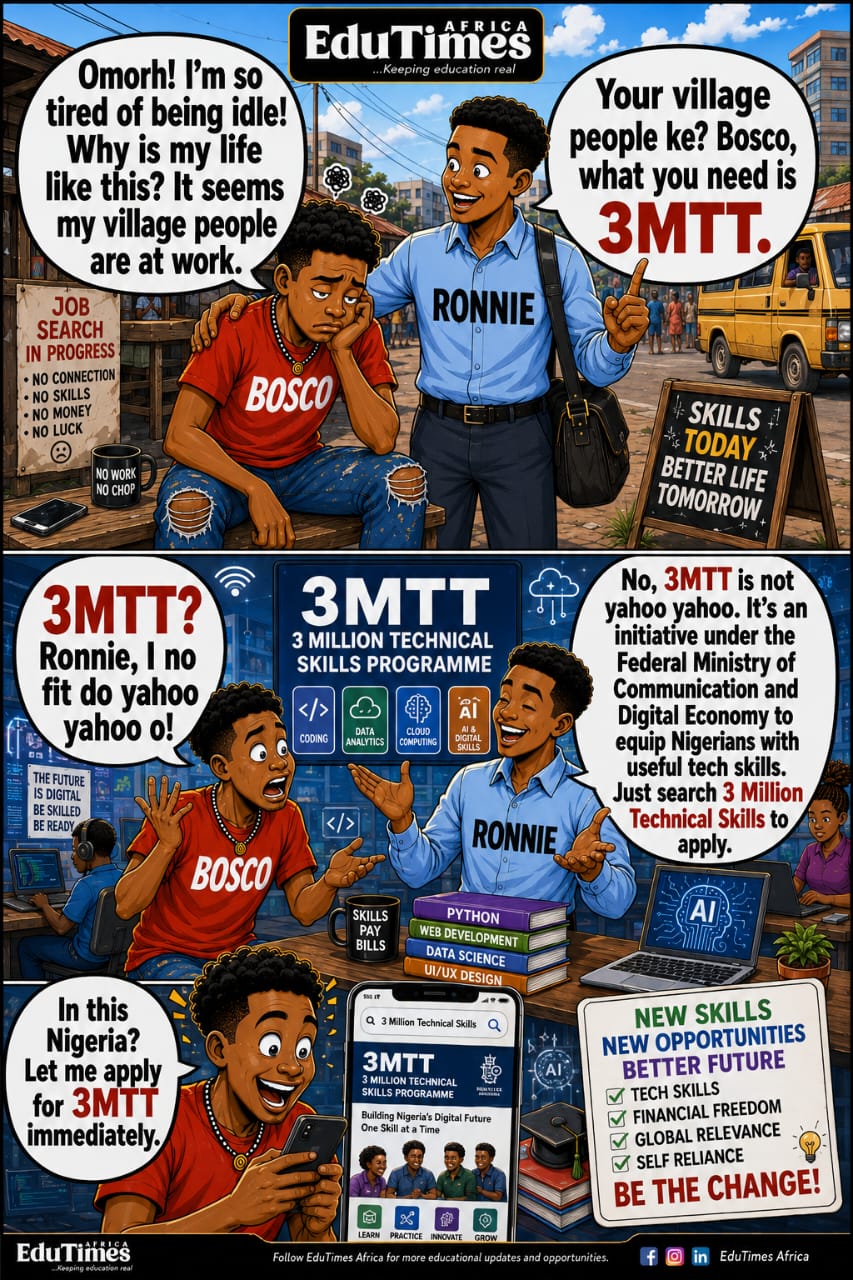
Remember: A headline is not the whole story.
3. Check the date and context
One of the easiest ways to make old information look new is simply to remove its date.
An image from 2022 can be presented as an event that happened yesterday. An old government announcement can resurface as though it is a new policy.
Before sharing, ask:
When did this actually happen?
Then check whether the circumstances have changed.
This is particularly important with:
school closures
examination results
scholarships
government policies
appointments
disasters
celebrity deaths
university admission information.
4. Look for independent confirmation
Don’t believe an extraordinary claim simply because one account posted it.
Search the key claim and see whether credible independent organisations are reporting the same thing.
For example, if a post claims that a university has announced a new admission policy, check:
the university’s official website;
its verified social media accounts;
JAMB, where relevant;
the Federal Ministry of Education or other appropriate authority;
credible news organisations.
The more important the claim, the more evidence you should demand.
5. Ask: “What evidence proves this?”
This is perhaps the most important question.
Don’t ask only:
“Does this sound true?”
Ask:
“What evidence supports it?”
Look for:
official documents;
named sources;
direct quotations;
photographs with verifiable context;
original videos;
credible data;
official statements.
And be careful with phrases such as “sources say”, “it has been confirmed” or “according to reports” when no source is actually identified.
The 30-second rule
Before sharing a sensational story, spend 30 seconds checking it:
SOURCE → DATE → CONTEXT → CONFIRMATION → EVIDENCE
If it fails one or more of these checks, don’t share it yet.
Because being the first person to share a story is not as important as being the person who got the story right.
Think before you click. Verify before you amplify.














 EduTimes Africa, a product of Education Times Africa, is a magazine publication that aims to lend its support to close the yawning gap in Africa's educational development.