




















































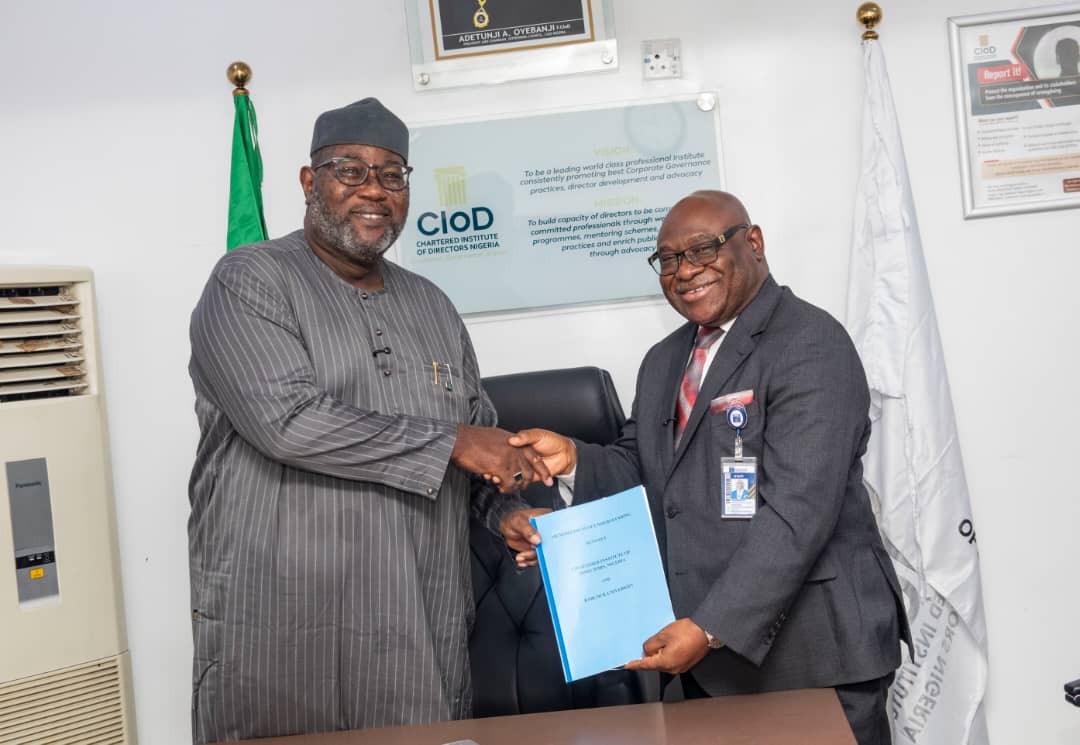


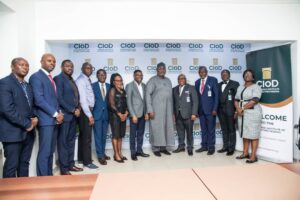
Babcock University and the Chartered Institute of Directors Nigeria (CIoD Nigeria) have signed a Memorandum of Understanding (MoU) to strengthen leadership development, corporate governance and professional capacity building in Nigeria.



The partnership will focus on sharpening leadership skills, strengthening leadership capacity, promoting sound corporate governance and improving board effectiveness.

It will also facilitate innovative development programmes, knowledge exchange, cross-fertilisation of ideas and value-based research to support advocacy and promote best practices in governance.
Speaking at the signing ceremony, the President and Chairman of Council of CIoD Nigeria, Otunba Adetunji Oyebanji, said the agreement provides a framework for deeper collaboration between the two institutions in areas of mutual interest.

He said the partnership would cover leadership development, corporate governance education, professional capacity building, research, knowledge exchange and other initiatives aimed at strengthening the competencies of current and emerging leaders.

According to him, the partnership also reflects CIoD Nigeria’s commitment to engaging leaders early in their professional development.
“By strengthening the connection between academia and professional institutions such as CIoD Nigeria, we can expose students, academics and professionals to practical governance principles and leadership standards that will serve them throughout their careers,” Oyebanji said.
He expressed optimism that the partnership would create opportunities for knowledge sharing, greater awareness of corporate governance and professional development, while providing platforms for emerging leaders to interact with experienced directors, executives and governance professionals.
“Together, we can develop leaders who are competent, ethical, accountable and committed to good governance, thereby strengthening businesses, educational institutions, public organisations and ultimately our nation,” he said.
Oyebanji added that the success of the agreement would ultimately be measured by the programmes and opportunities created through the partnership.
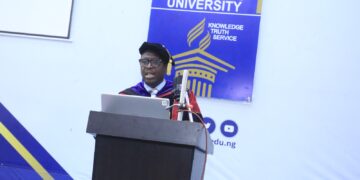
Also speaking, the President/Vice-Chancellor of Babcock University, Professor Afolarin Olutunde Ojewole, described the MoU as a strategic collaboration between two institutions with complementary strengths — one focused on academic development and the other on professional director development.
He said the partnership would leverage the strengths of both organisations to develop better directors and expose students, particularly postgraduate students, to the principles and practice of corporate governance.
“With one memorandum of agreement with you all, we will be talking not only to one director, highly placed, but all in different significant areas of the economy of Nigeria,” Ojewole said.
He added that the partnership would provide an opportunity for Babcock University to engage with global best practices and strengthen its position as an institution whose academic programmes can attract international recognition and partnerships.

The Vice-Chancellor further highlighted the importance of the professional networks the partnership would create for students, saying exposure to experienced directors and business leaders would complement their academic training.
Describing the MoU as “one of the most strategic ever” in Babcock University’s history, Ojewole pledged the university’s commitment to ensuring that the agreement produces tangible results.
“We promise that we’ll do our end of the bargain,” he said.
The partnership is expected to deepen the relationship between academia and professional institutions while equipping current and future leaders with the knowledge, skills and ethical standards required to promote effective corporate governance across Nigeria’s public and private sectors.














 EduTimes Africa, a product of Education Times Africa, is a magazine publication that aims to lend its support to close the yawning gap in Africa's educational development.