























































New York City has placed a one-year moratorium on the use of student-facing generative artificial intelligence tools by pupils from 2-K through eighth grade, affecting nearly 600,000 public school students.



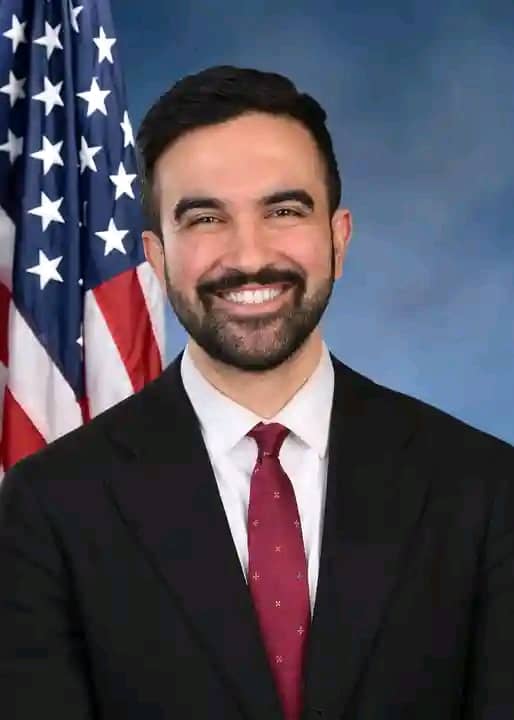
The policy, announced by Mayor Zohran Mamdani and Schools Chancellor Kamar H. Samuels, will apply during the 2026–2027 school year while the city reviews the place of artificial intelligence in its public schools.

The restriction covers student-facing generative AI software, while companion chatbots will be prohibited across the school system.
Mamdani said the move was aimed at protecting children’s development of basic learning skills, including independent thinking and problem-solving.

“Children need teachers and human connection in order to learn and grow. They need to develop skills alongside their peers, build relationships with educators and wrestle with tough problems on their own,” the mayor said.
The restriction, however, does not mean that New York City is removing artificial intelligence completely from its education system.

Some high school students will have controlled access to approved AI programmes. The city plans to enrol up to 50,000 students in general education classes in five AI pilot programmes.
The pilots will be limited to a maximum of five classes per high school and will be supervised by trained teachers. The city also said participating AI tools must meet safety and data privacy requirements.
For high school students, the policy also provides for AI literacy lessons twice a year. The lessons will be delivered through two 45-minute modules covering what AI is and is not, alongside issues such as bias, risks, ethics and the possible impact of the technology on future careers and skills.
Samuels said the city wanted students to understand the technology without allowing it to replace the learning process.
“As Chancellor and as a parent, I believe our job is to protect what makes learning work, while ensuring every child has the critical thinking skills they need before graduating,” he said.
The schools chancellor said the coming school year would also give the city an opportunity to examine how technology could support education while ensuring that it does not take the place of learning itself.
As part of the policy, the city is establishing a Technology in Schools Coalition involving students, educators, parent leaders, elected officials, advocates, union partners and experts.
The coalition will examine the impact of the moratorium and the high school pilot programmes during the 2026–2027 school year before making recommendations for future school years.
The decision comes as education systems continue to work out how generative AI should be used in classrooms as the technology becomes increasingly accessible to students.
Mamdani said the city had considered the views of teachers, families, students, researchers and community members before adopting the policy.
“For our youngest learners, from 2-K through eight, we are implementing a moratorium for student-facing generative AI,” he said.
The mayor said classrooms for younger pupils would remain focused on instruction, human interaction, play, discussion and creativity, with students expected to work through difficult problems themselves.
For now, the policy creates a clear distinction between younger pupils and high school students. While student-facing generative AI will be restricted for pupils from 2-K through eighth grade for one year, older students will have limited access to the technology alongside formal lessons on how to understand and use AI.













 EduTimes Africa, a product of Education Times Africa, is a magazine publication that aims to lend its support to close the yawning gap in Africa's educational development.