

























The Federal Government has enrolled nearly 250,000 Nigerians in its Technical and Vocational Education and Training (TVET) programme, with more than 1,200 accredited training centres and production hubs operating nationwide.
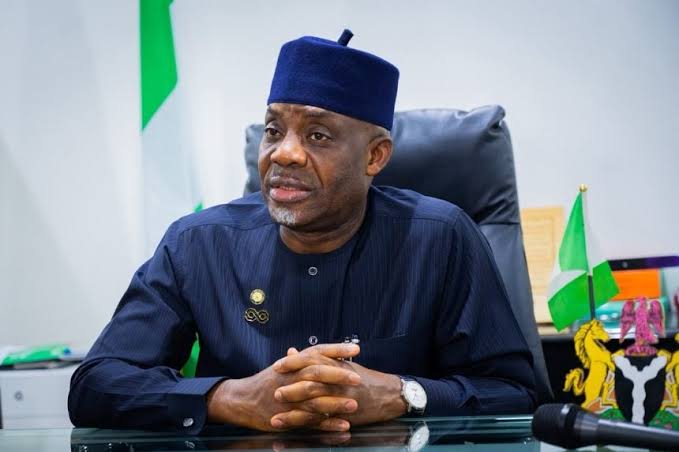
The Minister of Education, Dr Maruf Tunji Alausa, disclosed this during a panel session on “Building Nigeria’s Future Workforce” at the 32nd Nigerian Economic Summit in Abuja on Tuesday, October 27, 2026.

Alausa said Nigeria must prioritise market-relevant skills, practical training and industry partnerships to prepare young people for employment, entrepreneurship and the changing demands of the economy.
He explained that the government had streamlined the programme’s training areas from 82 to 28 trades following a labour market and skills gap analysis, with the aim of aligning vocational training with employers’ needs and emerging economic opportunities.


According to the minister, about 80 per cent of the training focuses on practical learning, while the remaining 20 per cent covers theoretical instruction. Eligible trainees receive a monthly stipend of ₦30,000, while participating training centres receive ₦50,000 per learner monthly to support training delivery.
Alausa added that tuition at federal technical colleges was free, describing the expansion of vocational education as a means of improving access to skills acquisition, self-employment and enterprise development.
He also disclosed that the latest opening of the TVET application portal attracted approximately 1.4 million applications within two weeks, reflecting strong demand for vocational training opportunities.
The minister identified curriculum reform as another key component of the government’s efforts to connect education with the labour market. He said the revised national curriculum, which took effect from the 2025/2026 academic session, introduced Digital Technologies and trade subjects while reducing the number of subjects at the senior secondary school level.
He added that the Ministry of Education was promoting the use of artificial intelligence to support teachers with lesson planning and assessment, while ensuring that its application did not undermine children’s cognitive development at the primary school level.
On access to higher education, Alausa highlighted the role of the Nigerian Education Loan Fund (NELFUND) in helping students overcome financial barriers. He disclosed that the fund had disbursed ₦372.62 billion to students and participating institutions as of September 29, 2026.
The minister further said the Ministry was working with the National Universities Commission and other stakeholders to promote courses that reflect changing industry requirements and equip graduates with relevant skills.
He also announced that the Entrepreneurial Innovation and Business Incubation Certification programme was being piloted in 14 universities, with plans to extend it to universities from the next academic session.
Alausa stressed that educational institutions and employers must work more closely to define occupational standards, develop relevant curricula, assess practical competencies and provide workplace training opportunities.

He argued that the success of education reforms should be measured not only by enrolment and graduation figures but also by graduates’ ability to secure employment, establish viable businesses, increase their earnings and contribute to national productivity.
The minister made the remarks at the 32nd Nigerian Economic Summit, organised by the Nigerian Economic Summit Group under the theme “Growth That Works”. The summit brings together public and private sector stakeholders to discuss strategies for improving economic performance, productivity and shared prosperity.
Alausa reaffirmed the Federal Government’s commitment to an education system that links learning with economic needs and prepares Nigerian youths to compete in an increasingly technology-driven and skills-based global economy.












 EduTimes Africa, a product of Education Times Africa, is a magazine publication that aims to lend its support to close the yawning gap in Africa's educational development.
