






















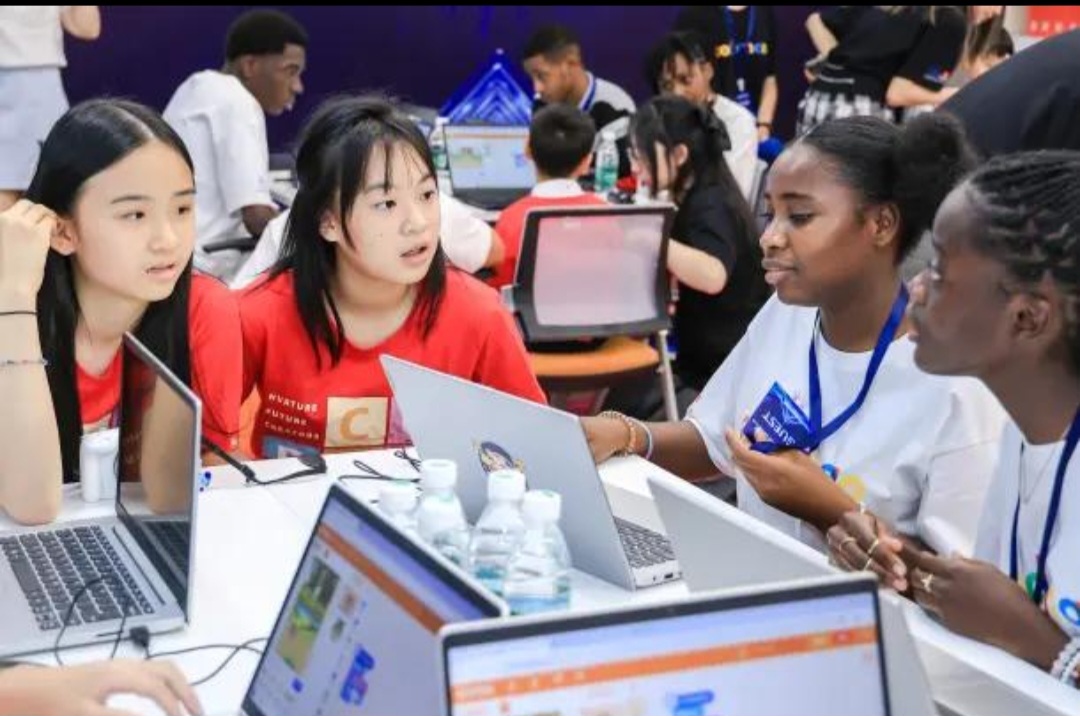


The United Nations Educational, Scientific and Cultural Organisation (UNESCO) and CODEMAO are advancing cooperation between Africa and Asia to strengthen artificial intelligence (AI) education and digital skills among young people.



The initiative brought together education officials, teachers, students and other stakeholders from China, Côte d’Ivoire, Kenya, Namibia, the Republic of the Congo and Thailand to explore opportunities for collaboration in AI education and innovation.

According to UNESCO, the programme included a policy forum, technology-focused study visits and a three-day programme involving student training and project development.
The activities focused on strengthening cooperation in AI education, developing digital skills, mobilising educational resources and creating partnerships to expand learning opportunities across the participating countries.

The initiative forms part of UNESCO’s broader efforts to promote inclusive access to digital education and help young people develop skills relevant to emerging technologies.
Through its partnership with CODEMAO, an online coding education platform, UNESCO has been supporting coding and AI learning for students and teachers in African and Asian countries.

The Youth Coding Initiative, which began in 2021, aims to improve coding and AI skills, strengthen international cooperation on emerging technologies and expand access to digital learning opportunities.
The programme’s second phase, covering 2025 to 2030, seeks to deepen cooperation and extend opportunities for students and teachers to develop digital competencies.
During the recent activities, participants exchanged ideas on how AI education could be implemented in classrooms and how countries could work together to build innovation ecosystems.
The programme also provided students with opportunities to share their learning experiences, cross-cultural exchanges and aspirations for the future.
The collaboration comes amid growing interest in preparing young people for a labour market increasingly shaped by digital technologies and artificial intelligence.
For participating African countries, stronger AI education and international collaboration could support efforts to expand digital skills training and provide learners with greater opportunities to participate in technological innovation.











 EduTimes Africa, a product of Education Times Africa, is a magazine publication that aims to lend its support to close the yawning gap in Africa's educational development.
