






















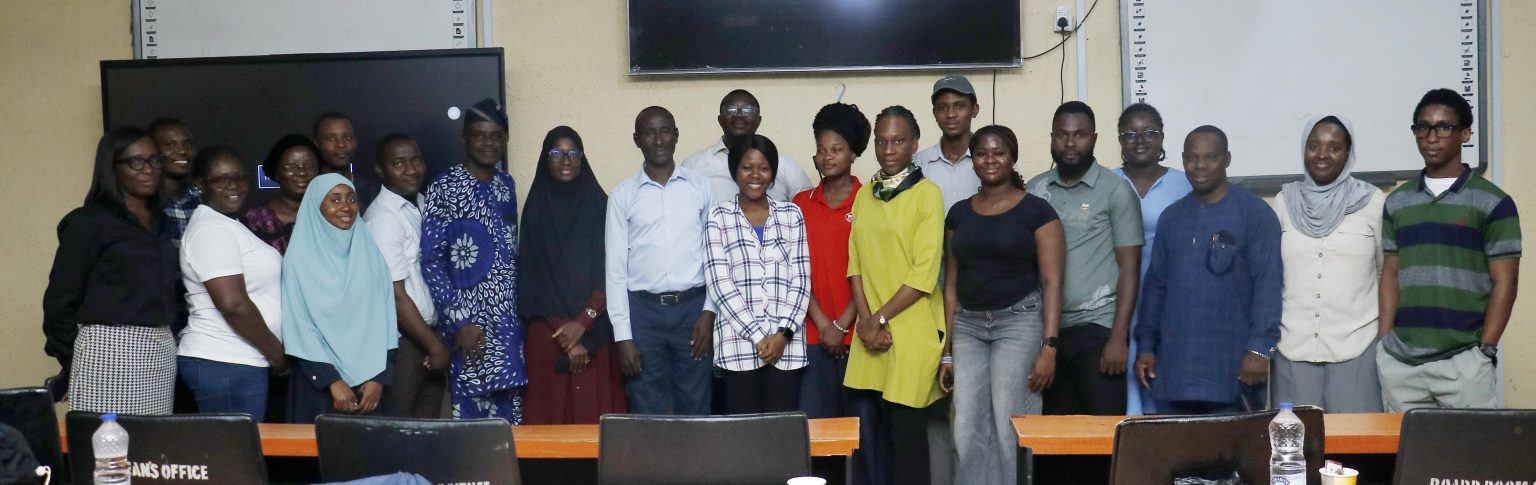


The University of Lagos (UNILAG), in collaboration with Vrije Universiteit Amsterdam, has trained biologists in R programming, bioinformatics and RNA sequencing (RNA-seq) data analysis to strengthen computational research skills in molecular biology.
The two-day workshop, held on October 26 and 27, 2026, was facilitated by UNILAG’s Faculty of Life Sciences in collaboration with Walter Pirovano and Vrije Universiteit Amsterdam. It introduced participants to computational tools for analysing gene expression and investigating biological processes and disease mechanisms.

The training combined theoretical sessions, which were open to physical and online participation, with practical exercises for selected postgraduate students whose research proposals had been approved for the programme.
In his opening remarks, the Dean of the Faculty of Life Sciences, Professor Ganiyu Oyetibo, highlighted the importance of transcriptomics in understanding biological processes and investigating diseases.

He explained that analysing RNA molecules enables researchers to examine gene expression under different conditions, providing insights into which genes are active and how their activity changes.
Oyetibo encouraged participants to apply the knowledge gained to real-life research questions and explore the growing applications of transcriptomics in biological investigations.

During a session titled “Modern Bioinformatics for Translational Research: From Sequencing to Discovery”, Dr James Mills of Vrije Universiteit Amsterdam discussed the development of sequencing technologies, from Sanger sequencing to short-read and long-read methods.
He explained that researchers should select sequencing technologies based on their research objectives and the type of biological information they seek to obtain.
Mills also outlined the role of RNA sequencing in studying the transcriptome, which comprises the RNA molecules present in a cell or biological sample at a given time. He noted that RNA-seq analysis can help scientists identify changes in gene expression, investigate disease mechanisms and discover potential biomarkers and therapeutic targets.
The facilitator explained the four major stages of RNA-seq: sample preparation, library preparation, sequencing and data analysis. He emphasised the importance of high-quality biological samples, quality control, sequence alignment and statistical analysis in producing reliable findings.
Using research into tuberous sclerosis complex and Dravet syndrome as examples, Mills demonstrated how sequencing data and computational tools could help scientists investigate disease-related changes and identify potential therapeutic targets.
He also discussed the application of gene-expression analysis in drug discovery, explaining how researchers could identify compounds that may counter disease-associated molecular changes. However, he stressed that computational findings must be validated through laboratory experiments.
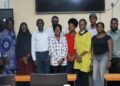
The second day featured practical training led virtually by Mills at the Professor Bolanle Oboh Bioinformatics and Computational Biology Laboratories at UNILAG. The session was coordinated by Dr Imade Nsa and involved selected postgraduate students.
Participants practised key RNA-seq analysis techniques, including data normalisation, principal component analysis (PCA) and differential gene-expression analysis. These methods help researchers assess sample patterns, identify potential outliers and detect genes whose activity differs between experimental groups.
The exercises also introduced gene set enrichment analysis, a technique used to identify biological pathways associated with patterns of gene expression.

During an interactive question-and-answer session, Mills discussed how researchers could access publicly available gene-expression datasets through repositories such as the Gene Expression Omnibus (GEO), enabling them to investigate research questions without necessarily generating new data.
For researchers with limited experience in R programming, he recommended tools such as GEO2R and Galaxy as accessible starting points for exploring gene-expression analysis and bioinformatics workflows.
Mills expressed his willingness to conduct further training and said he hoped to visit UNILAG in person in the future.
In his closing remarks, Professor Funmilayo Olubajo Awobajo thanked the organisers, Walter Pirovano and Mills for facilitating the workshop. He said the training would help improve research productivity and strengthen students’ computational skills, while expressing hope for further collaboration.
Awobajo also commended Nsa for coordinating the programme and praised the participating students for their commitment to learning.
The workshop forms part of the Faculty of Life Sciences’ efforts to strengthen research capacity, promote international academic collaboration and equip researchers with computational skills relevant to advances in molecular biology and bioinformatics.












 EduTimes Africa, a product of Education Times Africa, is a magazine publication that aims to lend its support to close the yawning gap in Africa's educational development.
