




















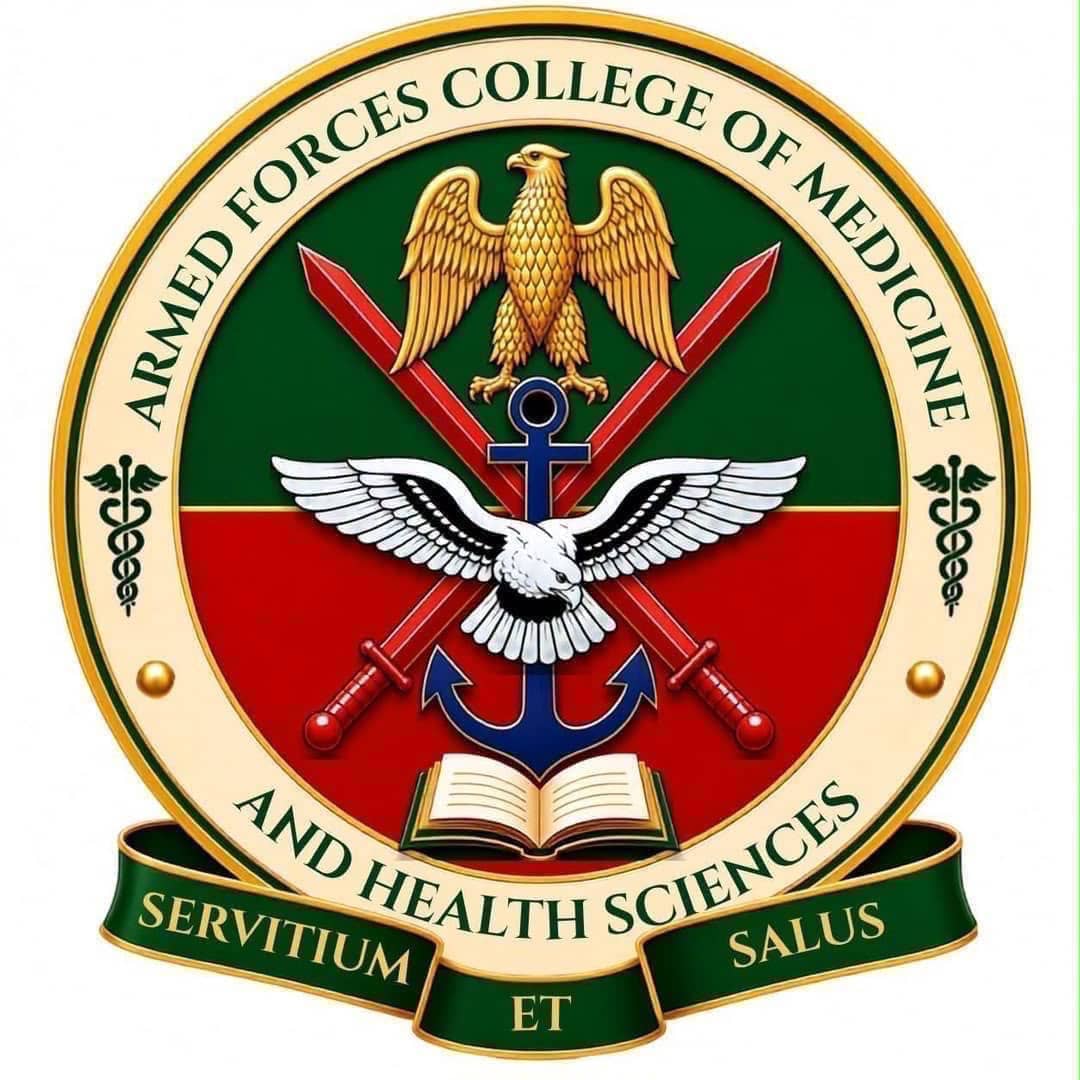


The Federal Government has advanced plans to establish the Armed Forces College of Medicine and Health Sciences (AFCOM-HS), a specialised institution designed to train medical professionals for the Nigerian military and strengthen the country’s healthcare workforce.
The institution, established under the Nigerian Defence Academy (NDA), is expected to combine conventional medical education with military training to produce doctors, nurses and other healthcare professionals capable of serving within the Armed Forces.

The college has been listed on the Joint Admissions and Matriculation Board (JAMB) portal for the 2026/2027 academic session, with a proposed pioneer intake of 100 cadets.
1. What is the Armed Forces College of Medicine and Health Sciences?

AFCOM-HS is a specialised medical institution established to develop healthcare professionals for the Nigerian Armed Forces.
Unlike conventional medical schools, the institution will integrate medical education with military training, discipline, leadership development and operational preparedness.
Its graduates are expected to support military healthcare services, including emergency response, trauma management and the treatment of injured military personnel.
2. Why is the Federal Government establishing it?
The initiative is aimed at addressing shortages of medical professionals within the Nigerian military and expanding Nigeria’s overall medical training capacity.
The Federal Government has highlighted a national deficit of approximately 340,000 doctors, despite the country’s population exceeding 240 million.
The military also requires specialised healthcare professionals who can respond to battlefield injuries, emergencies and other medical challenges associated with military operations.
3. Where is the college located?
The institution is located within the 68 Nigerian Army Reference Hospital in Yaba, Lagos State, under the Nigerian Defence Academy’s institutional framework.
Its location within an existing military medical facility is expected to support practical clinical training and access to healthcare infrastructure.
The Federal Government initially identified other military hospitals, including the 661 Nigerian Air Force Hospital, as potential clinical training partners.
4. How long will the programme last?
According to the Federal Government’s initial announcement, the comprehensive programme will run for eight years.
The proposed structure comprises:
* Six years of academic medical training.
* One year of structured military training.
* One year of housemanship.

The arrangement is designed to equip students with medical knowledge, practical clinical experience and the discipline required for military service.
5. What courses will be offered?
The institution is expected to train doctors, nurses and other specialised healthcare professionals.
The Federal Ministry of Education has confirmed National Universities Commission (NUC) approval for two programmes:
* Medicine and Surgery (MBBS).
* Nursing Science (B.NSc.).
Other allied health programmes are also part of the institution’s broader development objectives, although their specific admission details have not been fully announced.
6. Who will regulate the institution?
Several regulatory bodies are involved in ensuring that the institution meets national academic and professional standards.
They include the National Universities Commission (NUC), Medical and Dental Council of Nigeria (MDCN), Nursing and Midwifery Council of Nigeria and Joint Admissions and Matriculation Board (JAMB).
Their responsibilities include programme accreditation, admission oversight, quality assurance and compliance with professional training requirements.
Prospective medical students can visit the MDCN website for information about medical education and professional regulation in Nigeria.
7. How many students will be admitted?
The Federal Government has announced a proposed pioneer intake of 100 military medical cadets.
The first admission exercise is expected to cover the approved Medicine and Surgery and Nursing Science programmes.
However, applicants should consult official admission announcements for the final requirements, selection procedures and available spaces.
8. When will admissions begin?
The government initially targeted October/November 2026 for the commencement of admissions.
On 20 October 2026, the Minister of Education confirmed that the institution had been listed on the JAMB portal for the 2026/2027 academic session.
Prospective applicants can visit the JAMB website and its admission eligibility checker for relevant updates.
9. Will graduates become military officers?
The institution is designed to produce commissioned medical officers for service within the Nigerian Armed Forces.
Students will receive military training alongside their academic programmes, preparing them for the responsibilities associated with military healthcare.
The government expects this approach to improve the retention of medical professionals, reduce attrition and establish a sustainable pipeline of military healthcare personnel.
However, detailed service obligations and commissioning arrangements should be confirmed through official admission guidelines.
10. What does the institution mean for Nigeria’s healthcare system?

The establishment of AFCOM-HS could strengthen Nigeria’s medical education system by expanding specialised training opportunities and developing professionals in areas such as emergency medicine, surgery and trauma care.
It could also improve military healthcare delivery and position Nigeria as a potential regional centre for military medical training in West Africa.
However, its long-term success will depend on adequate funding, qualified lecturers, modern facilities, effective clinical partnerships and strict adherence to accreditation standards.
Finally, The Armed Forces College of Medicine and Health Sciences represents a significant development in Nigeria’s medical education and military healthcare system.
By combining medical education with military training, the Federal Government hopes to develop healthcare professionals who can serve the Armed Forces while contributing to national health security.
For prospective students, the institution offers a specialised pathway into medicine and nursing, with an additional commitment to military service.











 EduTimes Africa, a product of Education Times Africa, is a magazine publication that aims to lend its support to close the yawning gap in Africa's educational development.