

























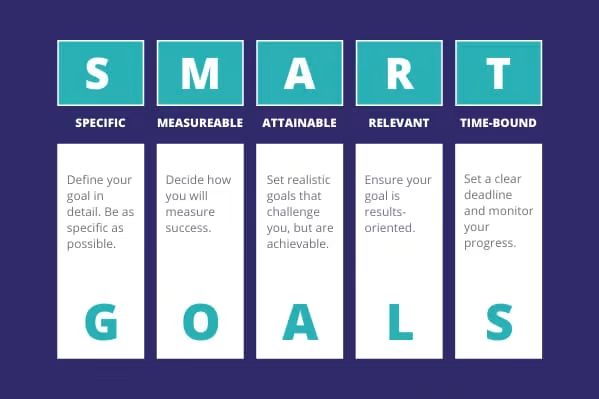


Setting SMART goals (Specific, Measurable, Achievable, Relevant, and Time-bound) can help you stay focused and motivated in your daily activities.
You might also like thesePosts



1. Specific:Clearly define your goal. Be specific about what you want to achieve. Instead of saying, “I want to exercise,” you could say, “I will jog for 30 minutes in the park.”

2. Measurable:Make sure your goal is measurable. You should be able to track your progress. For instance, if your goal is to drink more water, specify the amount, like “I will drink 8 glasses of water today.”

3. Achievable:Your goal should be realistic and attainable. Set a goal that challenges you but is still possible. Don’t aim too high or too low. Assess your capabilities and set a goal that you can realistically accomplish within the day.

4. Relevant:Ensure your goal is relevant to your overall objectives. It should align with your long-term plans or immediate needs. For example, if you’re studying for an exam, your daily goal could be to review a specific chapter that is crucial for the exam.

5.Time-bound:Set a specific time frame for achieving your goal. Without a deadline, there’s no sense of urgency. For instance, “I will complete reading a chapter by 4 PM today.”
Remember, it’s also important to review your goals regularly. At the end of the day, assess whether you’ve achieved your goal, and if not, analyze what went wrong and adjust your approach for the next day. This constant feedback loop will help you refine your goal-setting skills and improve your ability to achieve them.














 EduTimes Africa, a product of Education Times Africa, is a magazine publication that aims to lend its support to close the yawning gap in Africa's educational development.