

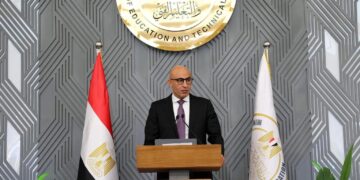

























Minister of Education, Dr Maruf Tunji Alausa, has called for stronger digital skills training in Nigerian schools, saying young people must be equipped with practical competencies to secure jobs, build businesses and compete in the global economy.
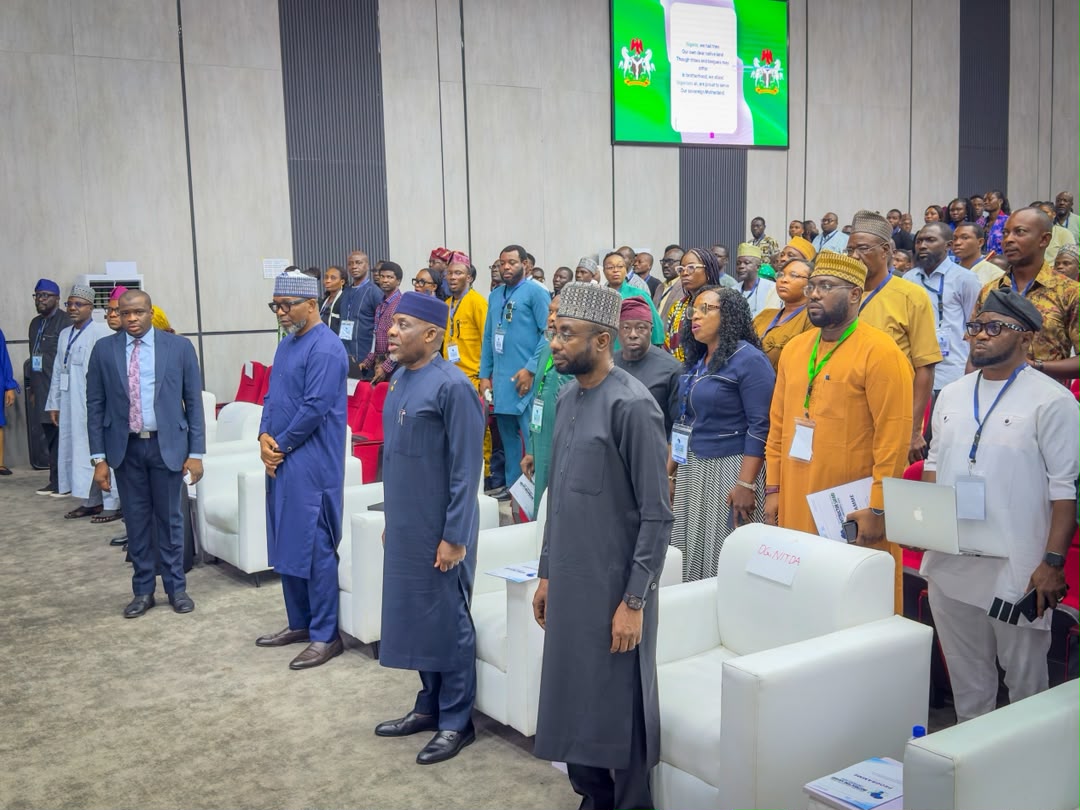
Alausa made the call while delivering the keynote address at the Cisco Networking Academy Instructor Safari Conference for English West and Central Africa, themed “Navigating the Future of Skills Development for the Nigerian Economy.”

He said the Federal Government was repositioning Nigeria’s education system to move beyond academic learning and prepare students for employment, innovation and entrepreneurship in an increasingly technology-driven world.
According to the minister, ongoing curriculum reforms will integrate digital technology from the primary school level to provide learners with a foundation for developing advanced digital skills.

He identified software development, networking, cybersecurity, data analytics, cloud computing and artificial intelligence as key areas of digital competence.
However, Alausa stressed that technical knowledge must be complemented by critical thinking, communication, teamwork and the ability to solve real-world problems.
He said the effectiveness of digital training should not be measured solely by examination results but also by learners’ ability to develop practical solutions, create useful products, improve services and establish sustainable businesses.
The minister called for stronger collaboration among educational institutions, employers and industry stakeholders to bridge the gap between training and employment.
He urged training providers to incorporate practical projects, mentorship, internships and recognised certifications into their programmes to ensure that learners acquire skills relevant to workplace demands.

Alausa also encouraged students to build portfolios demonstrating their practical achievements, noting that these could improve their prospects for employment, entrepreneurship and further learning.
He linked the reforms to President Bola Ahmed Tinubu’s Renewed Hope Agenda, saying technology-enabled education was essential to improving productivity, expanding economic opportunities and strengthening Nigeria’s competitiveness.
The minister explained that the Federal Ministry of Education’s six priority areas—Science, Technology, Engineering, Mathematics and Medical Sciences (STEMM); Technical and Vocational Education and Training (TVET); reduction of out-of-school children; girl-child education; data and digitalisation; and quality assurance—were designed to improve learning outcomes and prepare young Nigerians for emerging economic demands.
He further called for equitable access to affordable internet connectivity, digital devices and accessible learning resources, particularly for girls and young women, persons with disabilities, rural learners and those facing financial barriers.

In a related address, the Director-General of the National Information Technology Development Agency (NITDA), Kashifu Inuwa Abdullahi, highlighted the importance of digital skills in preparing Nigerians for changing workplace demands.
Drawing on his experience as a Cisco Networking Academy alumnus, Abdullahi urged instructors to prioritise complex problem-solving, critical thinking and lifelong learning rather than focusing solely on examination performance.
He also highlighted collaboration between NITDA and the Federal Ministry of Education to integrate digital literacy into school curricula and tertiary education.
Alausa reaffirmed the Federal Government’s commitment to expanding access to quality digital skills training and strengthening partnerships with industry and development partners.
He formally declared the conference open, expressing confidence that sustained investment in digital education would help produce skilled professionals, innovative entrepreneurs and a workforce prepared for the future economy.














 EduTimes Africa, a product of Education Times Africa, is a magazine publication that aims to lend its support to close the yawning gap in Africa's educational development.
