



























































Sudents and young Nigerians who rely on modern medicine, there’s a quiet but deadly threat growing in hospitals: antimicrobial resistance (AMR).
This occurs when bacteria and other microbes stop responding to antibiotics and other treatments — and it’s already responsible for over 60,000 deaths in Nigeria every year, with children under five among the most vulnerable.

Health experts say Nigerian hospitals and health centres need to step up their game, not just treat patients but actively prevent drug resistance from spreading.
The message came during the Commonwealth Pharmacist Association (CPA) Antimicrobial Resistance Impact Celebration and UK-ALF-A Fellowship Graduation at Babcock University.

“Antimicrobial resistance remains one of the most pressing health challenges of our generation,” said Pharmacist Ibrahim Babasheu Ahmed, Registrar of the Pharmacy Council of Nigeria, represented by Adenike Ogunlola.
“It threatens patient safety, food security, economic stability, and the sustainability of our health systems. No country is immune, and no single institution can solve it alone.”
The event highlighted how collaboration matters. By bringing together health systems, regulatory authorities, academics, and frontline workers, the Commonwealth partnership aims to protect the effectiveness of medicines while strengthening local leadership.
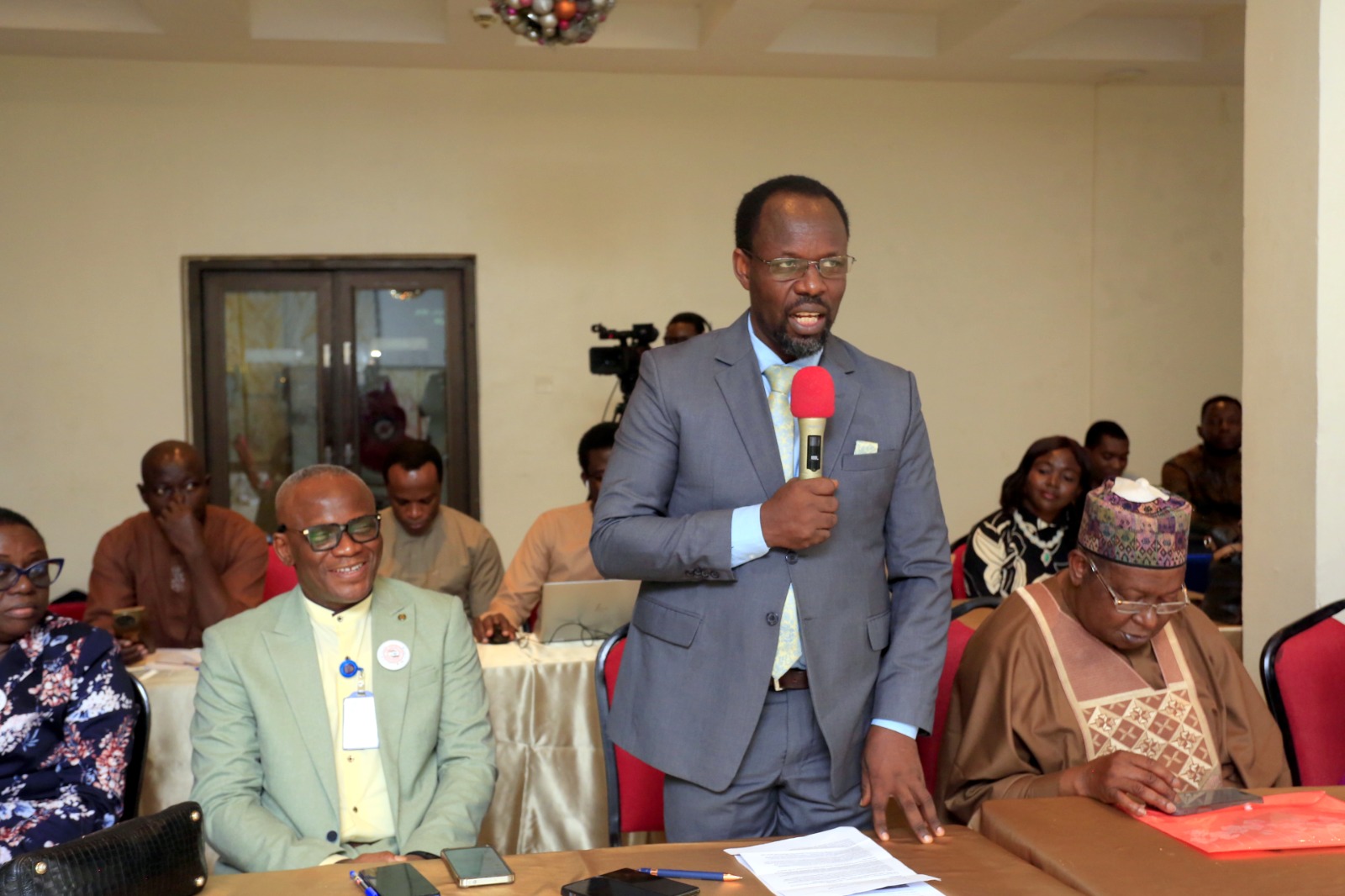
Pharm Ayuba Tanko Ibrahim, President of the Pharmaceutical Society of Nigeria, praised the fellowship programme, noting how fellows from different hospitals showcased what’s possible when global partnerships align with national priorities.
For hospitals like the Babcock University Teaching Hospital, AMR is borderless, quietly spreading through communities and health systems.
Prof. Titus Oyedele, Deputy CMD, stressed that the response must be collaborative, innovative, and sustainable.
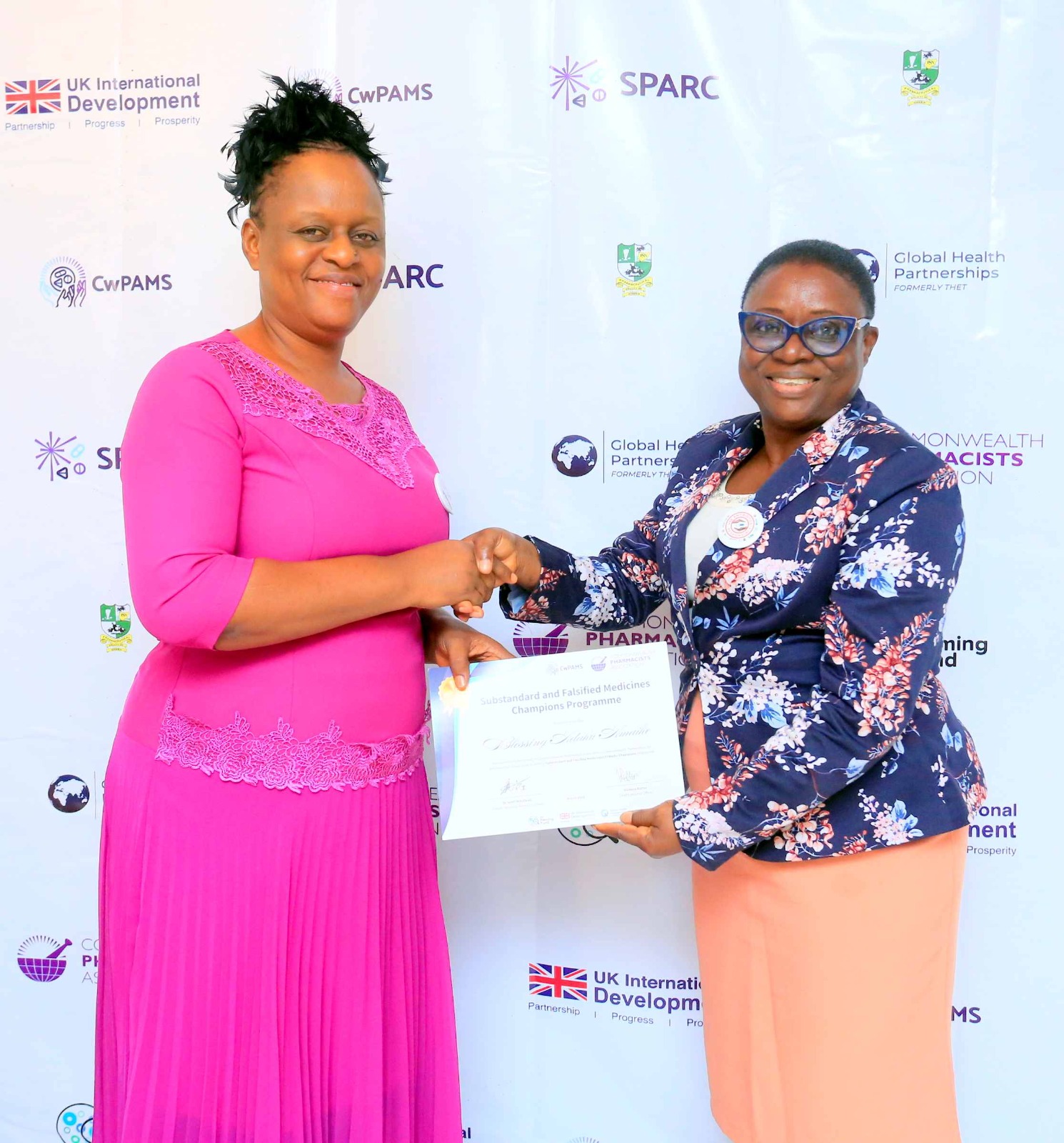
He also celebrated local success, noting that BUTH pharmacists Pharm Abimbola Olajide and Pharm Blessing Amaike earned fellowship and champion awards — achievements reflecting both personal dedication and institutional commitment.
Beyond recognizing achievements, the event emphasized practical steps hospitals must take. Pharm Mashood Lawal urged investment in 24-hour electricity for labs, better drug storage, and more proactive monitoring, pointing out that power outages and poor handling can reduce drug potency, worsening AMR.
The takeaway for students and young Nigerians is clear: the fight against AMR is not abstract. It affects the safety of every patient, the effectiveness of every drug, and the future of healthcare in the country. Fellows like Pharm Ifeoma Obi say the experience has renewed their passion:
“It is from here to the stars.”
AMR may be a global problem, but Nigerian hospitals and the young health professionals rising through them — have a chance to lead the fight locally, safeguarding lives today and for generations to come.
















 EduTimes Africa, a product of Education Times Africa, is a magazine publication that aims to lend its support to close the yawning gap in Africa's educational development.