





















































School holidays often take me back to my childhood, when December breaks meant weeklong church camps, visits to relatives, and long, unhurried days with parents and siblings.
Holidays were a time to connect, learn, and belong. Today, that rhythm feels lost.
As life grows busier and more individualistic, more young people are drifting further from family spaces, and the camaraderie that once defined holidays is gradually fading out.
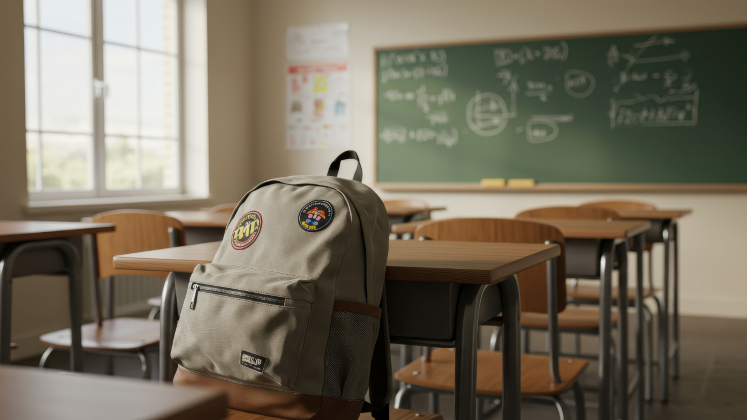
Yet academic holidays have not lost their meaning. What has changed is how we approach them. For instance, when schools close, does learning stop? Probably no.
The classroom is left aside, and the home, peer spaces, and communities take over. This transition shapes values, identity, emotional maturity, and direction in ways formal schooling alone cannot achieve.
A Different Situation
Today’s generation spends significant time with peers, and that reality deserves a fair reading. As they interact with their peers, they build confidence, social intelligence, and independence.
Many young people test ideas, leadership, and belonging within these spaces. Hanging out is not wasted time by default. It is often where communication skills are sharpened and worldviews are formed.

However, this time out should be regulated by adults, especially parents and guardians, to ensure that it is not misused.
But another harrowing reality is that family time, once a natural feature of school holidays, now competes with TV screens, phones, and unexplained withdrawal. Parents and guardians are present but distracted, and children are present but unengaged.
Emotional separation is now a reality. The tragedy of this situation is that when families cease to be safe spaces of joyful engagement and belonging, young people turn elsewhere for satisfaction and answers about identity, values, and direction.
An Advantageous Period
This is why holidays matter more than we often admit. They are one of the few yet best times to be present for each other, reconnect, share love, appreciate growth, and review or set new goals.
Moments where adults listen more than they instruct. These ordinary interactions do more to ground young people than many formal interventions.
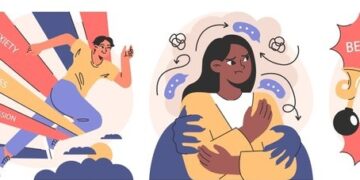
Rest is another underestimated gift of the holiday season. Beyond the academic homework they carry, learners also struggle with various forms of pressure, expectation, comparison, and anxiety. Keeping them on the move leaves little room for reflection.
Holidays allow their minds to recover, strategize and get more focused.
They also create space for resetting direction. Away from rigid routines, young people begin to notice interests that had been sidelined.
Reading for pleasure returns and the desire for more skills is rekindled. These moments help learners notice and appreciate who they are becoming.
Peer spaces during holidays also play a meaningful role. Informal sports, creative collaborations, volunteering, and group projects teach accountability and cooperation.
The challenge is not peer interaction itself, but the lack of intentional guidance. Your presence does not mean you must control them. It means you help them create boundaries, raise and sustain helpful conversations, and share expectations that help young people navigate freedom responsibly.
Holidays are also a season for strategy. Having honest conversations with your children about interests, strengths, and next steps shapes their confidence and expands their worldview.
Youngsters need adults willing to think about things and situations with them and offer perspective.
Reclaiming the Holidays
For families wondering how to reclaim the value of holidays without turning them into rigid programs, these few simple practices could come in handy:
- Create no-device moments where conversation can happen naturally and uninterruptedly
- Share meals regularly, even if briefly, without rushing, and enjoy the warmth of togetherness
- Encourage reading, skill exploration, or creative projects
- Allow young people to spend time with peers while maintaining clear boundaries
- Talk openly about goals, values, and questions, without rigidly focusing on outcomes
While lifestyles have changed, the need for shaping your kids with the right mindsets and skills remains. Modern education cannot replace the lessons that emerge from intergenerational exchange. It can only complement them.
I therefore urge you to treat this season with intention and passionately contribute to a crop of learners who return to school informed, self-aware, feeling loved, and ready for the road ahead.
How are you spending your holidays with your children?
______________________

Benvictor Makau is a multi-skilled Editor and Content Strategist, and a believer in the power of positive storytelling and solutions journalism in transforming society.
He’s a well-informed journalist and prolific writer on matters of Education, Literature, Health, Climate Change, and Leadership.
He is also the Founder and CEO of Benmak Virtual Assistants (www.benmakva.com), a company offering high-end virtual assistance services to professionals and their organizations across the world.
His contact: benvictorisaac@gmail.com.
Let’s connect: https://www.linkedin.com/in/benvictor-makau














 EduTimes Africa, a product of Education Times Africa, is a magazine publication that aims to lend its support to close the yawning gap in Africa's educational development.