









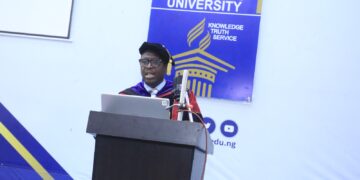








































I had the privilege of speaking at the 6th Global Talk Eco-Leaders of Tomorrow: Green Horizons & Future Skills and I spoke on the theme “Schools as Living Labs.”
I shared a simple but urgent message: the world’s biggest challenges, climate change, widening inequality, and environmental degradation are deeply connected. They can’t be solved with quick fixes or isolated projects. They require long-term thinking, shared responsibility, and a generation equipped not only with knowledge, but with the skills, values, and courage to act. And that journey begins in our schools.
Schools sit at the heart of every community. They engage young people consistently and early, shaping how they understand the world and their role in it. Education is therefore one of the most powerful levers we have for sustainable development. Schools are not just preparing learners for the future; through their priorities, practices, and daily decisions, they are actively shaping the kind of society we are becoming.
Schools as Living Labs

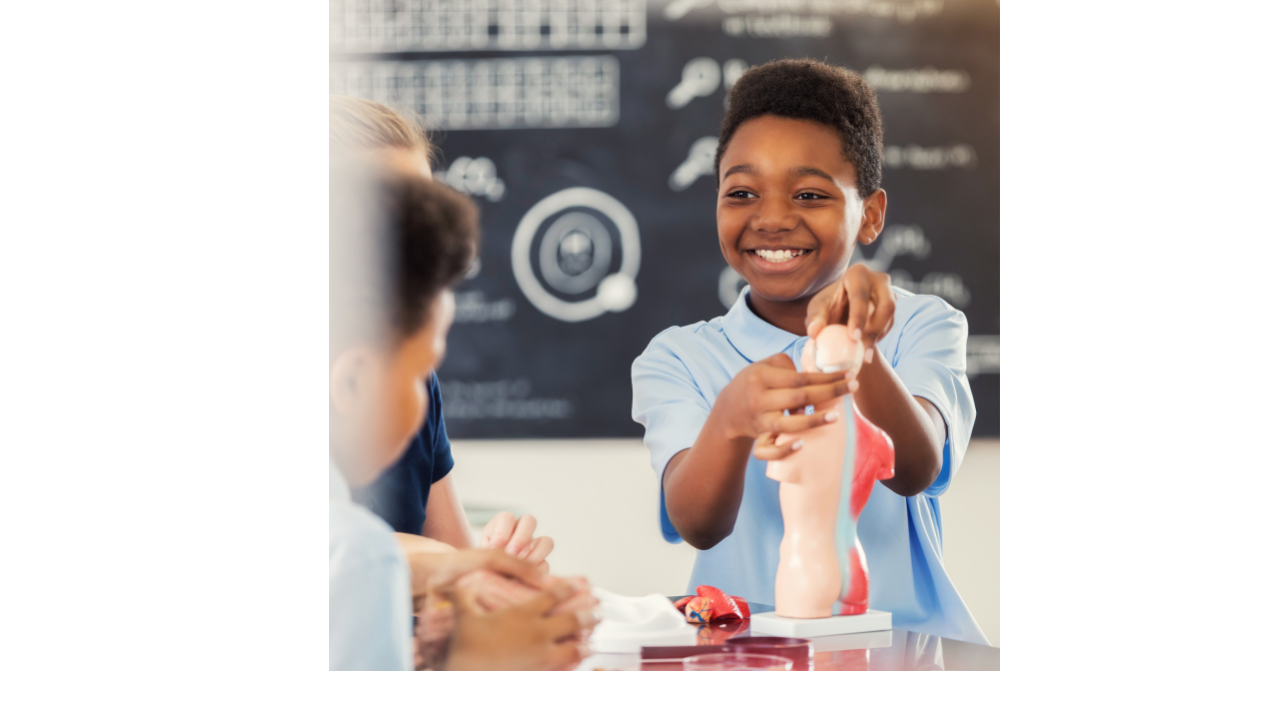
A school becomes a living lab when sustainability is not just taught, but truly lived. It’s woven into the buildings, the leadership decisions, the curriculum, and the everyday routines. Students, teachers, and the wider community work side by side to test ideas, try new approaches, and learn from real-world challenges as they unfold.
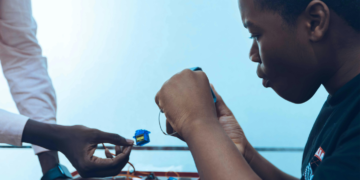
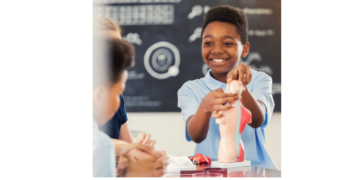
In this kind of environment, learning goes beyond theory. It’s rooted in action, reflection, and continuous growth. Students build practical skills, examine their own behaviors and choices, and think critically about long-term impacts. They learn not only how to respond to today’s challenges, but how to anticipate and prevent the consequences of tomorrow’s decisions.
What This Means in Practice
When a school operates as a living lab, sustainability becomes part of everyday life—not an add-on or a once-a-year initiative.
The campus becomes a classroom.
Energy use, water systems, waste management, and green spaces are no longer background operations. They become hands-on learning opportunities woven into lessons and projects.
Students are co-creators, not just participants.
They help design recycling programs, lead energy-saving campaigns, develop biodiversity projects, and shape climate action plans. Their ideas matter, and they see them come to life.
Real data drives real learning.
Learners track electricity consumption, measure water use, calculate carbon footprints, and audit food waste. They analyze what they find and use it to recommend meaningful improvements.
Behavior change is collective.
Sustainability becomes a shared responsibility. Students, teachers, and staff work together to build habits that reflect the values the school stands for.
In a true living lab, sustainability isn’t confined to a single subject or an awareness week. It’s reflected in how resources are used, how decisions are made, and how learning connects to real challenges beyond the classroom walls. Students learn by doing—testing ideas, observing outcomes, reflecting on what worked, and adjusting their approach. In doing so, they begin to understand what it means to meet today’s needs without compromising the ability of future generations to meet theirs.
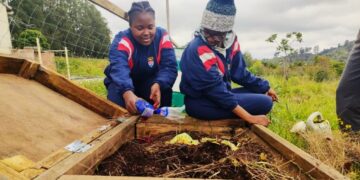
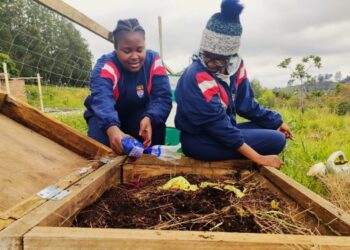
This might look like students monitoring campus energy use and proposing ways to reduce it, tending school gardens that connect learning to local food systems, or leading biodiversity and climate initiatives rooted in their own community.
The Power of Community-Led Sustainability
What truly brings school living labs to life is community leadership. Sustainability initiatives are most effective when they are locally owned, culturally relevant, and co-created by those who will live with their outcomes.
Schools are uniquely placed to act as bridges, connecting students and youth voices with families, local organizations, and traditional or Indigenous knowledge holders. In doing so, they create space for collaboration that feels grounded and meaningful.
When communities are involved as partners rather than passive recipients, sustainability shifts from an abstract concept to a lived experience. Students begin to understand that real change doesn’t arrive from somewhere else—it grows from within their own communities, built together through shared effort and responsibility.
Building the Skills, the Future Demands
Schools as living labs, guided by community-led initiatives, do more than tackle environmental challenges—they equip young people with the skills to navigate an uncertain and complex world.
Through hands-on sustainability projects, students develop systems thinking, learning to see connections rather than isolated problems. They gain leadership and agency by actively contributing to meaningful change, not just studying it. Collaboration becomes second nature as they work across disciplines, generations, and cultures. Tackling real-world challenges also sharpens critical and creative thinking, while fostering a sense of civic responsibility as learners understand their role in both local communities and the wider world.
These capabilities lie at the heart of Education for Sustainable Development, forming the foundation for peaceful, inclusive, and participatory societies.
Beyond the School Gates
The impact of schools as living labs extends far beyond the classroom. When students take action at school, their learning travels home, shaping households, neighborhoods, and entire communities. Schools start to influence local practices and mindsets, becoming shared community assets rather than closed institutions.
In this way, small, local actions add up to global progress. A school that models sustainable practices, fosters collaboration, and nurtures student agency becomes a quiet but powerful driver of the Sustainable Development Goals. Multiply this across thousands of schools, and local action turns into global momentum.
If we are serious about sustainability, we must be equally serious about the role of education. Leaders, educators, and policymakers need to see schools as innovation hubs, not just service providers. Sustainability must be woven into the fabric of school life, not treated as an add-on. Community-led approaches should be supported and trusted, rather than replaced by top-down solutions. And education strategies must align intentionally with the SDGs, not just be loosely connected to them.
The eco-leaders of tomorrow are already sitting in today’s classrooms. What they need are schools that function as living labs, strong partnerships with their communities, and the permission to lead. If we give them that, schools can become some of our most powerful engines for sustainable change.
______________________

Oluwatosin Osemeobo is a passionate lifelong learner, writer, sustainability advocate, and global educator with nearly two decades of impactful experience in the education sector. He is known as a prophetic guide and a wisdom voice, deeply committed to helping individuals—especially educators—rethink life, faith, and sustainable living in alignment with divine purpose.
Tosin holds a Nigeria Certificate in Education from FCT College of Education, Abuja, and a Bachelor of Education from Obafemi Awolowo University (OAU). His academic journey is further enriched with international certifications, including Inclusive Leadership from the Open University (UK), Sustainable Diet from the United Nations Climate Change program (UNCC), and multiple prestigious courses from the University of Cambridge in areas such as the UN Convention on the Rights of the Child, Trade Rules, and Sustainable Development.
He serves as the President and Convener of When TEACHERS Pray—a global virtual platform committed to nurturing the spiritual wellbeing of educators and igniting revival within school communities.
In this role, he leads with a passion for intercession, weaving together purpose, prayer, and personal growth to inspire transformation in both lives and classrooms.
Tosin is also a Transformational Thought Coach, hosting free and paid masterclasses for teachers and purpose-driven professionals through Thought Campus—a digital space and learning community that offers coaching, insight-driven masterclasses, and practical tools for personal transformation. His work blends practical wisdom with divine insight, helping people explore purpose, leadership, and destiny from upward perspective.
He designs and leads initiatives that position schools as hubs for sustainable development and teacher wellbeing, collaborating with organizations and educators globally to promote systems that are spiritually grounded, socially just, and environmentally conscious.
Currently based in Abuja, Nigeria, Tosin remains actively involved in the education space while contributing to global conversations on school sustainability, human rights, educator wellbeing, and spiritual leadership. Passionate about driving systemic change, he is open to speaking engagements, strategic partnerships, and consultancy opportunities that align with his vision of purpose-driven, globally impactful education.
Email: tosemeobo@gmail.com Phone: +234 806 561 1550
Linkedin: www.linkedin.com/in/oluwatosin-osemeobo-9b8a7a12a







 EduTimes Africa, a product of Education Times Africa, is a magazine publication that aims to lend its support to close the yawning gap in Africa's educational development.