




















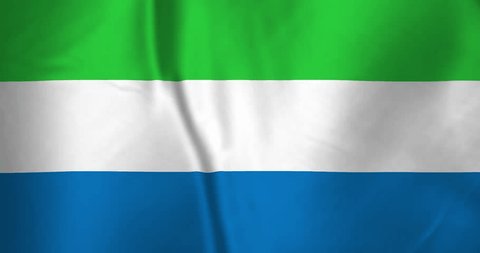


The Government of Sierra Leone, through the Ministry of Information and Civic Education, has urged citizens to approach discussions on the proposed Constitutional Amendment Bill with an understanding of the country’s long-term national interests rather than partisan political considerations.
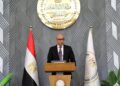


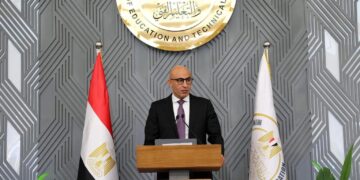
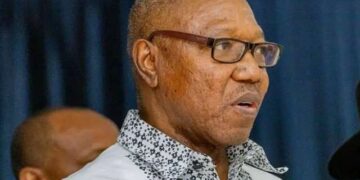
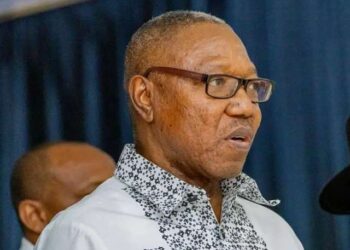
The call was made on Tuesday, August 18, 2026, during the Ministry’s Weekly Press Conference held at the Miatta Civic Centre in Freetown. The conference was hosted by the Deputy Minister of Information and Civic Education, Bockarie A.A. Bawoh.

Constitution belongs to the people
Addressing journalists and members of the public, Bawoh stressed that constitutional matters should not be viewed solely through the lens of political parties.

According to him, the Constitution is a national document that affects every citizen, regardless of political affiliation.
He urged citizens to consider proposed constitutional reforms based on their potential impact on the country’s democratic institutions and future, rather than allowing partisan interests to determine public opinion.
Bawoh also reflected on Sierra Leone’s political and constitutional development, noting that the country’s democratic system has evolved over time.
He cautioned against drawing conclusions based on comparisons with other countries or political systems without first understanding Sierra Leone’s own constitutional history and the circumstances that have shaped its institutions.
Reforms should not favour political parties
The Deputy Minister maintained that constitutional provisions should not be designed to permanently benefit any particular political party, group or administration.
He emphasised that the Constitution belongs to the people and should remain capable of protecting citizens and strengthening democratic institutions regardless of which political party is in power.
According to him, strong institutions and durable laws are essential to ensuring stability during political transitions.
Constitutional amendment must follow due process
Bawoh also addressed concerns about the process of amending the Constitution, stressing that constitutional changes cannot simply be introduced and implemented outside established legal procedures.
He explained that proposed amendments must go through the appropriate institutional and parliamentary processes, including the required debates, considerations and approvals before they can become law.
The Deputy Minister further highlighted the role of the judiciary, particularly the Supreme Court, in safeguarding constitutional governance.
He noted that where disputes arise over constitutional provisions or their interpretation, the country’s legal institutions provide mechanisms for resolving such disagreements.
He stressed that respect for the rule of law and the independence of constitutional institutions remain critical to maintaining public confidence in Sierra Leone’s democracy.
Citizens urged to verify information
As debate over the Constitutional Amendment Bill continues, Bawoh urged citizens to distinguish between political arguments and verified information.
He encouraged members of the public to seek accurate information about the actual contents of the proposed legislation rather than relying on speculation, misinformation or partisan interpretations.

He said meaningful public participation in constitutional reform requires citizens to understand what is being proposed, why the changes are being considered and how they could potentially affect governance and citizens’ rights.
National interest should guide reform
Bawoh maintained that constitutional reform should ultimately be guided by the national interest and the need to strengthen Sierra Leone’s democratic institutions.
While acknowledging that citizens and political actors may have differing views on the proposed reforms, he encouraged constructive debate and responsible civic engagement.

He stressed that disagreements over constitutional matters should be addressed through lawful and democratic channels.
The Weekly Press Conference provided an opportunity for the Ministry of Information and Civic Education to reinforce the importance of public awareness as Sierra Leone continues its constitutional reform discussions.
Bawoh called on citizens to remain engaged, ask questions and rely on credible information as they seek to understand the Constitutional Amendment Bill and its possible implications for Sierra Leone’s democratic future.










 EduTimes Africa, a product of Education Times Africa, is a magazine publication that aims to lend its support to close the yawning gap in Africa's educational development.