




















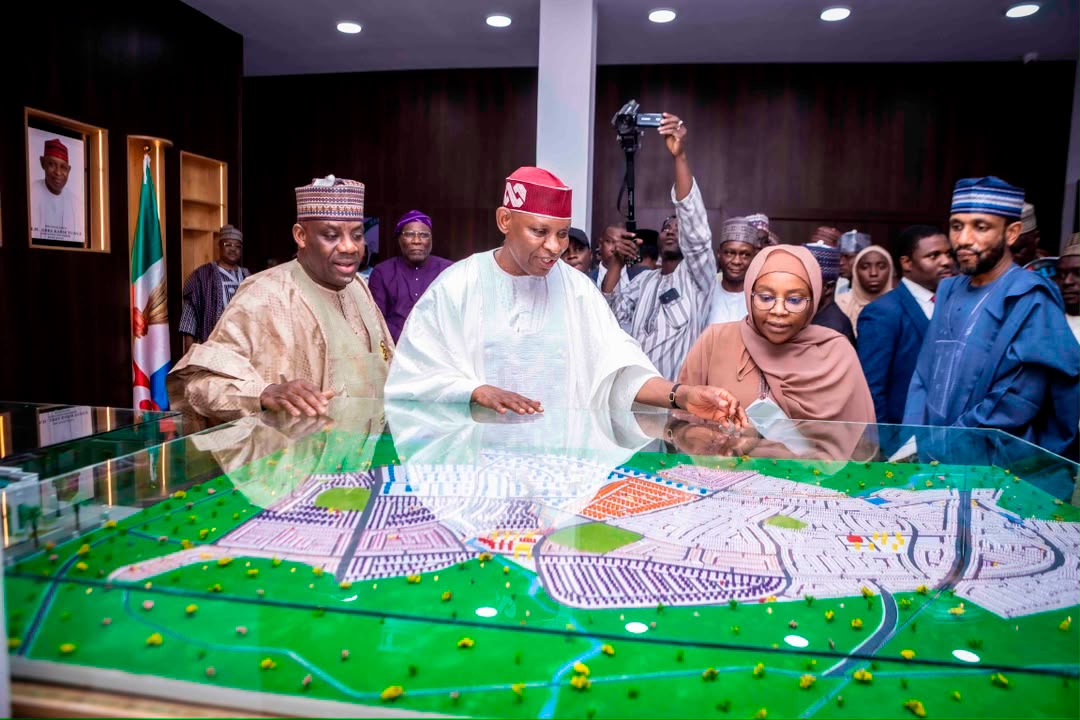


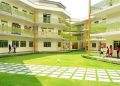
The Universal Basic Education Commission (UBEC) has said it has delivered nearly 4,000 classrooms across Kano State as part of efforts to improve access to quality basic education and advance the Federal Government’s Renewed Hope Agenda.

UBEC Executive Secretary, Aisha Garba, disclosed this during education engagements in Kano, where she joined the Minister of Education, Dr Maruf Tunji Alausa, Minister of State for Education, Prof. Suwaiba Sa’id Ahmad, and Governor Abba Kabir Yusuf to inspect UBEC-funded projects and witness the presentation of appointment letters to newly recruited teachers.

Garba said the newly constructed classrooms are providing safer and more conducive learning environments, increasing enrolment and improving learning opportunities for children across the state.
She, however, stressed that infrastructure alone cannot transform education without qualified teachers.


“Even where classrooms exist, without teachers, children cannot learn. That is why investments in teachers are investments in the future of our nation,” she said.

The UBEC boss commended the Kano State Government for recruiting more than 16,000 teachers over the past three years, describing the exercise as one of the country’s most significant investments in education.
According to her, the recruitment is helping to bridge the shortage of teachers, particularly in underserved communities, while improving access to quality teaching.
Garba noted that UNESCO estimates the world needs more than 44 million teachers to address the global teacher shortage, adding that Kano’s sustained investment in teacher recruitment places the state among governments taking practical steps to improve learning outcomes.
She praised Governor Yusuf for prioritising education and reaffirmed UBEC’s commitment to partnering with state governments to expand access to quality basic education through investments in school infrastructure, teacher development and learner-centred interventions.
Also speaking, Chairman of the Kano State Universal Basic Education Board (SUBEB), Malam Yusuf Kabir, said the recruitment followed a transparent and merit-based process guided by the state’s Teacher Policy, which includes aptitude tests and other assessment procedures for applicants.
Kabir said the newly recruited teachers would be deployed to schools where they are most needed and assured that continuous supervision, mentoring and evaluation would be carried out to improve teaching quality.
He also called on communities, development partners, corporate organisations and traditional institutions to support government efforts to strengthen basic education across the state.





 EduTimes Africa, a product of Education Times Africa, is a magazine publication that aims to lend its support to close the yawning gap in Africa's educational development.