


















































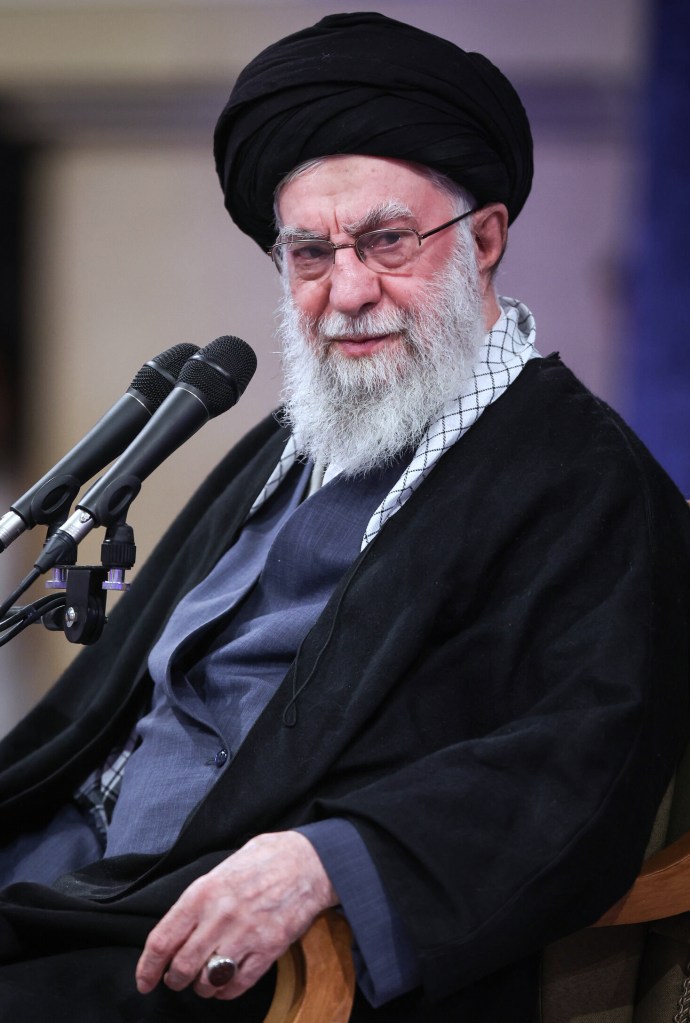


Iran’s state media has announced that the country’s Supreme Leader, Ayatollah Ali Khamenei, has been killed during coordinated air strikes reportedly carried out by the United States and Israel on Saturday morning (local time).
As of the time of publication, international independent verification is still developing. However, Iranian state broadcasters have confirmed the death and declared a 40-day period of national mourning.

Here is what readers need to understand.
Who Was the Supreme Leader?

In Iran’s political system, the Supreme Leader is the highest authority in the country. The office holds ultimate control over:
The armed forces
The judiciary
Major state institutions
Key foreign and security policies
The Supreme Leader’s authority surpasses that of the president. Any change in this position is therefore significant not just for Iran, but for regional and global politics.
What Triggered the Current Escalation?
The reported death followed waves of air strikes targeting Iranian military infrastructure.
US President Donald J. Trump said the operation was deliberate and described Khamenei as “one of the most evil people in history.” He also indicated that military operations could continue.
Israeli military officials say dozens of targets have been struck, including missile systems and command centres.
What Has Iran Said?
Iran’s state media confirmed the Supreme Leader’s death and said the Assembly of Experts — the clerical body responsible for appointing a new Supreme Leader — will begin the succession process.
Iran’s Islamic Revolutionary Guard Corps (IRGC) has vowed strong retaliation. Reports indicate that retaliatory strikes have been launched in parts of the Middle East where US military bases are located.
Casualty figures remain contested. Iranian authorities and rights groups report significant civilian and military deaths across multiple provinces.
Why This Matters Globally
Developments in Iran have global consequences because:
The Middle East is central to global oil supply.
Escalation could disrupt international trade routes.
Regional instability may affect global security alliances.
Financial markets typically react sharply to major geopolitical shocks.
For countries in Africa and elsewhere, potential effects could include rising fuel prices, inflationary pressure and economic uncertainty.
What Happens Next?
Several possibilities remain:
1. A new Supreme Leader is appointed quickly to stabilise Iran’s leadership structure.
2. Retaliatory strikes intensify, expanding the conflict.
3. Diplomatic intervention attempts to prevent further escalation.
At this stage, the situation is fluid and rapidly evolving.
EduTimes Africa will continue to monitor verified developments and provide context to help readers understand how global events shape politics, economics and international relations.









 EduTimes Africa, a product of Education Times Africa, is a magazine publication that aims to lend its support to close the yawning gap in Africa's educational development.