
























The Federal Government has directed vice-chancellors, rectors and provosts across the country to dismiss any student found culpable, after due investigation, of involvement in kidnapping or related crimes.



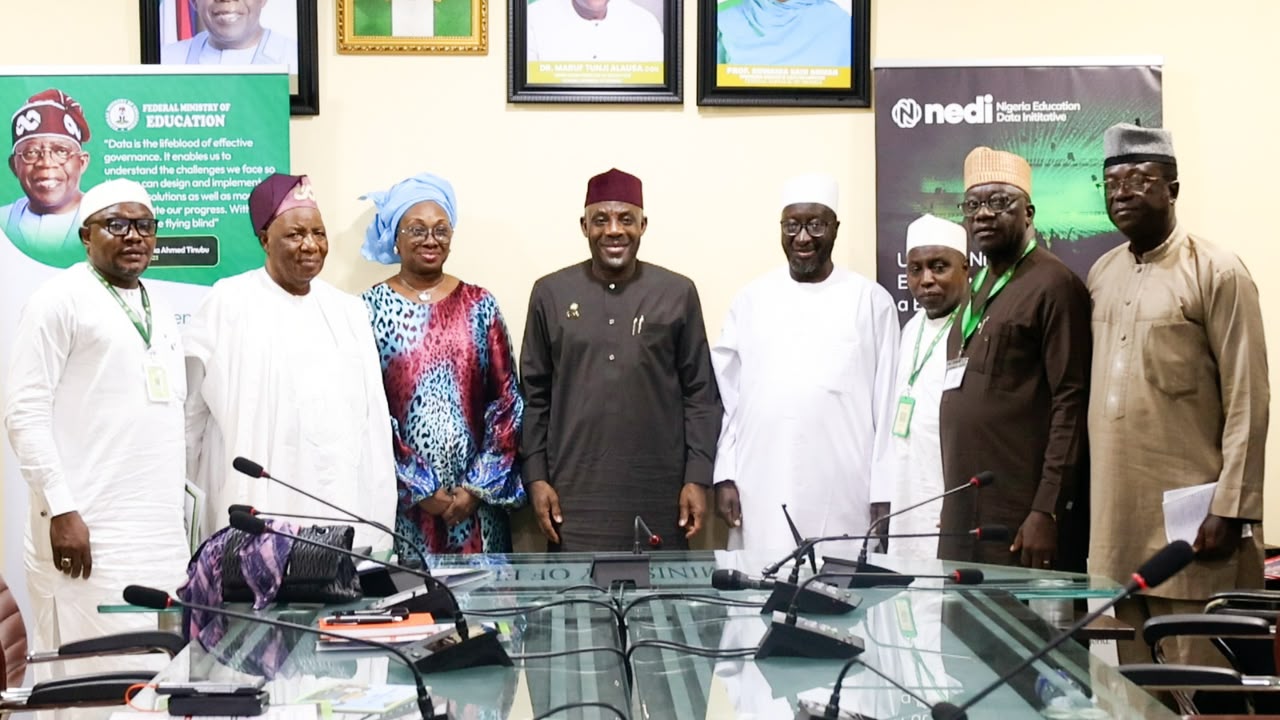
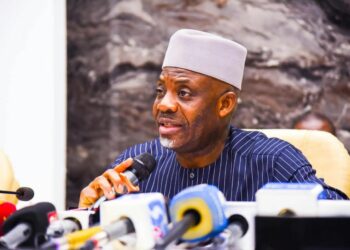
The Minister of Education, Dr. Maruf Tunji Alausa, gave the directive during a meeting with the Governing Council and Management of the Federal University of Lafia (FULafia) in Abuja.

He also instructed heads of tertiary institutions to strengthen internal intelligence systems and work more closely with the Department of State Services (DSS) and other security agencies to improve campus safety.
According to the minister, although Nigerian universities, polytechnics and colleges of education remain largely safe, recent isolated incidents involving students outside campuses highlight the need for stronger security measures.

“We have a collective responsibility to protect every Nigerian child, from primary school to tertiary education. While our campuses remain safe, we must continue to strengthen intelligence gathering and work closely with our security agencies to ensure that students are protected both within and outside our institutions,” Alausa said.
The minister disclosed that he recently met with the Minister of Defence, Gen. Christopher Musa (retd.), to develop a coordinated strategy aimed at strengthening the Safe Schools Initiative and improving the protection of learners nationwide.
He reaffirmed President Bola Ahmed Tinubu’s directive that no government institution should negotiate with or pay ransom to kidnappers, warning that doing so only encourages criminal activities.
“If you tolerate bad behaviour for too long, it becomes a culture. Any student found culpable, after due investigation, of planning or participating in the kidnapping of fellow students has no place in our tertiary institutions. Such individuals must be dismissed. Our campuses must never become safe havens for criminal elements,” he said.

Alausa also announced that the Federal Government would support security enhancement projects in tertiary institutions through the TETFund 2027 intervention programme, including perimeter fencing and other critical security infrastructure.
He urged eligible institutions to submit their requests early for consideration.

The minister further reaffirmed the government’s commitment to expanding the Energising Education Programme in collaboration with the Federal Ministry of Power to improve electricity supply in higher institutions through expanded solar infrastructure and battery storage.
Earlier, the Pro-Chancellor of the Federal University of Lafia, Hon. Lola Fibisola Akande, commended the minister for supporting the institution but identified student accommodation, power supply at Campus 2 and insecurity as major challenges.
She disclosed that some students of the university were suspected to be involved in kidnapping activities carried out off-campus and stressed that the institution strongly opposes the payment of ransom to secure the release of victims.
The Vice-Chancellor of the university, Prof. Mohammed Isa Kida, also praised the minister for the Federal Government’s reforms in the education sector.
He appealed for the extension of the Energising Education Programme to the university’s second campus and requested additional office accommodation and increased staffing to improve teaching, research and administration.
Responding, Alausa advised the university to submit formal requests under the relevant intervention programmes, assuring the institution that projects meeting the required criteria would receive due consideration.
He reiterated the Federal Government’s commitment to investing in safer schools, stronger institutions and improved infrastructure to build a globally competitive higher education system.









 EduTimes Africa, a product of Education Times Africa, is a magazine publication that aims to lend its support to close the yawning gap in Africa's educational development.