
























The Universal Basic Education Commission (UBEC) has raised concerns over the poor utilisation of education intervention funds by state governments, revealing that approximately ₦267 billion already released for basic education projects remains unspent across the country.



UBEC also disclosed that more than ₦65 billion in counterpart funding is yet to be accessed by states, despite persistent challenges facing Nigeria’s basic education sector.

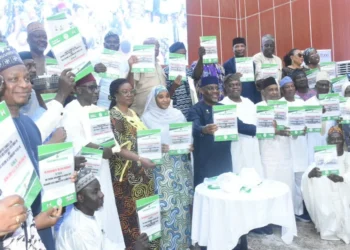
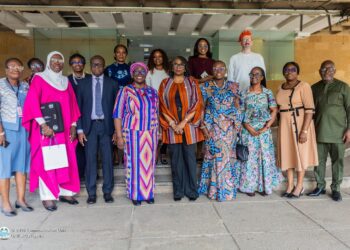
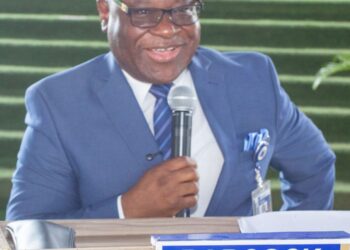
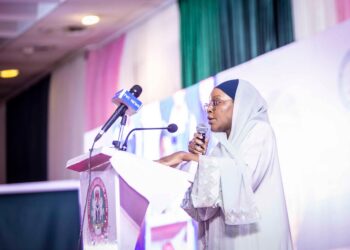
The Executive Secretary of UBEC, Dr. Aisha Garba, disclosed this during the opening of the 30th Quarterly Meeting of UBEC Management with Executive Chairpersons of State Universal Basic Education Boards (SUBEBs) in Asaba, Delta State.
The meeting, themed “Repositioning Basic Education in Nigeria to Optimise Investment and Impact,” brought together education administrators, development partners and policymakers to review progress and identify strategies for improving basic education delivery nationwide.

UBEC Urges States to Convert Funding into Learning Outcomes
Garba said states had already accessed more than ₦177 billion in Universal Basic Education (UBE) Matching Grants, but warned that the real challenge was ensuring that available resources translate into improved teaching, better infrastructure and stronger learning outcomes.
> “Accessing funds is only part of the responsibility before us. These resources cannot improve education while they remain in accounts,” she said.
She urged state governments to strengthen project planning, implementation, monitoring and accountability to ensure education investments deliver measurable benefits for pupils and schools.

Strategic Roadmap, Digital Planning and HOPE-EDU
Garba announced that UBEC has commenced the review of its Ten-Year Strategic Roadmap, extending it to cover 2026–2035 to align investments with emerging priorities in Nigeria’s education sector.
She also unveiled the Basic Education Action Plan Management System (BEAP-MS), a digital platform designed to simplify the preparation and submission of state education action plans while improving coordination between UBEC and SUBEBs.
According to her, the Commission is also implementing the Whole School Approach, which integrates classroom construction, furniture, water and sanitation facilities, perimeter fencing and other infrastructure within selected schools to create functional learning environments.
Garba further encouraged states to prepare for the HOPE-EDU Programme, a major education reform initiative expected to strengthen education systems, institutional capacity and service delivery.
Delta Highlights Education Investments
Speaking through the Deputy Governor, Sir Monday Onyeme, Governor Sheriff Oborevwori said Delta State remains committed to investing in quality education under the state’s MORE Agenda.
He noted that Delta has consistently fulfilled its counterpart funding obligations and has invested in classrooms, SMART Schools, technical and vocational education, teacher support, solar-powered facilities and improved learning infrastructure.
The governor also welcomed UBEC’s approval of two additional Model SMART Schools for the state.
Asagba Calls for Focus on Learning Outcomes
The Asagba of Asaba, Prof. Epiphany Azinge, described education as Nigeria’s most valuable national investment, urging education authorities to focus less on expenditure and more on measurable learning outcomes.
He stressed that the country’s true wealth lies in the quality of its human capital and called for stronger support for girls, children with disabilities, rural learners and other vulnerable groups.

Why the Unspent Funds Matter
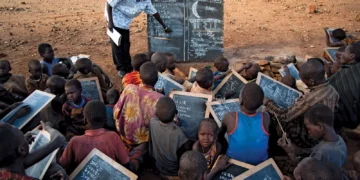
Nigeria continues to face significant challenges in its basic education system, including inadequate infrastructure, teacher shortages, poor learning outcomes and one of the world’s largest populations of out-of-school children.
Education stakeholders believe that accelerating the utilisation of available intervention funds could improve school facilities, strengthen teacher development, expand access to quality education and enhance learning outcomes for millions of children.
UBEC said it will continue working with states, development partners and other stakeholders to improve accountability, strengthen resource utilisation and ensure that education investments deliver meaningful results in classrooms across Nigeria.







 EduTimes Africa, a product of Education Times Africa, is a magazine publication that aims to lend its support to close the yawning gap in Africa's educational development.