





















































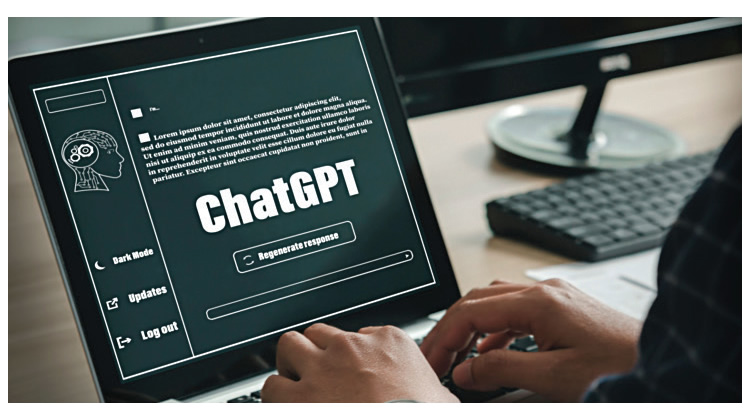


Microsoft has agreed to implement new privacy and safety standards for artificial intelligence tools used in schools, following growing concerns over how student and educator data is collected and used by AI systems.



The agreement, developed with the American Federation of Teachers, AFT, will introduce new safeguards for students, teachers and schools from November 1.

Under the new standards, Microsoft will not use student or educator data from covered school AI tools for AI training, advertising or product development, except in limited circumstances.
The agreement also includes restrictions on AI features considered emotionally manipulative and requires audits of the technology.

Microsoft will further be required to provide clearer information to families about how its AI tools work and how data is handled.
The move comes as schools in the United States increasingly adopt artificial intelligence for teaching, learning, assessment and administrative activities, while concerns continue to grow over student privacy and the use of children’s data.
The new standards are expected to apply nationwide in the United States and could influence discussions about responsible AI use in education, particularly in the absence of comprehensive federal legislation governing AI in schools.
New York City and Los Angeles, the two largest school districts in the United States, have paused student AI use while reviewing its implications.
The development has also placed pressure on other major technology companies that provide AI-powered educational tools.
According to reports, OpenAI and Anthropic are in discussions with the American Federation of Teachers over similar safeguards, while Google has not committed to an equivalent agreement.

Education advocates have welcomed Microsoft’s move, saying stronger privacy standards could give schools greater protection when negotiating the use of AI technology.
However, experts have cautioned that voluntary agreements by individual technology companies may not be sufficient to establish consistent protections across the education sector.
The development highlights a growing question for schools globally: as artificial intelligence becomes more integrated into classrooms, how should institutions protect students’ personal information while still benefiting from AI-powered learning tools?
For schools and educators adopting AI, the issue extends beyond the technology itself to questions of data protection, transparency, parental awareness and responsible use.
Source: Associated Press















 EduTimes Africa, a product of Education Times Africa, is a magazine publication that aims to lend its support to close the yawning gap in Africa's educational development.