





















The Senior Staff Association of Nigerian Universities (SSANU) has called on the Federal Government to fully implement its 2026 agreement with the union and settle all outstanding financial obligations, including arrears.

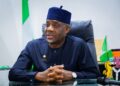

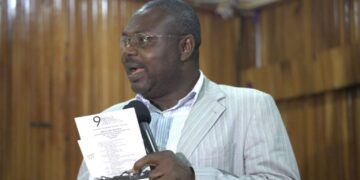
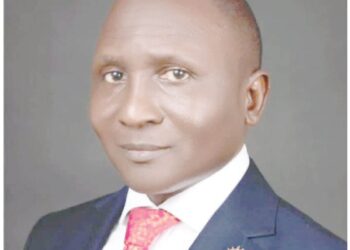
The union made the demand in an Independence Day message signed by its National President, Comrade Mohammad Haruna Ibrahim, as Nigeria marked its 66th Independence Anniversary.

SSANU said the agreement, which took effect on January 1, 2026, could not be considered fully implemented while legitimate entitlements owed to university workers remained unpaid.
“The Agreement took effect from 1st January 2026, although it was formally signed on 29th June 2026, and the financial obligations arising from the effective date, including all outstanding arrears, must therefore be addressed,” Ibrahim said.

The union urged the Federal Government to release the necessary funds to universities and inter-university centres to enable them to implement both the financial and non-financial provisions of the agreement.
SSANU also called on state governments to ensure that workers in state-owned universities benefit from negotiated improvements in their conditions of service, regardless of the ownership of the institutions.
The association linked its demands to the rising cost of living, noting that increasing expenses on food, transportation, electricity, housing, healthcare and education were putting pressure on workers and their families.
It urged governments at all levels to implement policies that would reduce living costs, protect workers’ purchasing power and strengthen domestic production.
On the university system, SSANU called for sustainable and predictable funding to address challenges including inadequate electricity, obsolete equipment, insufficient laboratories, weak digital infrastructure, deteriorating facilities and limited support for research and staff development.
The union also stressed the importance of non-academic staff to the effective operation of universities, citing workers in registry, bursary, audit, library, ICT, health, security, engineering, works, laboratories and other professional and administrative units.
SSANU further raised concerns about insecurity and its impact on education, agriculture and food production, calling for improved intelligence gathering, community engagement, security technology and better-equipped security agencies.

It urged the government to strengthen the connection between university research and practical solutions in areas such as agriculture, biotechnology, engineering, climate science and food technology.
The union also called for stronger institutions, transparency, respect for the rule of law and responsible management of public resources.
As Nigeria approaches the 2027 general elections, SSANU urged political parties, candidates, electoral institutions, security agencies and citizens to conduct themselves peacefully and responsibly.

It called for an electoral process free from violence, ethnic division, religious hostility and intimidation, while urging workers and other citizens to scrutinise the policies, programmes and records of political candidates before making their choices.
Ibrahim said SSANU would continue to defend the rights and welfare of its members, demand the implementation of agreements reached with government and advocate for accessible and properly funded public education.
“Political independence must ultimately translate into economic security, social justice, quality public services and a life of dignity for the Nigerian people,” he said.





 EduTimes Africa, a product of Education Times Africa, is a magazine publication that aims to lend its support to close the yawning gap in Africa's educational development.