




















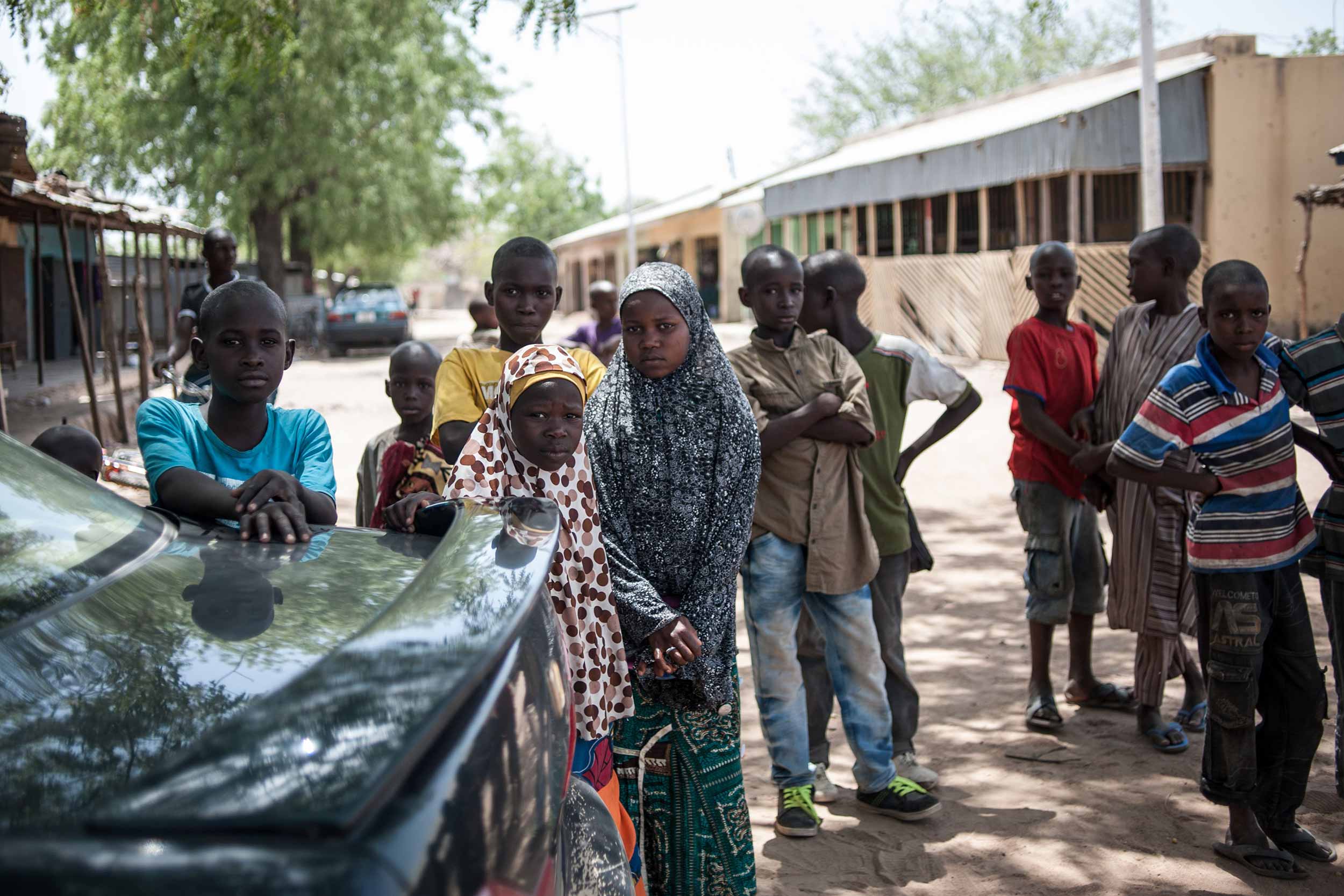


 Previously, I have explored the different ways Africa can make education more productive, relevant and worth the investment, from improving learning outcomes and strengthening skills to rethinking how our schools prepare young people for the future.
But one question keeps coming back to me: how can we improve education for everyone when millions of children are still not in school at all?
Do you know that the 2026 UNESCO Global Education Monitoring Report reports that 273 million children and young people were out of school globally in 2024? And out of these, a whopping 118 million are from across Africa!
The report highlights population growth, conflict, and constrained education financing as key factors behind the continued exclusion, with sub-Saharan Africa among the regions most affected.
For the last seven years, these numbers have been ballooning, raising worries about whether any suitable action is being taken.
With education being a right for every child, why are so many African children still unable to access and gain from it?
Connected Barriers
For many families, poverty remains the starting point. Even where tuition is officially free, education can carry costs for transport, uniforms, materials, meals, and other necessities.
In Eastern and Southern Africa, UNICEF estimates that 47 million children aged 6 to 17 were out of school in 2024. Nine in ten children from the poorest households in the region are estimated never to have accessed or stayed in school long enough to complete primary education.
Then there is child labour. UNICEF reported in February 2026 that 41 million children in Eastern and Southern Africa were engaged in child labour in 2024. At least six in ten adolescents involved in child labour were out of school, compared with two in ten of their peers.
Conflict and displacement create another devastating break in education. In eastern Democratic Republic of the Congo, escalating violence in early 2025 forced more than 2,500 schools and learning spaces to close. For displaced children, returning to education can become harder when families are moving, schools are damaged, and basic services are disrupted.
Disability is another major gap. UNICEF notes that children with disabilities are more likely to have never attended school or to drop out because of stigma, inaccessible facilities, inadequate materials and a shortage of trained teachers.
Sometimes the barrier is simply that the school is too far away, unsafe or overcrowded.
What Will It Take to Bring Them Back?
The numbers tell us who is being left behind. The next question is what we do about it. Bringing millions of children back into education will require action at several levels, from identifying those outside the system to removing the barriers that keep them there.
1. Find the Children
Governments cannot solve an access problem they cannot accurately see. Children leave school for different reasons, including poverty, conflict, displacement, disability, family responsibilities, and distance from school.
How can we solve this?
Governments and local authorities should strengthen systems for identifying children who are out of school and understanding why they left. Schools can work with community leaders, health workers, social services and youth organisations to find families who may otherwise remain invisible to the education system.
2. Remove the Cost Barrier
For families living in poverty, the cost of getting a child to school can compete directly with the cost of putting food on the table.
Governments can combine school meals with measures such as transport support, cash transfers, fee relief, uniforms and learning materials. WFP reported that government-led school meal programmes in sub-Saharan Africa reached 87 million children in 2024, up from 66 million in 2022.
Yet millions remain unreached. UNESCO’s 2026 GEM Report also notes that cash transfers linked to school attendance have been associated with increased enrolment.
3. Make Returning Possible
A child who has missed several years of school cannot always return successfully through a system designed for continuous attendance.
Schools need flexible pathways back into learning, including catch-up programmes, accelerated learning and flexible schedules. Returning learners should be supported according to their age and learning needs rather than simply being expected to start again from the beginning.
4. Make Inclusion Real
Getting a child through the school gate does not guarantee meaningful access to education. Children with disabilities, girls facing safety barriers, and children affected by conflict or displacement can still be excluded once they enter the system.
Inclusion requires accessible facilities, trained teachers, appropriate learning materials, safe learning environments, and support for children facing disruption or displacement. Parents also have a role in working with schools when attendance or learning begins to decline.
5. Fund the Promise
No community initiative can substitute for a properly financed public education system. Low-income countries face an estimated US$97 billion annual financing gap to meet their national SDG 4 targets by 2030.
African governments need to protect education in national budgets, improve how resources reach disadvantaged schools and communities, and make spending transparent.
You might also like thesePosts



Organisations such as Theirworld, UNICEF and Education Cannot Wait have made important contributions to reaching children affected by poverty, conflict and crises. Their support can strengthen public systems, but it cannot replace sustained government investment.
The Children Must Remain at the Centre
Africa has made enormous progress in expanding access to education since 2000. The unfinished task is reaching the children who remain at the margins.
That means finding them, understanding what pushed them out, removing those barriers and giving them a realistic path back.
Every stakeholder has a role: governments in policy and financing; local authorities in identification; schools and teachers in support; communities in reaching families; parents in engagement; and development partners in strengthening what already exists.
Millions of African children are still out of school. The number is staggering, but the response cannot stop at counting them. It must begin with understanding each child’s reality: What pushed them out? What stands in their way? And what will it take to open the door back to learning?
Africa cannot afford to let millions of children remain statistics. Every child left outside the education system represents an opportunity deferred, a future narrowed, and a promise yet to be fulfilled.



______________________
Benvictor Makau is a multi-skilled Editor and Content Strategist, and a believer in the power of positive storytelling and solutions journalism in transforming society.
He’s a well-informed journalist and prolific writer on matters of Education, Literature, Health, Climate Change, and Leadership.
He is also the Founder and CEO of Benmak Virtual Assistants (www.benmakva.com), a company offering high-end virtual assistance services to professionals and their organizations across the world.
His conact: benvictorisaac@gmail.com.
Let’s connect: https://www.linkedin.com/in/benvictor-makau












 EduTimes Africa, a product of Education Times Africa, is a magazine publication that aims to lend its support to close the yawning gap in Africa's educational development.