

























African education experts are set to converge in Dar es Salaam, Tanzania, from 22 to 25 September 2026 for the sixth conference of the African Curriculum Association, with artificial intelligence, curriculum reform, teacher development and 21st-century competencies expected to feature prominently.

The four-day conference, organised in collaboration with the Tanzania Institute of Education and the Zanzibar Institute of Education, will bring together curriculum developers, researchers, policymakers, teachers, trainers, university lecturers and postgraduate students from across Africa and beyond.
The conference comes as artificial intelligence and other digital technologies continue to change the skills required in the workplace. African education systems are therefore facing growing pressure to reconsider what learners should be taught and how teachers should prepare students for a labour market increasingly influenced by technology.

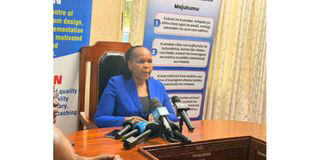
According to Tanzania’s Director-General of the Tanzania Institute of Education, Dr Aneth Komba, the discussions will examine how African countries can develop curricula that equip learners with competencies, practical skills and values needed to respond to contemporary challenges. She said education should not be limited to classroom knowledge but should enable learners to apply what they have learnt to solve problems within their communities.
AI is expected to be one of the major issues at the conference. Participants will examine how technology can be incorporated into teaching and learning while considering the implications of rapidly changing digital tools for curriculum design, assessment and teacher preparation. The programme also includes discussions on inclusive education, competency-based education and lifelong learning.

The African Curriculum Association has also stressed that curriculum reform should reflect Africa’s own realities. Its Secretary-General, Dr Gertrude Namubiru, said curriculum development should not focus solely on technology but should take into account Africa’s history, cultures, communities and development challenges. The emphasis is therefore on ensuring that technological advancement does not come at the expense of locally relevant education.

The conference will also provide Tanzania with an opportunity to share its experience of recent education reforms. The Tanzania Institute of Education said the country has implemented changes linked to its Education and Training Policy, including curriculum reforms that began in January 2024. Tanzania is expected to share experiences from these reforms while learning from other African countries.
The discussions form part of a wider continental conversation about the future of education. UNESCO’s regional education calendar identifies the ACA conference as one of the major multi-country education events taking place in Africa in September 2026, alongside discussions on teacher development, digital learning, AI, competency-based education and lifelong learning.
For African schools and universities, the central question extends beyond whether AI should be used in education. It also concerns whether teachers are being prepared to use emerging technologies effectively, whether assessment systems can adapt to AI-assisted learning and whether curricula are giving learners the human, technical and problem-solving skills required in changing economies.
The conference in Dar es Salaam is expected to provide a platform for African education stakeholders to exchange research, experiences and innovations on these issues as countries continue to rethink how their education systems can respond to the demands of the 21st century.













 EduTimes Africa, a product of Education Times Africa, is a magazine publication that aims to lend its support to close the yawning gap in Africa's educational development.