






















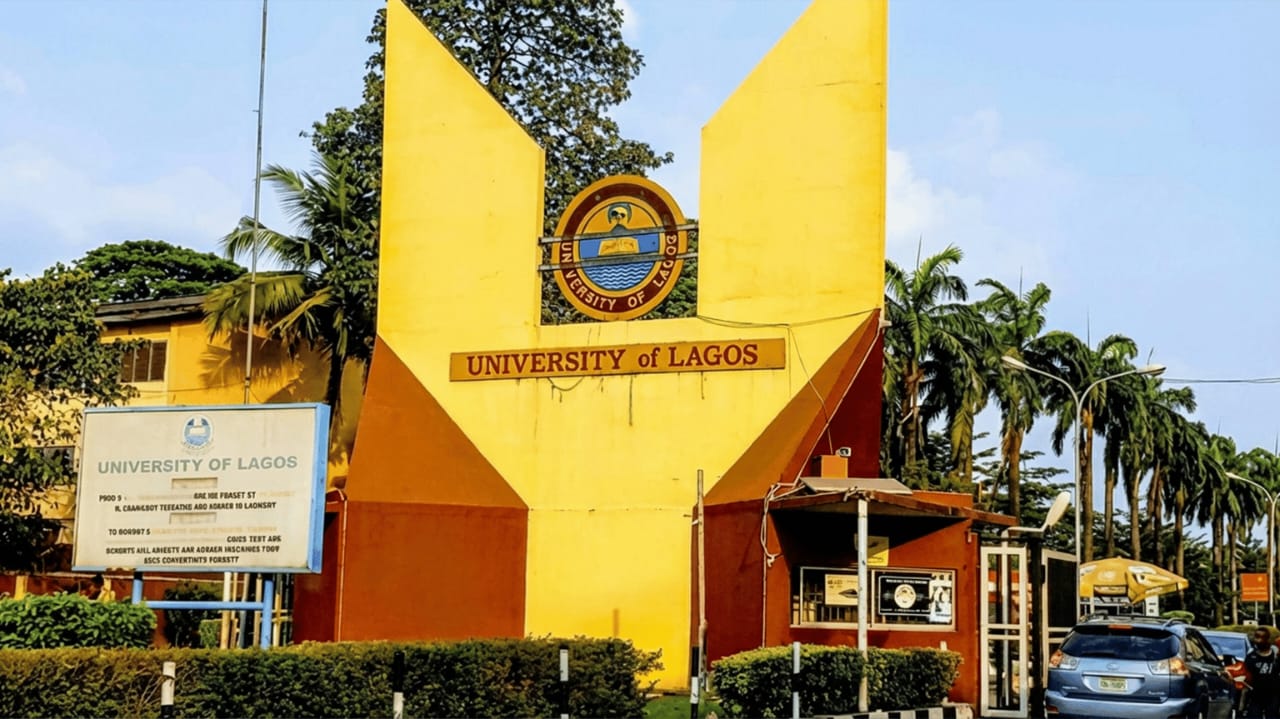


The University of Lagos (UNILAG) has emerged as Nigeria’s highest-ranked institution in the 2027 QS World University Rankings: Sustainability, climbing more than 700 places to secure a joint 697th position globally.
The latest ranking represents a significant improvement from the university’s previous position in the 1401–1500 band, highlighting its growing performance in sustainability, research, institutional governance and environmental responsibility.

The achievement, announced on Tuesday, November 17, 2026, also places UNILAG 14th among 82 African universities featured in the rankings, ahead of several established institutions across the continent.
According to the Nigerian Tertiary Education Ranking Advisory Committee (NiTERAC), the university recorded improvements across all 11 indicators assessed by Quacquarelli Symonds (QS), with its strongest gains in Environmental Education, Governance and Equality.


NiTERAC added that UNILAG’s advancement of more than 700 places represents the largest improvement recorded by any African university featured in both the 2026 and 2027 editions of the rankings.
The Chairman of NiTERAC, Professor Peter A. Okebukola, described the achievement as evidence of the capacity of Nigerian universities to make significant progress internationally when provided with the right conditions for academic excellence and innovation.
He noted that the university’s performance reflects the importance of sustained institutional commitment, research development and policies that promote sustainable growth.
The achievement also reflects the collective contributions of UNILAG’s management, staff, students, alumni and other stakeholders in strengthening the institution’s international reputation.

Reacting to the development, the Vice-Chancellor, Professor Folasade Ogunsola, congratulated the university community on the recognition and expressed confidence that the institution would build on its progress to achieve greater academic excellence and international recognition.
The 2027 QS Sustainability Rankings assess universities based on their environmental and social impact, as well as their governance structures, recognising institutions making measurable contributions to sustainable development.













 EduTimes Africa, a product of Education Times Africa, is a magazine publication that aims to lend its support to close the yawning gap in Africa's educational development.