























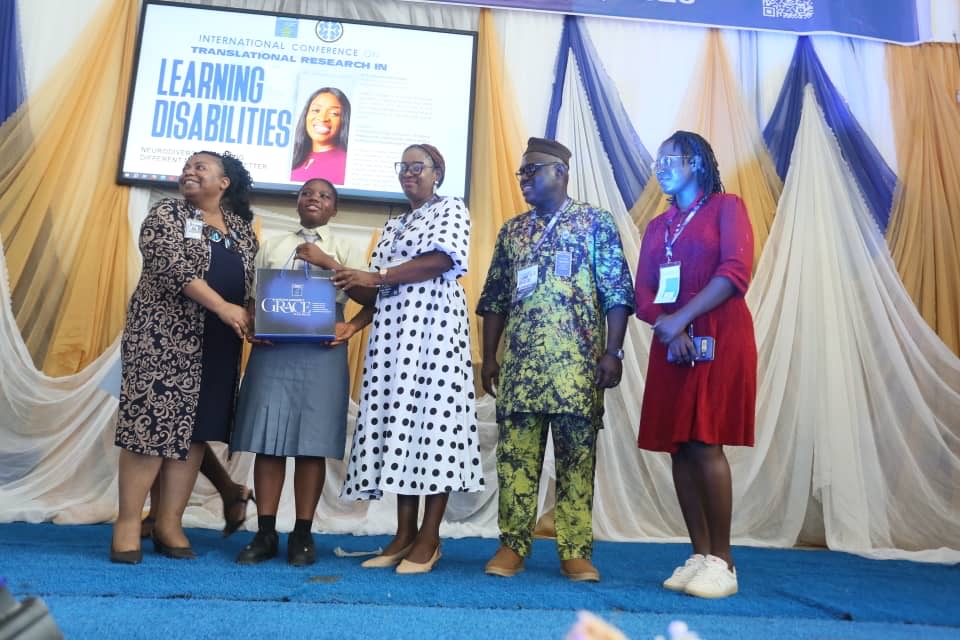


Classique Royal Academy, Ikenne, has emerged winner of the Babcock Annual High School Outreach and Debate Competition, held on Thursday as part of a three-day international conference on translational research in learning disabilities.

Isanbi Model College, Ilishan-Remo, finished second, while Transatlantic High School, Sagamu, came third in the competition, which featured 34 secondary schools from Ogun and Lagos states.
The debate, held under the motion, ‘Should research change the way we teach or learn?’, formed part of activities at the International Conference on Translational Research in Learning Disabilities.

Speaking at the conference before the debate, Professor Liziana Onuigbo of the University of Nigeria, Nsukka, said neurodivergence should not be viewed as a disease or deficit, but as a different way of experiencing and processing the world.
In her keynote paper, titled ‘Understanding Neurodiversity and Helping Different Minds Learn Better’, Onuigbo emphasised that neurodivergent learners possess unique strengths and abilities and require support, understanding and inclusion from teachers and their peers.
She urged students to become peer buddies to classmates who struggle with reading, English language or mathematics, encouraging them to offer academic support, remind them about examinations, build friendships, prevent isolation and report bullying.
The professor also encouraged students who suspect they may be neurodivergent to embrace their identities and recognise their worth, stressing that academic struggles do not define their abilities or potential.
“Don’t be quiet, accept yourself. You have value, you have worth, you are unique, you can achieve. If you notice that you are not doing well in your class, it does not mean you are not doing well,” she said.

Onuigbo cited examples of individuals with autism and attention deficit hyperactivity disorder (ADHD) who have achieved remarkable success, including at the Olympic level, noting that society must recognise and nurture the strengths of neurodivergent individuals.

She further noted that although teachers have received training on supporting learners with visual and hearing impairments, greater attention should also be paid to neurodivergent students, many of whom are in classrooms across the country.
Earlier, the President and Vice-Chancellor of Babcock University, Professor Afolarin Olutunde Ojewole, welcomed the participating students, describing the institution as a university committed to nurturing minds, hearts and hands.
He said Babcock University provides holistic support for students through academic, spiritual, social, family, health and other aspects of development, emphasising that the institution regards students as whole persons.
Ojewole added that moral development and character formation are as important as academic certificates, noting that the university prepares students not only for professional success but also for life, family responsibilities, citizenship and personal growth.
“Babcock is where your dreams will be nurtured and your minds will be guided and mentored,” he said.
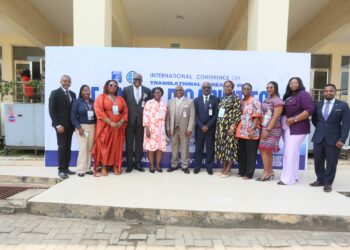
The international conference, organised by the Office of Research, Innovation and International Collaboration (RIIC), commenced on November 17 and brought together academics, clinicians, educators, policymakers, researchers and parents to explore practical approaches to supporting children with diverse learning needs.












 EduTimes Africa, a product of Education Times Africa, is a magazine publication that aims to lend its support to close the yawning gap in Africa's educational development.