

























































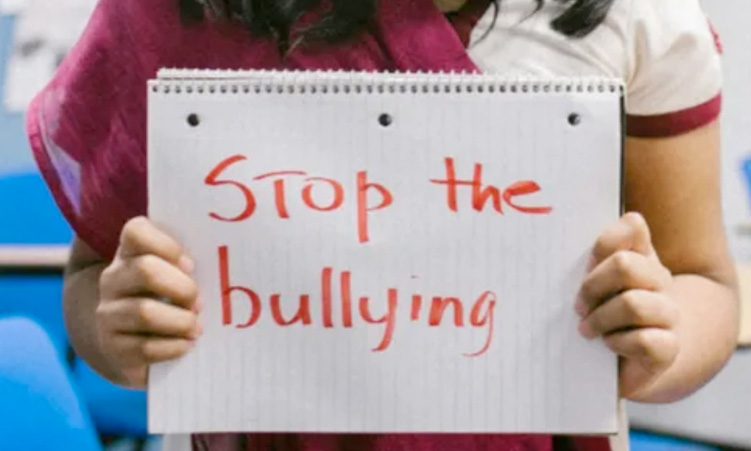


Bullying is repeated, intentional behavior that harms a student physically, emotionally, or socially. As a teacher, you are often the first line of defense—and your response can shape a child’s safety and confidence.
1. Recognize the Signs Early
Look out for students who are frequently isolated, anxious, suddenly quiet, or showing unexplained decline in performance. Also watch for students who dominate, mock, or intimidate others.

2. Create a Safe Classroom Environment
Set clear rules about respect and kindness from day one. Make it known that bullying will not be tolerated. Encourage inclusiveness and teamwork among students.
3. Act Immediately and Fairly
Do not ignore bullying, even if it seems minor. Address the behavior calmly but firmly. Separate students involved and avoid handling serious cases in front of others.

4. Encourage Open Communication
Let students know they can talk to you without fear. Some children may not speak up publicly, so provide private opportunities to share concerns.
5. Teach Empathy and Social Skills
Incorporate lessons on kindness, respect, and emotional intelligence. Role-playing and storytelling can help students understand the impact of their actions.
6. Document and Report
Keep records of incidents—dates, students involved, and actions taken. This helps in tracking patterns and supporting further intervention if needed.
7. Work with Parents and School Authorities
Communicate concerns early. Collaboration ensures consistent support for both the victim and the child displaying bullying behavior.
👉 Remember: A teacher’s awareness and quick action can stop bullying before it escalates. A safe classroom is not just about learning—it’s about protecting every child’s dignity.
















 EduTimes Africa, a product of Education Times Africa, is a magazine publication that aims to lend its support to close the yawning gap in Africa's educational development.