






















































The Head of Office and Representative of the UNESCO Office Abuja, Dr. Jean-Paul Ngome Abiaga, has reaffirmed the organisation’s commitment to deepening cultural cooperation and advancing gender equality in partnership with China and Nigeria.
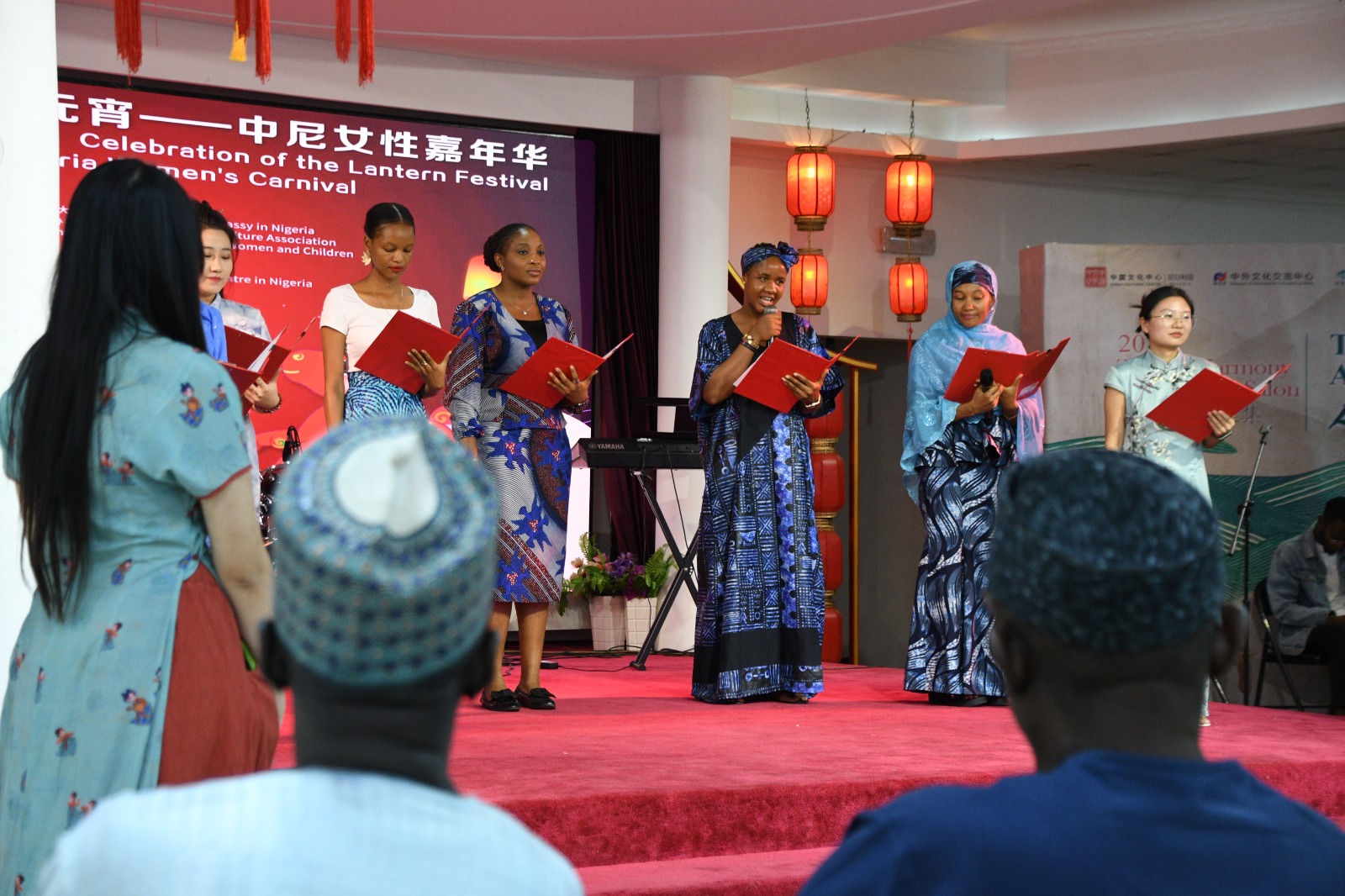
He spoke at the Lantern Festival celebration hosted by the Chinese Embassy in Abuja, marking the conclusion of the Lunar New Year festivities and highlighting growing collaboration between the two nations.
Addressing the Ambassador of China to Nigeria, diplomats, senior Nigerian government officials and distinguished guests, Dr. Abiaga described the event as “more than a festive gathering,” calling it a testament to the power of culture and education in building bridges between Nigeria and China.
“Today is a living testament to the power of culture and education to build bridges between two great nations — Nigeria and China — and to the enduring dialogue of civilizations that lies at the heart of UNESCO’s mandate,” he said.

The celebration featured concerts, exhibitions, calligraphy displays and cultural tastings, reflecting what the UNESCO chief described as genuine people-to-people exchange.
Focus on Women’s Empowerment
With International Women’s Day approaching, Dr. Abiaga placed strong emphasis on women’s leadership and development, noting that UNESCO’s two global priorities are Africa and Gender Equality.
He commended China’s strides in advancing women’s participation in higher education and leadership, particularly in science and technology, describing such progress as essential to national vitality and innovation.
In Nigeria, he praised the Federal Government’s Nigeria for Women Programme Scale-Up for expanding economic opportunities for women across communities.
He also applauded the leadership of Nigeria’s First Lady, Oluremi Tinubu, highlighting her “Flow with Confidence” initiative, which supports girls’ dignity and access to education.
“These efforts signal a strong national commitment to placing women at the centre of development and expanding their access to education, economic opportunity and leadership,” he said.
UNESCO–China Partnership in Nigeria
Dr. Abiaga stressed that collaboration between UNESCO and China in Nigeria holds significant potential, particularly in expanding access to education, advancing science and technology, and investing in human capital.
He noted that China’s experience in scaling education and innovation, combined with UNESCO’s mandate in education, culture, science and communication, creates opportunities for impactful partnerships within Nigeria.
“Let us move from celebration to collaboration, from shared values to shared action,” he urged.
Culture as a Bridge
According to the UNESCO Representative, cultural expressions such as music, art, storytelling and shared cuisine serve as bridges of understanding between peoples.
He said the Lantern Festival activities — including musical performances, photo exhibitions and traditional sweets — symbolised shared aspirations between women in Beijing and Abuja: dignity, opportunity, education for their children and hope for a better future.
“Today, we celebrate. Tomorrow, the work continues,” he concluded, calling for sustained efforts to expand girls’ education, increase women’s leadership and deepen Nigeria–China cooperation through culture and innovation.
The event ended on a note of solidarity and goodwill, reinforcing diplomatic ties between the two countries and underscoring UNESCO’s ongoing commitment to education, cultural dialogue and gender equality in Nigeria.
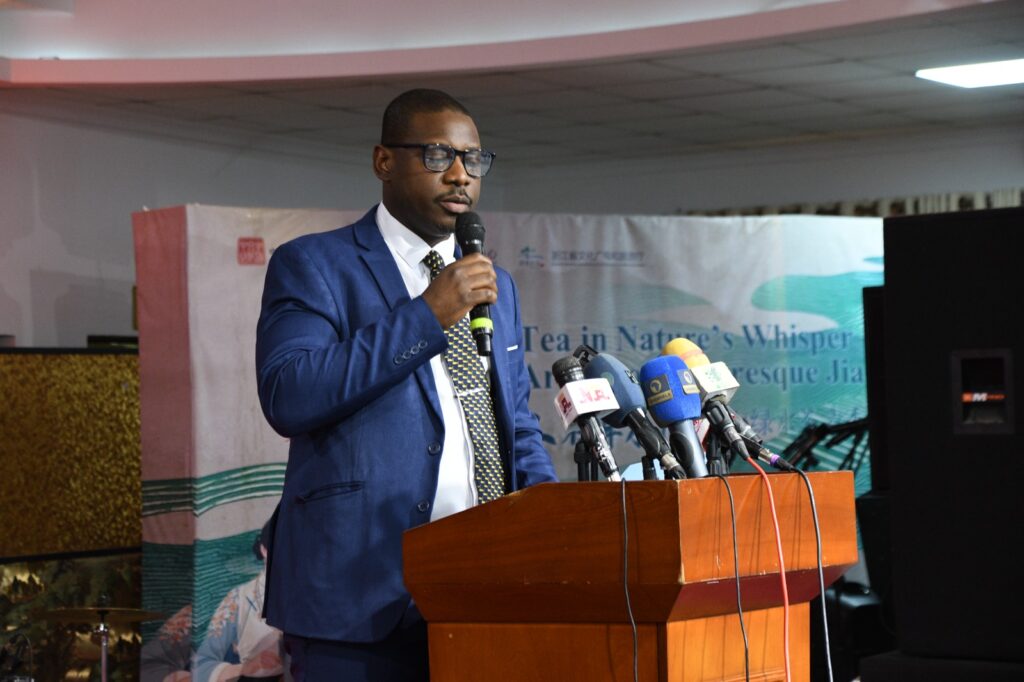
Head of Office and Representative
UNESCO Office Abuja
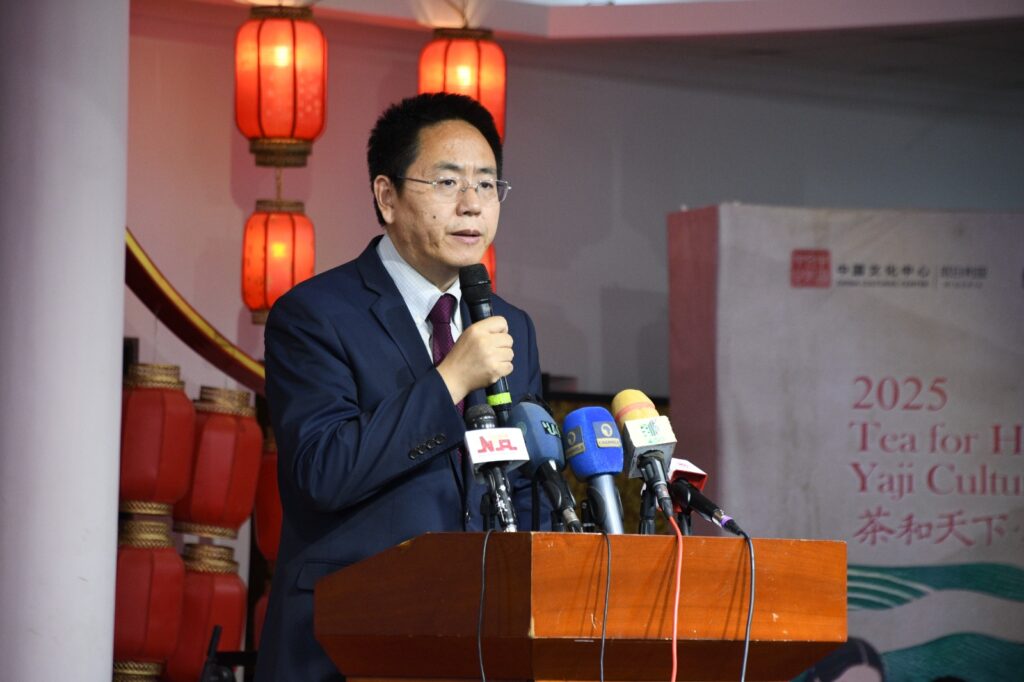
Director of CCCN













 EduTimes Africa, a product of Education Times Africa, is a magazine publication that aims to lend its support to close the yawning gap in Africa's educational development.