




























One mistake many students make is assuming that employers start paying attention to them after graduation.



The truth is that many employers are looking for more than a certificate. They want people who have demonstrated initiative, gained practical experience and developed useful skills before entering the job market.

The good news is that you don’t have to wait until graduation to start preparing.
1. Take Up Internship Opportunities

Internships remain one of the best ways to gain practical experience as a student.
If you can find an internship related to your field, that’s great. But even if you can’t, don’t sit idle. Your parents’ business, a relative’s shop or a small business in your community can also be a learning ground.
Pay attention to how products are bought and sold, how customers are handled, how invoices are prepared, how records are kept and how deliveries are managed. These experiences may seem small today, but they can teach valuable workplace skills that employers appreciate.
2. Solve a Problem for a Business Around You
Many students spend years studying without ever applying what they know to a real problem.
Look around you. Is there a business struggling with social media? Poor customer communication? Record keeping? Data management? Marketing?
Even if you’re not an expert yet, try to contribute. The experience of identifying a problem and helping to solve it gives you practical exposure and real examples you can discuss during job interviews.
Employers like candidates who can demonstrate impact, not just qualifications.

3. Build Useful Skills While You’re Still in School
The job market is becoming increasingly competitive, and academic qualifications alone may not be enough.
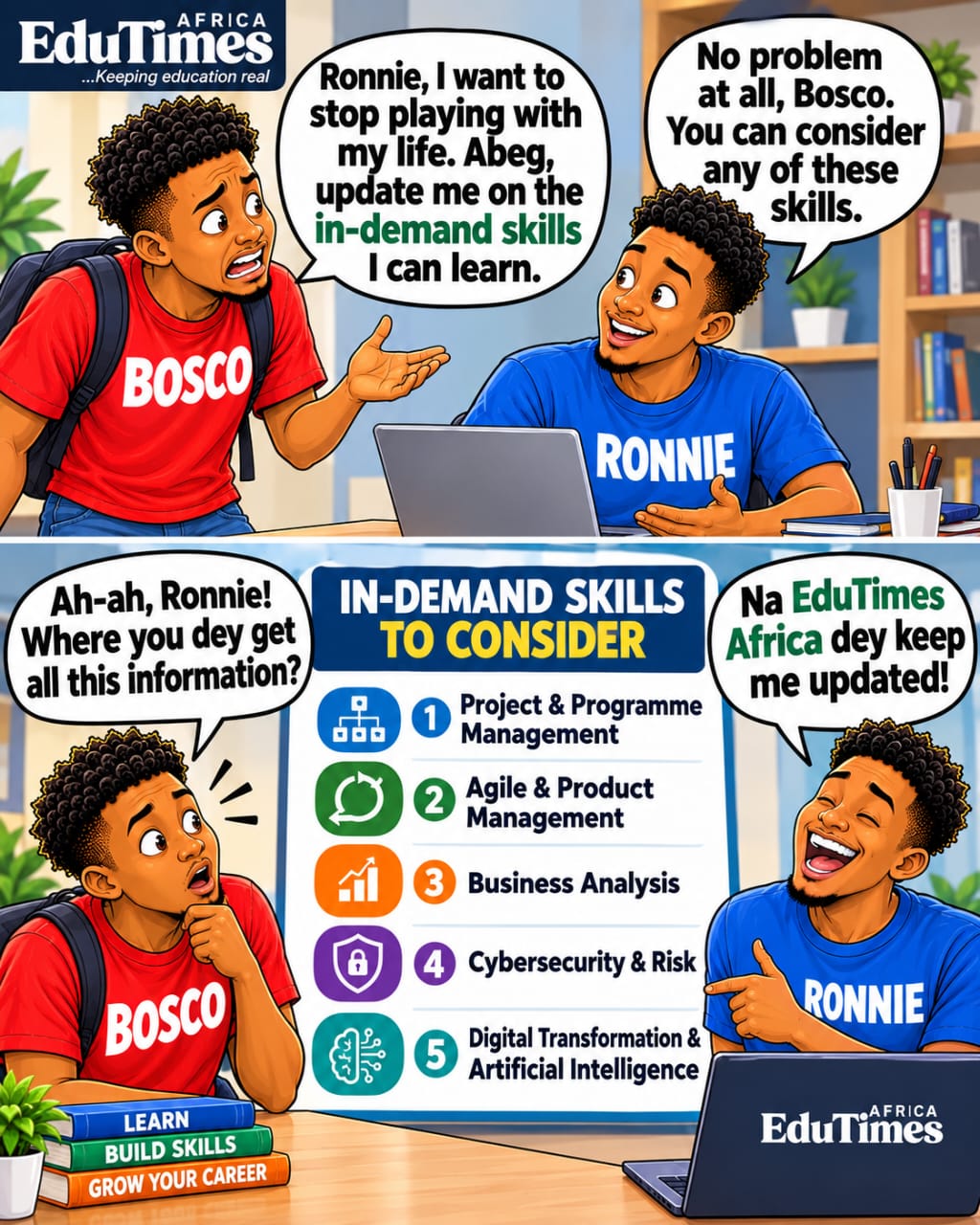
Use your time in school to learn skills that employers value. These could include digital skills, communication, project management, data analysis, graphic design, content creation, digital marketing or other skills related to your career interests.
The earlier you start learning and practising these skills, the stronger your profile becomes by the time you graduate.
Getting a degree is important, but preparing for life after graduation is equally important. Students who combine education with experience, problem-solving and practical skills often have a stronger advantage when opportunities begin to appear.














 EduTimes Africa, a product of Education Times Africa, is a magazine publication that aims to lend its support to close the yawning gap in Africa's educational development.