


























On March 6, 1957, Ghana made history as the first country in sub-Saharan Africa to gain independence from colonial rule. Here are key facts that explain the significance of that moment:



1. From the Gold Coast to Ghana

Before independence, Ghana was known as the Gold Coast, a British colony rich in gold, cocoa, and other resources under the control of the British Empire.
2. Leadership of Kwame Nkrumah

The independence movement was led by Kwame Nkrumah, a nationalist leader who championed self-rule, mass political mobilisation, and African unity.
3. Historic Independence Declaration
At midnight on March 6, 1957, Nkrumah declared:

> “At long last, the battle has ended! And thus, Ghana, your beloved country, is free forever.”
The announcement took place in Accra, the nation’s capital.
4. First in Sub-Saharan Africa
Ghana became the first sub-Saharan African country to achieve independence from European colonial rule in the 20th century.
5. Catalyst for African Independence
Ghana’s independence inspired liberation movements across the continent, encouraging countries such as Nigeria, Kenya, and Tanzania to intensify their struggles for self-rule.
6. Birth of a Pan-African Vision
Nkrumah believed Ghana’s freedom was meaningless unless the whole continent was free. He became a major advocate of Pan-Africanism, promoting unity among African nations.

7. A Symbol of African Pride
The independence of Ghana became a powerful symbol that colonial rule could be defeated and that African nations could govern themselves.
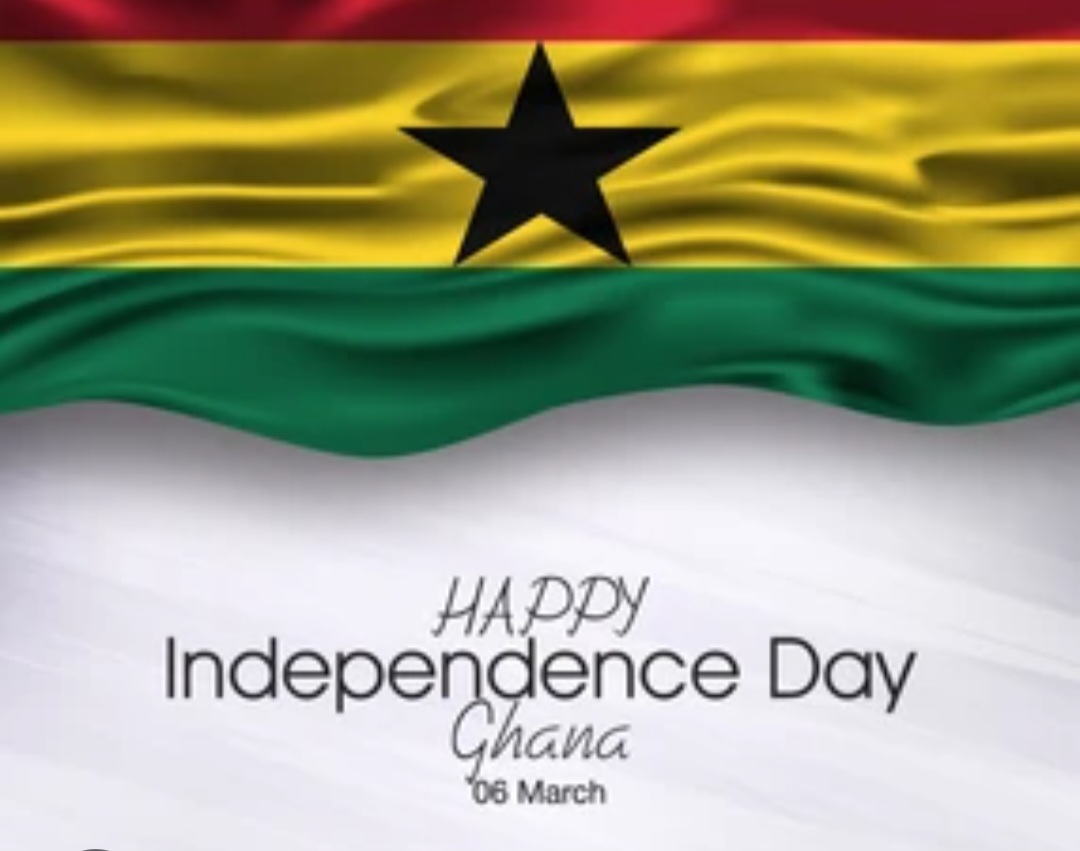
🇬🇭 Happy Independence Day, Ghana — a nation whose freedom helped ignite Africa’s march toward liberation. ✨













 EduTimes Africa, a product of Education Times Africa, is a magazine publication that aims to lend its support to close the yawning gap in Africa's educational development.