






















Classrooms across the Federal Capital Territory are coming back to life as teachers prepare to resume after days of industrial action.
The Nigeria Union of Teachers (FCT Wing) has suspended its strike, directing primary and secondary school teachers to return to duty on Monday, April 27.

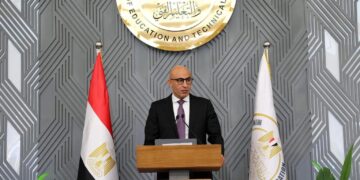
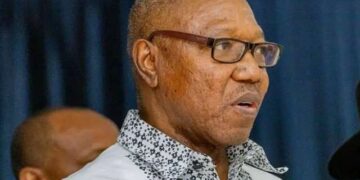
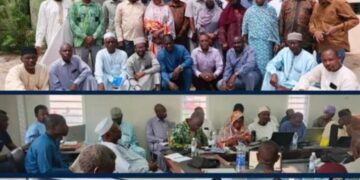
The decision was announced in Gwagwalada by the State Wing Executive Council Chairman, Abdullahi Shafa, following an emergency meeting to review the intervention of the FCT Minister, Nyesom Wike, in the dispute declared on April 20, 2026.
At the centre of the resolution is a financial commitment from the FCT administration.
According to Shafa, the minister approved a ₦5 billion monthly package to address teachers’ welfare and outstanding entitlements.

“The minister approved the release of ₦2 billion monthly from FCT Internally Generated Revenue (IGR), plus ₦3 billion from the 10 per cent IGR accruing to the Area Councils, to implement the 40 per cent peculiar allowance and settle outstanding entitlements of primary school teachers,” he said.
The agreement also includes plans to address promotion concerns.
Shafa said the minister had pledged to engage the FCT Civil Service Commission to remove the vacancy precondition for teacher promotions and review the 2024 promotion exercise.
Following the development, the union directed all affected teachers to resume work, while emphasising that no member should be victimised for participating in the strike.
He added that the union would reassess its position if the FCT administration fails to honour the agreement.

Shafa commended teachers for their solidarity throughout the strike and reaffirmed the council’s commitment to improving working conditions in the territory.
The suspension of the strike brings an end to disruptions that had affected school activities, with attention now shifting to the implementation of the agreed terms.
Credit: ThePunch









 EduTimes Africa, a product of Education Times Africa, is a magazine publication that aims to lend its support to close the yawning gap in Africa's educational development.