
























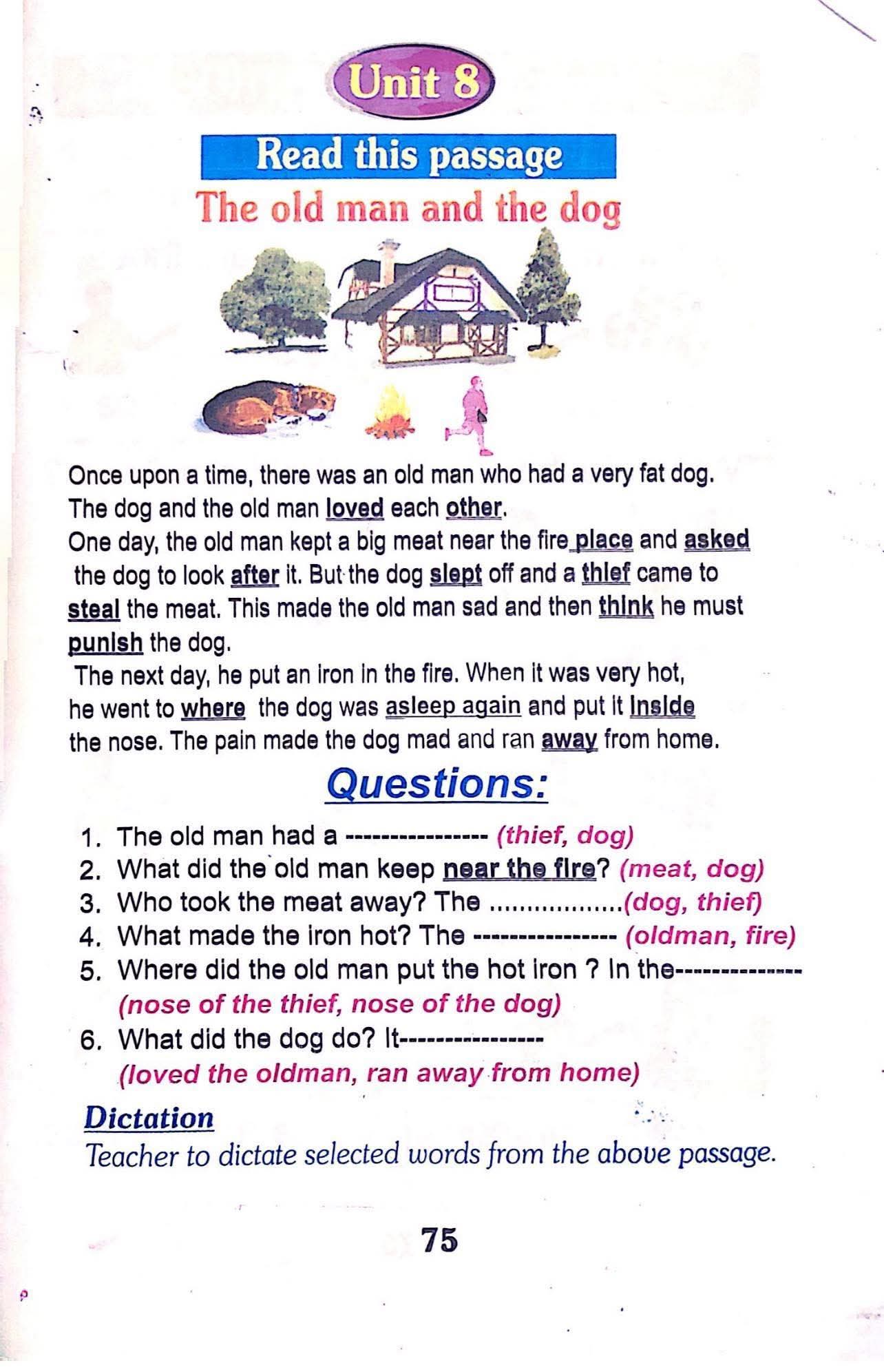


Feedback and alignment with the national curriculum are essential pillars of any effective education system. They ensure that what is taught in classrooms meets approved standards, reflects societal values, and supports age-appropriate learning. In early childhood education especially, continuous review of teaching materials is necessary.



The decision to escalate a disagreement over a nursery school textbook to the police raises serious concerns, not just about this specific case, but about the broader implications for education, free expression, and professional accountability within the sector.

Mrs Udoka Mary Queen, an educator, is now facing a police invitation from the Zone 2 Police Command, Onikan, Lagos, over issues tied to a learning material. While she has chosen to honour the invitation as a law-abiding citizen, the fundamental question remains: should this matter have reached the police at all?
Education thrives on dialogue, critique, and continuous improvement. When a textbook becomes controversial, the appropriate response within a functional system is review, not repression. Stakeholders such as school administrators, curriculum experts, education boards, and parents all have roles to play in assessing content and ensuring it aligns with pedagogical standards and societal expectations.

Criminalising such disputes risks setting a dangerous precedent. It signals to educators that questioning or reviewing instructional materials could attract law enforcement attention. That is not how progressive education systems evolve.

As shared by human rights lawyer Inibehe Effiong, who amplified this case, the legal position of the educator suggests that honouring the police invitation is done out of respect for the institution, not an admission of wrongdoing or the existence of any criminal offence. This framing reinforces the concern that the matter may have been unnecessarily escalated.
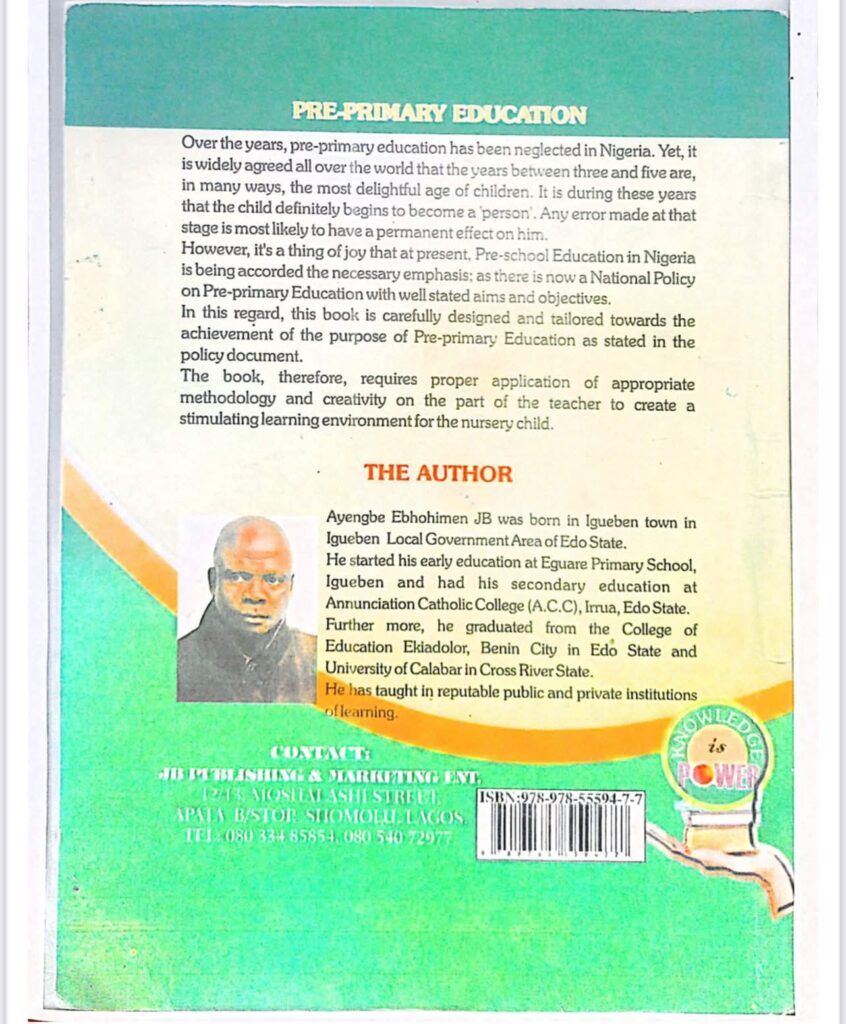
Equally important is the role of authors and content creators. If the author of the textbook initiated police involvement, it raises ethical questions about the use of institutional power in resolving professional disagreements. Intellectual engagement should not be replaced with intimidation.
The Nigeria Police Force, particularly a formation like Zone 2, is tasked with maintaining law and order. Its involvement in what appears to be an academic or professional dispute must be clearly justified. Anything less risks blurring the line between civil engagement and criminal intervention.

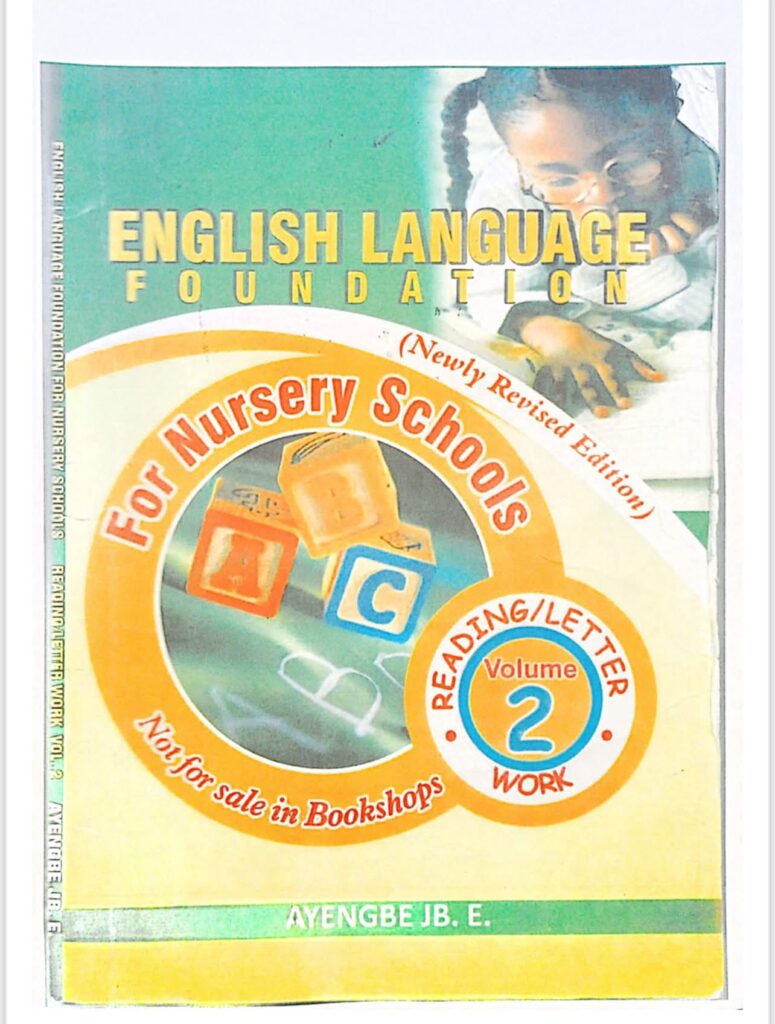
As this situation unfolds, there is a need for professionalism, restraint, and respect for fundamental rights. More importantly, it is a moment for reflection within the education sector on how disagreement is handled without silencing critical voices.
If educators begin to feel unsafe engaging critically with educational content, the real loss will not be individual. It will be the integrity of the education system itself.














 EduTimes Africa, a product of Education Times Africa, is a magazine publication that aims to lend its support to close the yawning gap in Africa's educational development.