























African universities are increasingly looking beyond their borders for ideas on how to prepare students for a rapidly changing world.



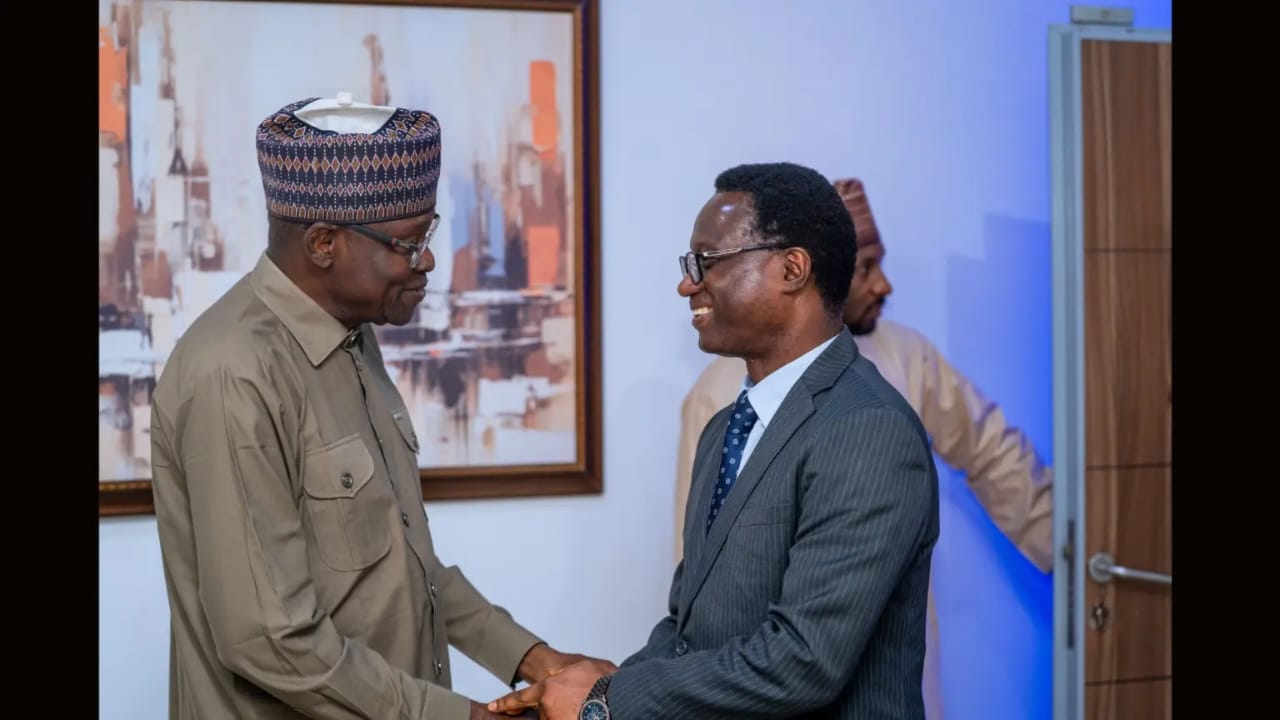
That was the focus when the Gambian Minister of Higher Education, Research, Science and Technology, Hon. Prof. Pierre Gomez, visited Nile University of Nigeria as part of a study tour coordinated by the National Universities Commission (NUC).

Nile University was one of the Nigerian universities selected to host the delegation, giving the Gambian officials an opportunity to examine its approach to academic delivery, innovation, digital learning, entrepreneurship and student development.
The delegation was led by Prof. Gomez and included the Ministry’s Permanent Secretary, Ms Isatou Auber, while the NUC was represented by Engr. Suleiman Adebayo, Deputy Director and Team Lead, University-Industry Linkage Division, alongside other officials.

A major part of the visit was a tour of Nile University’s facilities and learning environment.
The delegation visited the University’s Virtual Reality room, which supports experiential learning in areas such as business, leadership and decision-making.
The tour also offered insights into the University’s approach to digital learning, executive education, innovation, entrepreneurship and student support.
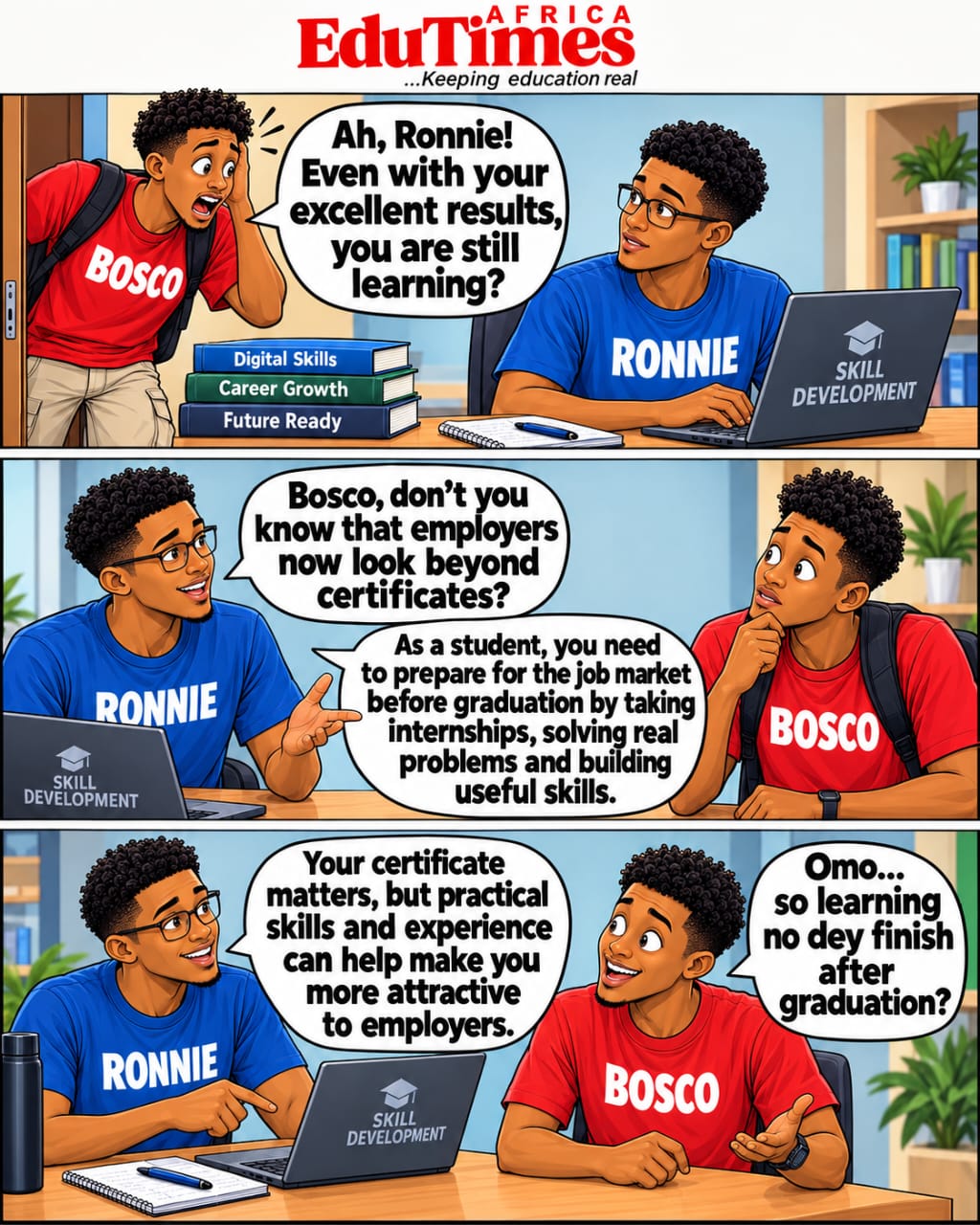
For students, these developments point to a wider shift in higher education, where learning is increasingly expected to go beyond lectures and examinations.
The visit also highlighted the longstanding educational relationship between Nigeria and The Gambia.
According to Prof. Gomez, Nigerian academics have played a significant role in the development of The Gambia’s university system, with many serving as faculty members in Gambian universities.
He also noted that the founding Vice-Chancellor of the University of The Gambia was Nigerian.
“It is always good to come back to our roots because Nigeria has been a trusted partner in our educational journey for many years,” Gomez said.
He explained that the study tour was designed to help the Gambian delegation identify institutional practices that could provide useful lessons as the country continues to develop its higher education sector.
Welcoming the delegation, Nile University’s Vice-Chancellor, Professor Dilli Dogo, FNAMed, DFMC, described the visit as an opportunity to strengthen collaboration among African higher education institutions.
He said universities need to look beyond individual institutions and countries by exchanging knowledge and building partnerships that can contribute to Africa’s development.
“We are honoured that Nile University was selected as one of the institutions to host this distinguished delegation,” Dogo said.
Before departing, the Gambian delegation sought cooperation and collaboration with Nigeria’s education sector and indicated that it would forward workable proposals for Memoranda of Understanding (MoUs).
The proposed partnerships are expected to support the newly established University of Science and Innovation and Technology in The Gambia.
The delegation also expressed the belief that Nile University has the capacity to support a workable partnership with the University of The Gambia.
The growing exchange between African universities could create opportunities for students beyond traditional classroom learning.
Academic partnerships can support knowledge exchange, research collaboration, technology transfer, skills development and potentially greater exposure to opportunities across the continent.

As African countries work to build universities that can respond to the demands of technology, innovation and the modern workplace, collaboration may become one of the continent’s most important educational tools.
The Nile University visit is therefore more than a study tour. It reflects a growing recognition that African universities can learn from one another—and that stronger connections between them could shape the future of higher education and the students it











 EduTimes Africa, a product of Education Times Africa, is a magazine publication that aims to lend its support to close the yawning gap in Africa's educational development.