

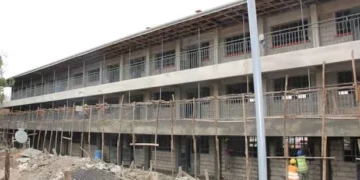





















































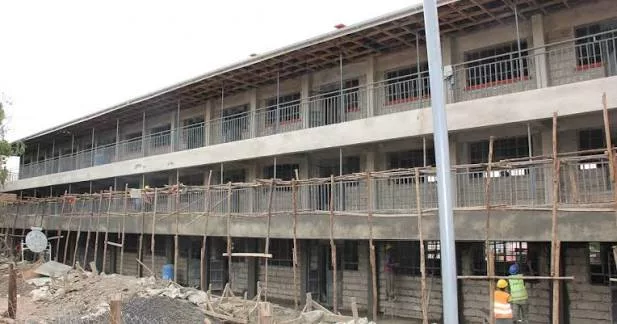


Kenya’s transition to a new education system is facing a major infrastructure challenge, with a Sh12.2 billion primary school improvement project launched more than a decade ago only about 30 per cent complete.



The development has raised concerns about the country’s preparedness to provide adequate learning facilities as schools continue to adjust to the demands of the Competency-Based Curriculum (CBC).


A report published on September 13, 2026, by The Star revealed that the Primary School Infrastructure Improvement Project, launched in 2010, remains substantially incomplete despite the huge investment committed to improving learning facilities across the country.
The prolonged delay comes at a time when Kenya is implementing significant changes in its education system, creating additional pressure on schools to provide suitable classrooms, laboratories, sanitation facilities and other infrastructure required for effective learning.

The infrastructure gap is particularly significant because curriculum reforms cannot achieve their intended objectives when schools lack the physical facilities needed to support teaching and learning.

The situation also highlights a wider challenge facing education systems across Africa, where governments are under pressure to expand access to quality education while dealing with inadequate infrastructure, rising enrolment and limited public resources.
Kenya has invested heavily in education reforms in recent years, including the transition from the 8-4-4 system to the Competency-Based Curriculum. The reforms have placed greater emphasis on practical skills, competencies and learner-centred approaches.
However, the success of such reforms depends not only on curriculum design but also on the availability of adequate classrooms, learning materials, laboratories, sanitation facilities and trained teachers.
The prolonged delay in completing the infrastructure project therefore raises questions about project implementation, public spending and accountability within the education sector.
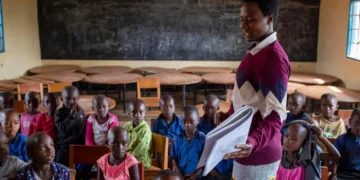
For learners, inadequate infrastructure can translate into overcrowded classrooms, limited access to essential learning facilities and an environment that makes it harder for teachers to deliver the curriculum effectively.
The development also reinforces the need for African governments to treat education infrastructure as a long-term investment rather than a series of isolated construction projects.
As Kenya continues to implement its new education system, policymakers will need to address the infrastructure deficit alongside teacher shortages, learning resources and other challenges affecting the quality of education.
The Kenyan experience offers a broader lesson for Africa: education reform cannot succeed through curriculum changes alone. Sustainable reform requires the classrooms, facilities, teachers and funding needed to turn policy into meaningful learning outcomes.













 EduTimes Africa, a product of Education Times Africa, is a magazine publication that aims to lend its support to close the yawning gap in Africa's educational development.