


























Nigeria’s Federal Government has introduced a National Textbook Ranking System (NTRS), requiring textbooks used in public primary and secondary schools to undergo national evaluation and ranking before approval for classroom use. While the policy is intended to improve instructional quality and eliminate substandard learning materials, concerns over implementation, affordability and access are raising questions about its potential impact on schools, publishers, teachers and parents.
The policy, approved by the Federal Government and announced in August 2026, took effect from September. Under the framework, textbooks must first satisfy the licensing requirements of the Nigerian Educational Research and Development Council (NERDC) before undergoing a further assessment and ranking exercise.

Read aslso: FME Releases Final 2026–2028 Ranked, Approved Textbooks for Nigerian Schools

To qualify for approval, textbooks must score at least 70 per cent and meet prescribed academic, pedagogical, technical and quality assurance standards. The government has also limited the number of approved textbooks for each subject to between six and ten, depending on curriculum requirements.

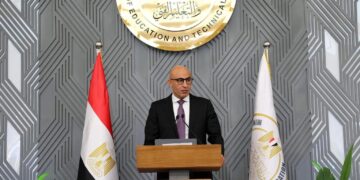
The Minister of Education, Dr Maruf Tunji Alausa, said the initiative would improve the quality of instructional materials, strengthen curriculum implementation and ensure that learners have access to credible and relevant textbooks.
However, the policy has encountered resistance from sections of the publishing industry. The Nigerian Publishers Association (NPA) has questioned the need for an additional ranking process, arguing that the existing NERDC evaluation and approval framework should be strengthened rather than replaced with another layer of assessment.
The association has also raised concerns about the cost of compliance, the limited number of publishers that may benefit from the new arrangement and the possibility of textbook shortages if only a few titles are approved for nationwide use. It has argued that the country’s large student population and diverse educational needs require a more inclusive approach to textbook selection.
The disagreement has moved beyond industry consultations. In August 2026, the NPA instituted a legal action against the Federal Government and NERDC, challenging the legal authority for aspects of the ranking framework, including the requirement for previously approved textbooks to undergo another assessment and the fees attached to the process.
For schools and parents, the central concern is whether the new system will improve textbook quality without making learning materials more difficult to obtain or afford. If the number of approved titles is insufficient to meet demand, schools in rural and underserved communities could face additional procurement difficulties. Differences in purchasing power between private and public schools could also affect access to approved materials.
There is equally a need to consider teachers, who depend on suitable instructional materials to deliver the curriculum. Restricting textbook choices without providing adequate guidance, teacher orientation and access to approved titles could complicate lesson preparation, particularly in schools where resources are already limited.
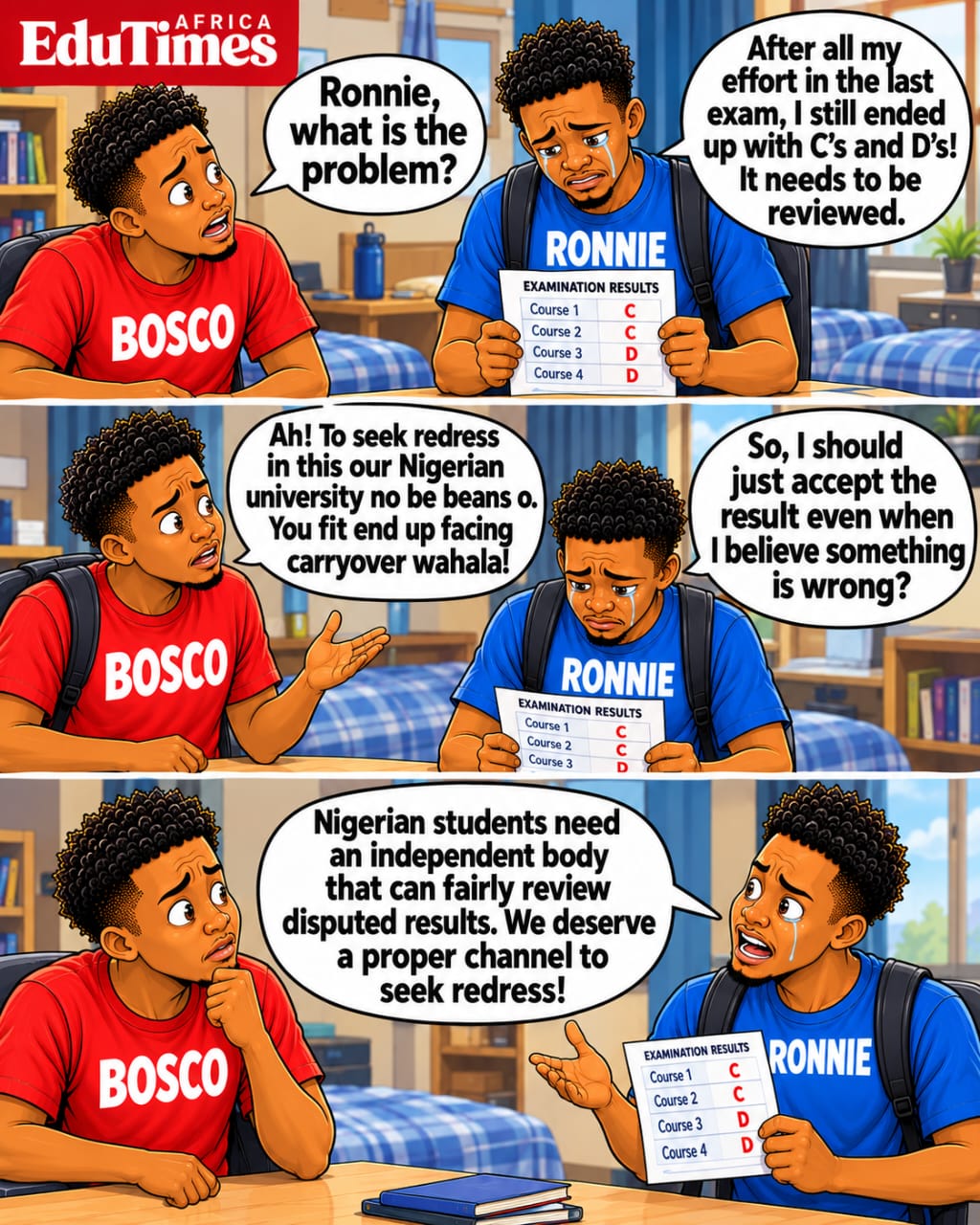
To address these concerns, the Federal Government and NERDC need to establish a transparent assessment process that allows publishers, teachers, school proprietors, state education authorities and parents to understand the criteria for approval. The government should also publish the assessment results, explain why textbooks are selected or rejected and provide a clear mechanism for reviewing disputed decisions.
A reasonable transition period is equally important. Schools need sufficient time to replace previously approved materials, while publishers require predictable timelines to revise, print and distribute new editions. The government could also explore partnerships with state governments and education stakeholders to support the distribution of approved textbooks to public schools, especially in underserved communities.
Importantly, textbook quality should not be measured only by the ranking score. The government must establish mechanisms for monitoring how approved materials improve classroom teaching, student comprehension and learning outcomes. Regular feedback from teachers and learners would help identify weaknesses and guide future reviews.
However, its success will depend on whether the government can balance quality control with affordability, availability, transparency and the realities of the country’s diverse education system.
For millions of Nigerian learners, the ultimate test of the policy will not be how many textbooks pass the ranking exercise, but whether every child can access the right learning materials without additional financial or administrative barriers.












 EduTimes Africa, a product of Education Times Africa, is a magazine publication that aims to lend its support to close the yawning gap in Africa's educational development.
