























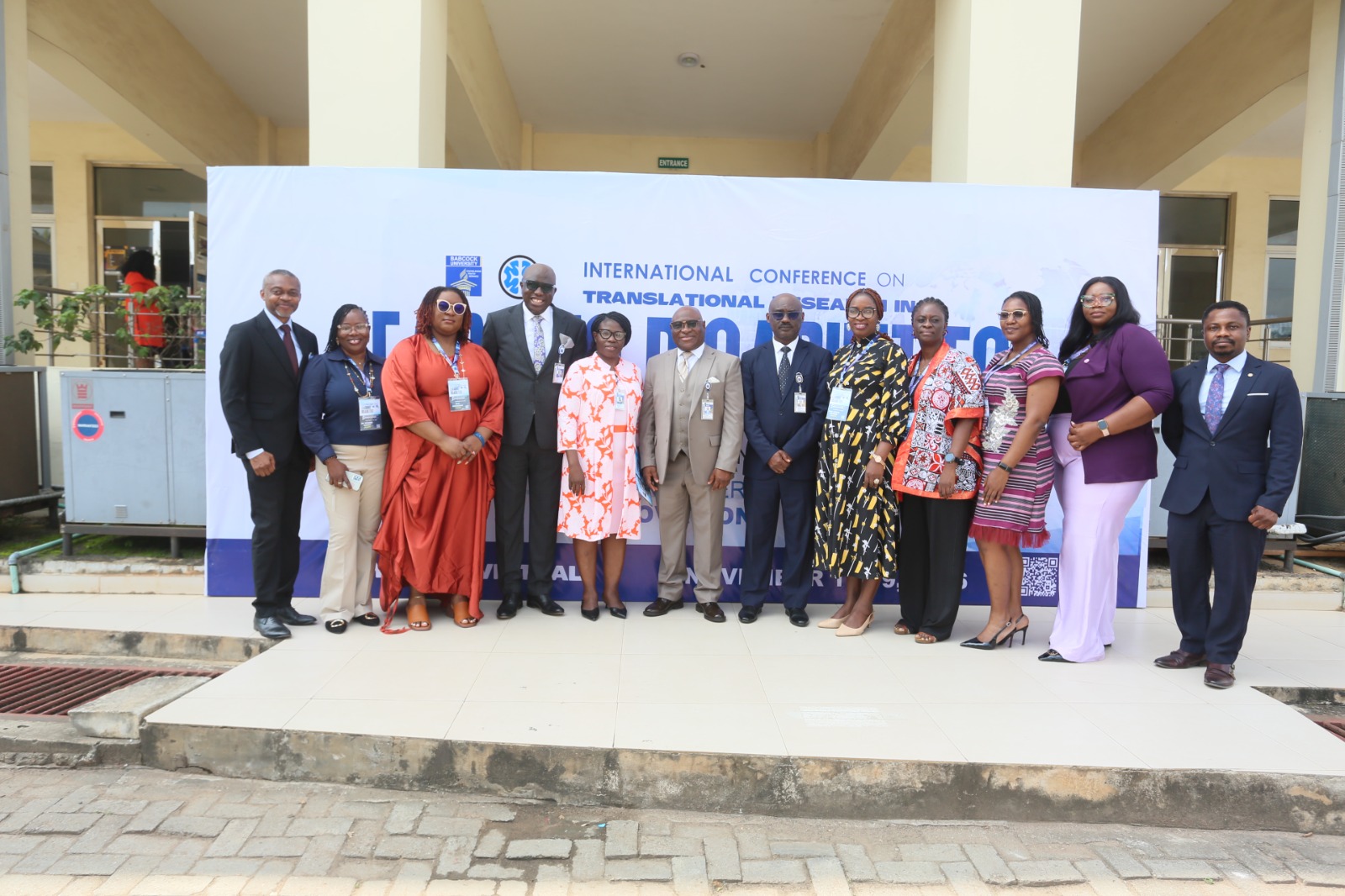


Babcock University has strengthened its advocacy for inclusive education through a two-day international conference focused on improving learning outcomes for children with learning disabilities and developmental differences.

The conference, tagged the International Conference on Translational Research in Learning Disabilities (ICTR-LD 2026), brought together academics, clinicians, educators, policymakers, researchers and parents to explore practical ways of supporting children with diverse learning needs.
Held at the university in Ilishan-Remo, Ogun State, the conference was organised by the Office of Research, Innovation and International Collaboration (RICC) under the theme, “Neurodiversity: Helping Different Minds Learn Better”.

Discussions centred on translating research and clinical knowledge into practical classroom interventions through improved teacher training, early identification of learning difficulties, stronger collaboration between health and education professionals, and structured support systems.
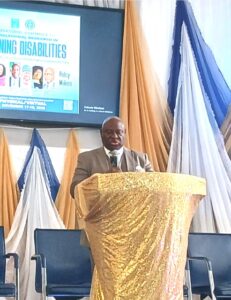
Speaking at the conference, Babcock University’s President and Vice-Chancellor, Professor Afolarin Ojewole, described inclusive education as both a moral responsibility and a turning point in educational practice.
He noted that children with dyslexia, dyscalculia and other learning difficulties were often misunderstood, with their challenges mistaken for laziness, while their abilities and potential remained overlooked by rigid classroom systems.
Ojewole emphasised that effective education should prioritise the needs of individual learners rather than define them by their disabilities. He added that the conference was designed to turn research findings into practical classroom strategies that promote understanding, empathy and equal opportunities.
In a goodwill message, the Executive Secretary of the Nigerian Educational Research and Development Council (NERDC), Professor Salisu Shehu, represented by Babcock faculty member Dr Ezii Adam, reaffirmed the importance of education to sustainable development and expressed the Council’s willingness to explore partnerships in educational research, curriculum innovation, digital learning and capacity development.

One of the keynote speakers, Dr Yetunde Adeniyi, a Senior Lecturer in the Department of Psychiatry at the University of Ibadan, highlighted the disconnect between clinicians and teachers in identifying and supporting children with learning disabilities. She called for stronger collaboration between the health and education sectors.
Similarly, Counselor Ifunaya Ozoike, Head of School and Centre Coordinator of the Royal School of Educational Therapy Foundation, Abuja, stressed the importance of positive parental attitudes towards children with learning difficulties.

A psychiatrist at the University College Hospital, Ibadan, Dr Tolulope Bella-Awusah, also urged teachers to understand that behavioural difficulties could be linked to underlying developmental, emotional or medical conditions rather than simply being treated as acts of indiscipline.
Other contributors, including the Chief Medical Director of Babcock University Teaching Hospital, Professor Moji Ariyo; educational therapist Dr Badewa Adejugbe-Williams; and Professor Fhumulani Mulaudzi of the University of Pretoria, advocated inclusive teaching practices, stronger community support networks and the application of Ubuntu values in creating supportive learning environments.
Ariyo stressed the importance of combining structured care, healthy lifestyle practices and spiritual support to help students overcome challenges and reach their potential.
Speaking on behalf of the conference host, Associate Vice-President Professor Foluso Ojewole, the Deputy Director of RICC, Dr Chinedu Anokwuru, said the conference was established to move discussions on learning disabilities beyond diagnosis and awareness towards practical solutions that could improve classroom experiences.
He explained that bringing together educators, clinicians, researchers, policymakers and parents would help establish a collaborative framework for creating learning environments where neurodiversity is recognised, valued and supported.
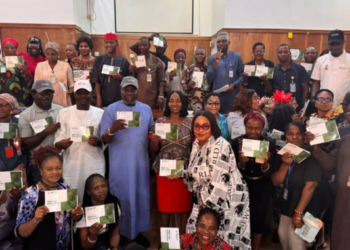
A major outcome of the conference was the introduction of the Babcock Translational Toolkit, designed to provide teachers with classroom intervention strategies and structured referral recommendations.
The toolkit is expected to help teachers identify struggling learners early and connect them with appropriate support services.
Through the conference and other research initiatives, Babcock University reaffirmed its commitment to promoting inclusive and equitable education, ensuring that children with different learning needs have opportunities to learn, thrive and achieve their full potential.











 EduTimes Africa, a product of Education Times Africa, is a magazine publication that aims to lend its support to close the yawning gap in Africa's educational development.