

























Babcock University has commenced its 2026 Physiology Week celebration with a secondary school outreach and an academic symposium aimed at promoting awareness of the importance of physiology in human health and wellness.
The programme, organised by the university’s Physiology Students Association in collaboration with The Physiology Society, UK, held at the Babcock University Activity Hall and the Benjamin Carson College building.

The celebration is themed, “The Heart-Brain Connection: Physiology for Sustainable Health and Wellness.”

Speaking during an outreach to SS2 and SS3 students of Babcock University High School at the Fountain of Grace Chapel Hall on Wednesday, a lecturer in the Department of Physiology, Dr Patrick Abolarin, explained the relationship between the heart and the brain.

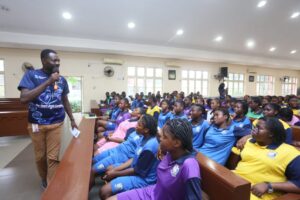

He described the heart as a muscular organ responsible for pumping blood throughout the body and supplying organs with oxygen and nutrients, while the brain serves as the body’s control and coordination centre, enabling thinking, learning, memory, movement, emotional responses and decision-making.
According to Abolarin, the heart and brain maintain constant communication, with the brain influencing heart rate and information from the heart and circulatory system being transmitted to the brain.
He illustrated this connection with the body’s response to fear, explaining that when a person becomes frightened, the brain activates the stress response, causing the heart to beat faster, breathing to increase and sweating to occur.
He added that these physiological changes prepare the body to respond to stressful situations, while relaxation gradually restores the body to a calmer state.
The lecturer also encouraged students to adopt healthy lifestyle habits to protect their heart and brain. These include eating a balanced diet rich in fruits, vegetables, protein and energy-giving foods, limiting highly processed foods, drinking adequate water, exercising regularly and getting sufficient sleep.
Highlighting the career opportunities available in the discipline, Abolarin said graduates of physiology could work in teaching and academia, biomedical research, neuroscience, sports and exercise science, pharmaceutical and biotechnology industries, public health and health education.

He further noted that studying physiology could provide a foundation for additional professional training and careers in medicine and other related health disciplines.
The 2026 Physiology Week celebration will continue on Thursday with a health awareness outreach and fitness check at the Babcock University Cafeteria Arena.













 EduTimes Africa, a product of Education Times Africa, is a magazine publication that aims to lend its support to close the yawning gap in Africa's educational development.