
























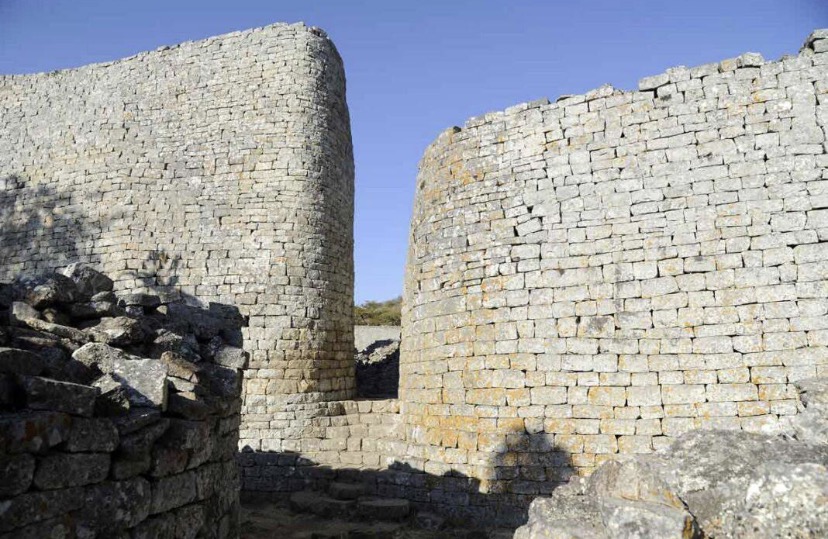


Great Zimbabwe is one of Africa’s most remarkable archaeological sites, renowned for its massive stone walls, sophisticated architecture and evidence of a thriving civilisation that played an important role in regional and international trade.
Located in present-day Zimbabwe, the ancient city offers a glimpse into the political, economic and cultural achievements of pre-colonial African societies. Here are 10 things everyone should know about Great Zimbabwe.

1. It was built by ancestors of the Shona people
Great Zimbabwe was built by African communities associated with the ancestors of the Shona people. Its architecture and archaeological remains provide evidence of the ingenuity and sophisticated craftsmanship of African societies long before colonial rule.

2. It flourished between the 11th and 15th centuries
Great Zimbabwe developed over several centuries and flourished between approximately the 11th and 15th centuries. During this period, it became a major settlement and an important centre of political, economic and cultural activity in southern Africa.
3. It was a centre of political power
Great Zimbabwe was the centre of a powerful kingdom that controlled parts of the Zimbabwean plateau. By the 14th century, the city had become an important seat of political authority and economic influence in the region.
4. Its stone walls were built without mortar
One of Great Zimbabwe’s most remarkable features is its dry-stone architecture. Builders carefully arranged granite blocks without mortar, using precise stone placement to construct walls that have survived for centuries. The structures demonstrate the architectural skills and engineering knowledge of their builders.
5. It has three major architectural sections
The archaeological site is commonly divided into three major sections: the Hill Complex, the Great Enclosure and the Valley Ruins. Each section offers insights into the city’s architecture, social organisation and historical activities.

6. The Great Enclosure is one of its most remarkable structures
The Great Enclosure is among the most impressive structures at the site. It features massive stone walls, an inner passage and a distinctive conical tower. Its construction and design reflect the architectural sophistication of the civilisation that built Great Zimbabwe.
7. It was connected to international trade networks
Archaeological discoveries at Great Zimbabwe include Chinese and Persian ceramics, glass beads and other materials associated with long-distance trade. These findings indicate that the city was connected to trading networks that extended towards the Indian Ocean and beyond.
8. Gold and other commodities contributed to its prosperity
Great Zimbabwe’s economy was supported by agriculture, livestock, metalworking and trade. Gold and ivory were among the commodities associated with the wider regional and international trading networks in which the city participated, contributing to its economic importance.

9. The Zimbabwe Birds are important national symbols
Soapstone bird sculptures were discovered at Great Zimbabwe. Known as the Zimbabwe Birds, these sculptures have become important national symbols and feature prominently in Zimbabwe’s national identity, including on the country’s flag.
10. It is a UNESCO World Heritage Site
Great Zimbabwe was designated a UNESCO World Heritage Site in 1986 in recognition of its architectural achievements, archaeological significance and historical importance. It remains one of the most important heritage sites in Africa and a testament to the achievements of an ancient African civilisation.
Did You Know? The name Zimbabwe is associated with the Shona expression meaning ‘houses of stone’, reflecting the remarkable stone structures found at the ancient site.












 EduTimes Africa, a product of Education Times Africa, is a magazine publication that aims to lend its support to close the yawning gap in Africa's educational development.