





















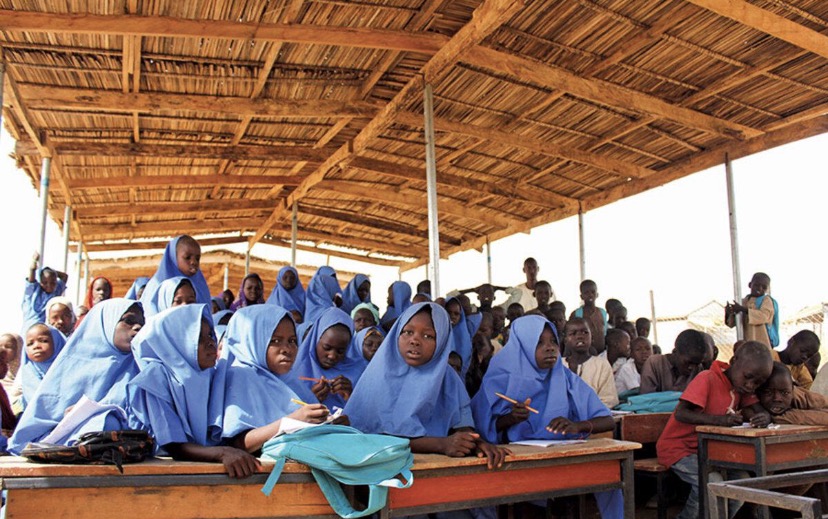


School enrolment in Borno State has nearly doubled over the past eight years, but close to 800,000 children remain out of school, highlighting the lingering effects of insurgency, displacement and poverty on education in the North-east.
According to figures from the state government, enrolment in public and private schools increased from 766,551 learners during the 2017–2018 academic session to 1,418,279 in 2025.

The increase comes after more than a decade of Boko Haram insurgency, which disrupted educational activities across communities in Borno, forcing schools to close, teachers to flee and thousands of families to abandon their homes.
The conflict, which began in 2009, severely affected the state’s education system, with school infrastructure destroyed, learning interrupted and children exposed to prolonged periods without formal education.


Governor Babagana Umara Zulum’s administration has intensified efforts to rebuild the state’s education infrastructure, including the construction of new schools and the rehabilitation of damaged classrooms and facilities.
The governor said earlier that his administration had constructed 104 new schools and rehabilitated 2,931 classrooms and related facilities as part of efforts to restore access to education in communities affected by the crisis.

At the height of the insurgency, Borno was estimated to have about 2.2 million out-of-school children. Government figures now put the number at fewer than 800,000, suggesting progress in efforts to bring children back into classrooms.
The rise in enrolment has also been attributed to renewed confidence among parents, improved school infrastructure and interventions aimed at encouraging children to return to school after years of disruption.
However, the progress has not eliminated the challenges facing the state’s education sector. Many children, particularly those in rural and conflict-affected communities, continue to face barriers to education, including insecurity, poverty, displacement and limited access to functioning schools.
Beyond getting children back into classrooms, education stakeholders say sustained attention is needed to improve attendance, learning outcomes, teacher availability and support for pupils who have missed years of formal education.
While the increase in enrolment represents a significant step in rebuilding Borno’s education system, the remaining number of out-of-school children underscores the scale of the challenge confronting the state in ensuring that every child has access to quality and uninterrupted education.











 EduTimes Africa, a product of Education Times Africa, is a magazine publication that aims to lend its support to close the yawning gap in Africa's educational development.