



























Ambrose Alli University (AAU), Ekpoma, Edo State, has cancelled the final-year examination of more than 300 Microbiology students over alleged violations of its rules on post-examination celebrations, a decision that could delay their graduation by an academic session.
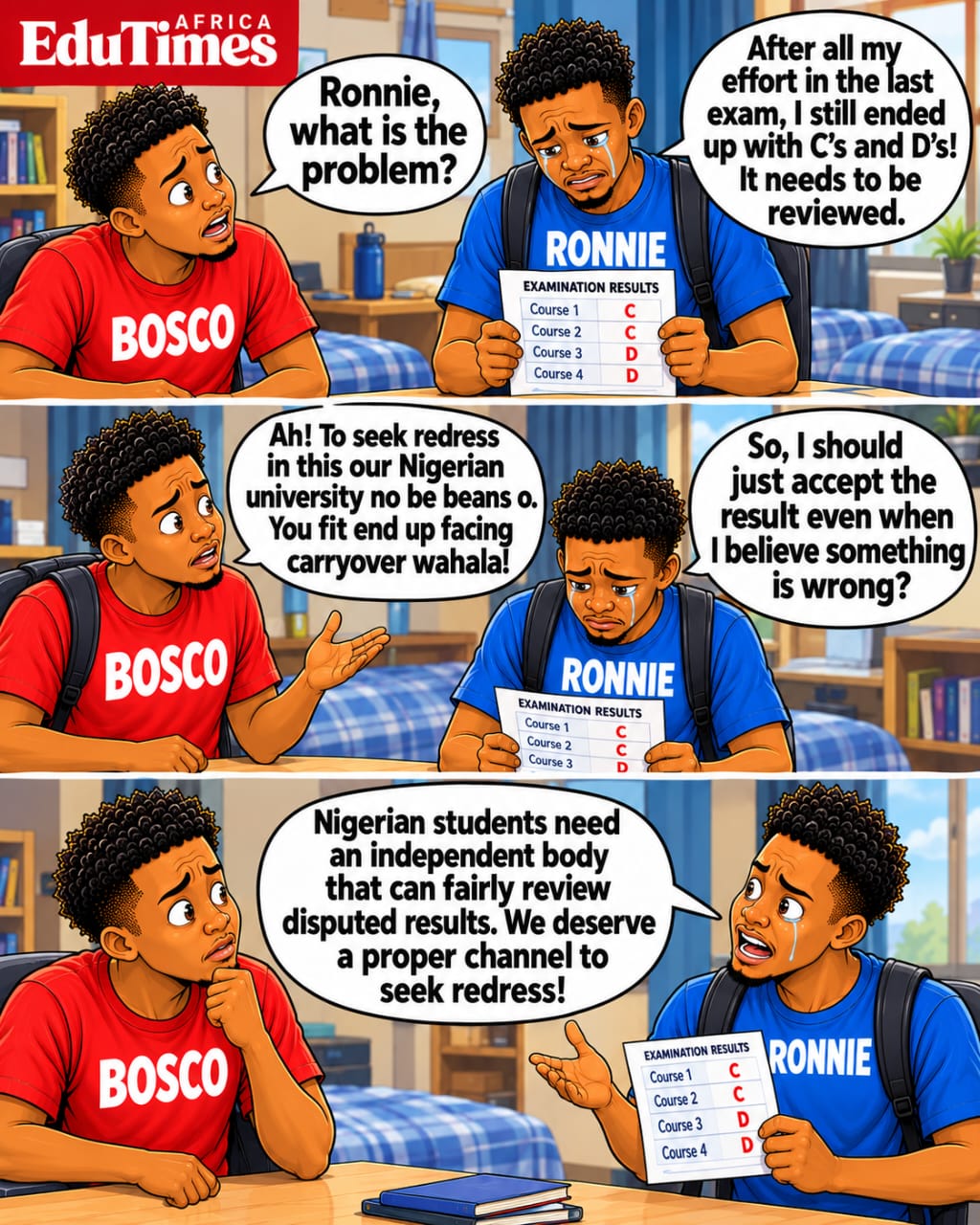
The affected students have been directed to retake the MCB 414 examination in the 2026/2027 academic session after paying the required school fees. The decision has attracted criticism, with students and other members of the public questioning whether the punishment is proportionate and whether it unfairly affects those who did not participate in the alleged misconduct.

In a letter dated 15 October 2026, the university’s Registrar, through the Senate Services Division, informed the Head of the Department of Microbiology that the examination had been cancelled following the Senate’s approval at its 335th regular meeting on 23 September.
Titled “Cancellation of MCB 414 Examination”, the letter stated that the Senate ratified the Vice-Chancellor’s approval to cancel the examination because final-year students in the department had violated the institution’s existing rule against wild jubilation.

The memo, signed by F.O. Omoigui, Deputy Registrar (Senate), on behalf of the Registrar, also directed the affected students to retake the examination in the next academic session after paying their school fees.
NANS President Criticises Decision
The President of the National Association of Nigerian Students (NANS), Akinteye Babatunde, criticised the university’s decision after sharing a copy of the letter on Facebook.
Describing the punishment as excessive, Mr Babatunde questioned the decision to subject more than 300 students to an additional academic year, saying it was unacceptable.
The decision has also generated debate over the fairness of collective punishment, particularly for students who may not have participated in the celebrations that reportedly violated the university’s rules.
One commenter, Philip Omon, questioned whether the institution had considered students who did not take part in the alleged misconduct, arguing that disciplinary measures should distinguish between those responsible and those who were not involved.
Another commenter, Mohammed Garbadeen, described the sanction as extreme, suggesting that while the examination could be cancelled, the students should be allowed to retake it immediately rather than wait until the next academic session.
He also questioned the decision by students to celebrate before the release of their examination results, noting that completing a final paper does not necessarily mean a student has passed all required courses.
University Defends Sanction
The university’s spokesperson, Mike Aladenika, defended the decision, saying the affected students violated an existing rule introduced to prevent disorderly celebrations after final examinations.
According to him, the university introduced the regulation about three years ago following incidents involving reckless celebrations, traffic congestion and accidents. He said some students had previously hired vehicles, climbed onto them and driven recklessly along roads outside the campus, disrupting public movement.
Mr Aladenika explained that the institution subsequently resolved that examinations of departments whose students engaged in wild celebrations after their final papers would be cancelled.

He added that students had been repeatedly warned about the regulation and its consequences but proceeded with the celebrations despite the warnings.
A lecturer at the university, who requested anonymity because he was not authorised to speak publicly, also confirmed that the students allegedly engaged in celebrations that caused traffic disruption, with some reportedly involved in accidents.
Universities Tighten Rules on Sign-Out Celebrations
The controversy comes amid growing efforts by tertiary institutions in Nigeria to regulate post-examination celebrations, commonly known as sign-out or sign-off ceremonies.
The celebrations often involve final-year students signing one another’s shirts, taking photographs and organising gatherings after completing their examinations. However, some university authorities have raised concerns about disorderly conduct, reckless driving, disruption of academic activities and security risks associated with the events.
In August 2025, Nnamdi Azikiwe University, Awka, Anambra State, announced an indefinite ban on sign-off ceremonies following concerns about violence, disruption of university activities and security threats. The institution warned that students who violated the directive could face disciplinary action, including rustication.
Similarly, Akwa Ibom State College of Education, Afaha Nsit, prohibited sign-out celebrations in July, warning that students who disobeyed the directive risked being denied graduation clearance. The decision followed a resolution by the Akwa Ibom State House of Assembly urging educational institutions to prohibit unruly and unregulated celebrations.
While universities have defended restrictions on such activities on the grounds of safety and public order, the action taken by AAU has renewed debate about the proportionality of disciplinary measures and the need to protect students who may not have been involved in the alleged violations.
The development highlights the challenge facing tertiary institutions in enforcing campus regulations while ensuring that disciplinary decisions are fair, proportionate and based on individual responsibility.












 EduTimes Africa, a product of Education Times Africa, is a magazine publication that aims to lend its support to close the yawning gap in Africa's educational development.