























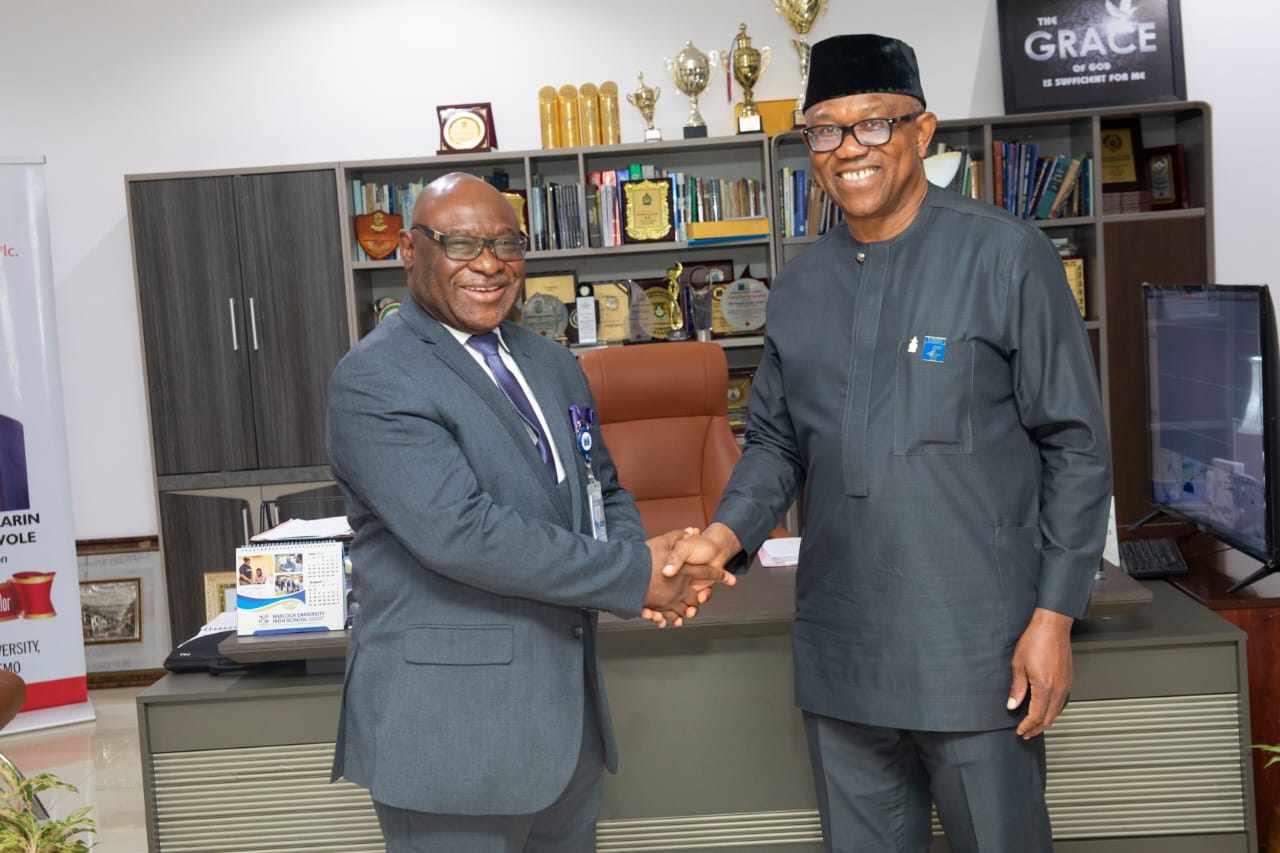


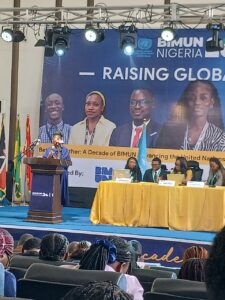
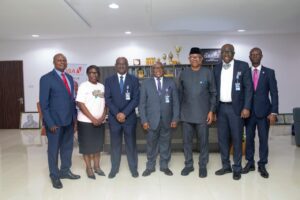
Babcock University has marked the 10th anniversary of the Babcock International Model United Nations (BIMUN), with former Anambra State Governor, Peter Obi, urging young people to take the lead in promoting peace, accountable leadership and sustainable development.



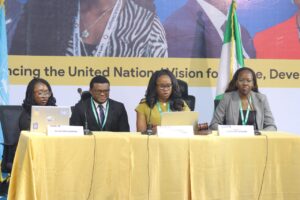
The milestone event, held at the university’s campus in Ilishan-Remo, Ogun State, attracted more than 450 delegates from 22 countries under the theme, “Better Together: A Decade of BIMUN Advancing the United Nations’ Vision for Peace, Development and Human Rights.”

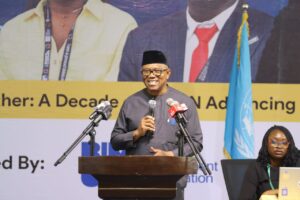
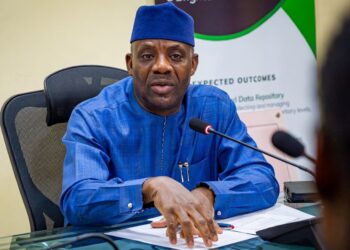
Delivering the keynote address, Obi described education as one of the strongest tools for fostering unity and sustainable development, encouraging participants to become leaders who prioritise service above personal interests.
“Leaders must learn to listen. Leadership is not about speeches, but impact—how people feel. We must work together as a family to stop abuses of human rights and ensure development reaches everybody,” he said.

Obi challenged the delegates to embrace integrity, accountability and collaboration as they prepare to take on leadership responsibilities in their respective countries.
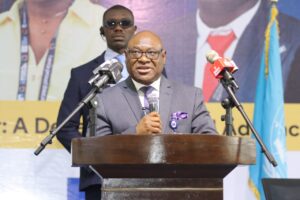
Earlier, the President/Vice-Chancellor of Babcock University, Prof. Afolarin Ojewole, officially declared the conference open, describing BIMUN as a platform that has consistently nurtured young leaders while promoting peace-building and sustainable development over the past decade.
He urged participants to seize the opportunity to become bridge-builders in an increasingly divided world.
“Every generation has its defining moments. I believe this is yours. Build bridges where others erect barriers. Leadership is not measured by the volume of one’s voice, but by the quality of vision, strength of character, and willingness to serve,” Ojewole said.
Representing the United Nations Resident Coordinator in Nigeria, Peace and Development Officer, Ms. Kehinde Osotimehin, said today’s global challenges—including conflict, climate change, poverty, inequality and misinformation—require collective action rather than isolated efforts.
She reminded the delegates that they are “not just leaders of tomorrow, but leaders of today,” urging them to return to their communities with the values of dialogue, cooperation and mutual respect.
Osotimehin also referenced United Nations Security Council Resolution 2250 on Youth, Peace and Security, noting that young people have a vital role to play in advancing peace and sustainable development.
“The future of peace will be shaped here at Babcock by young people who choose cooperation over conflict. Argue with passion. Negotiate with respect. The true measure of diplomacy is not who wins the debate, but what the world gains from it,” she said.
Reflecting on BIMUN’s journey over the last decade, the conference’s founder and strategist, Samuel Chiemela, revealed that the initiative has produced more than 6,450 alumni from 21 countries, many of whom now serve in government, civil society organisations and international institutions.

According to him, the conference has remained committed to equipping young Africans with practical diplomatic, negotiation and leadership skills through simulations of United Nations processes.

“Our goal for BIMUN 2026 is to provide delegates with a serious and structured environment where they learn how diplomacy actually works—how positions are researched, how consensus is negotiated and how policy is developed under pressure,” Chiemela said.
He added that this year’s conference, led by Assembly President Oluomachukwu Okoli, brought together participants from across 21 countries to deliberate on pressing global issues using committee structures similar to those of the United Nations.
Established as Nigeria’s first private university-organised Model United Nations conference, BIMUN has, over the past decade, provided a platform for thousands of young Africans to develop leadership, diplomacy and conflict-resolution skills while preparing them to contribute meaningfully to global peace, human rights and sustainable development.
Photos












 EduTimes Africa, a product of Education Times Africa, is a magazine publication that aims to lend its support to close the yawning gap in Africa's educational development.