
























Chad has completed the revision of its primary school curricula, marking a significant step in the country’s efforts to improve foundational learning and strengthen the quality of basic education.

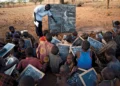
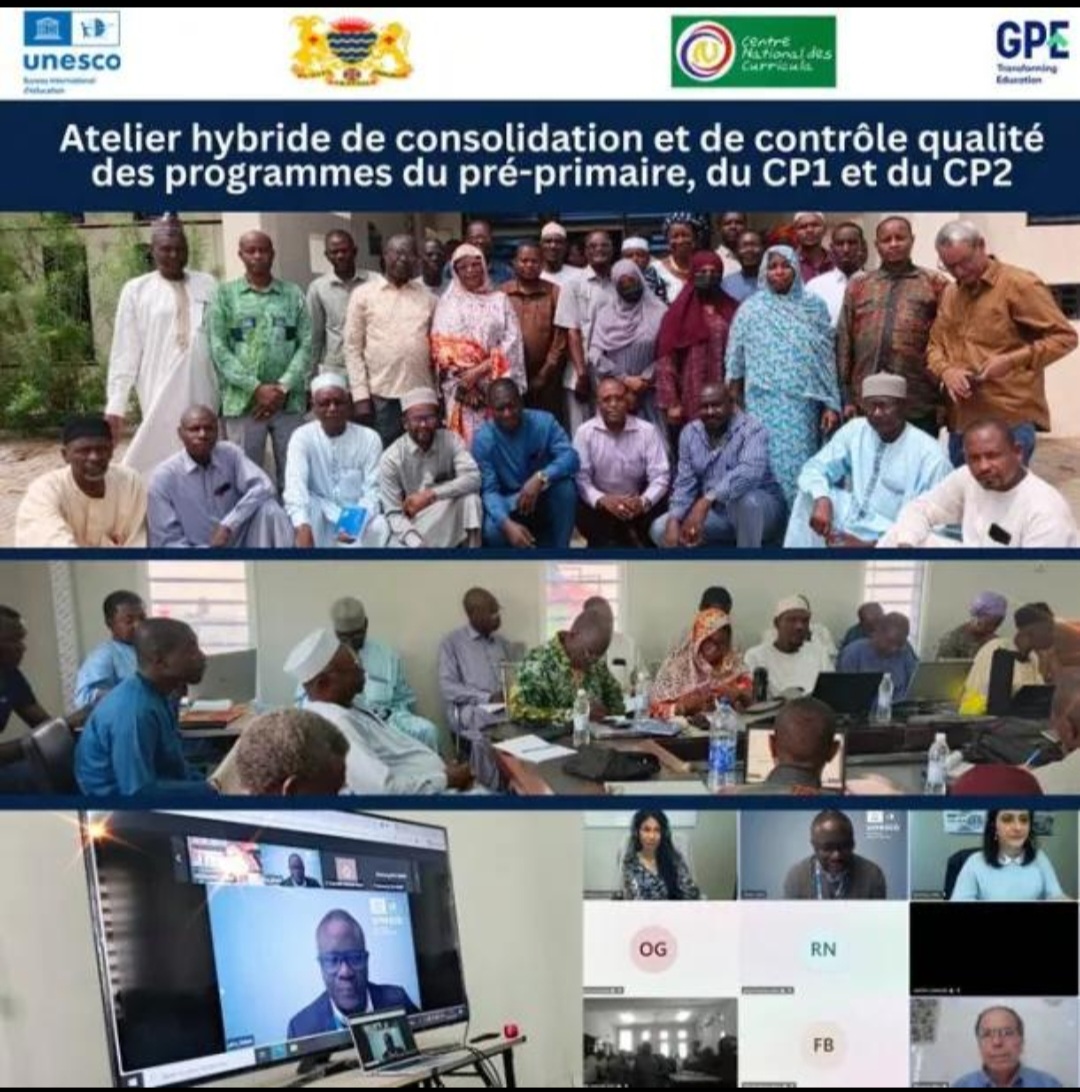
The development followed a validation workshop for the curricula covering CM1 and CM2, the upper levels of Chad’s primary education system. The workshop was held in N’Djamena and brought together education stakeholders to review the proposed programmes.

According to the United Nations Educational, Scientific and Cultural Organisation’s (UNESCO) International Bureau of Education, the exercise completes the rewriting of curricula across all levels of primary education in the country.
The review covered learning content, expected competencies, teaching methods and assessment procedures. Participants also examined how the curricula align with Chad’s National Curriculum Orientation Framework and competency-based approach, while reflecting the country’s educational needs.


The workshop was organised in collaboration with Chad’s National Curriculum Centre and UNESCO’s office in N’Djamena. UNESCO’s International Bureau of Education provided technical support, while the Global Partnership for Education provided financial assistance.
The exercise builds on earlier curriculum development work covering pre-primary education and the lower levels of primary school.
Following the workshop, stakeholders finalised the CM1 and CM2 curricula and developed guidelines for implementation. They also identified indicators for monitoring and evaluating the pilot phase.

The reform is part of Chad’s Programme for the Refoundation of the Chadian School, which seeks to strengthen foundational learning and make education more responsive to pupils’ needs.
UNESCO said its technical support was intended to help the Chadian authorities improve the national education system and advance access to quality education in line with Sustainable Development Goal 4.










 EduTimes Africa, a product of Education Times Africa, is a magazine publication that aims to lend its support to close the yawning gap in Africa's educational development.
